
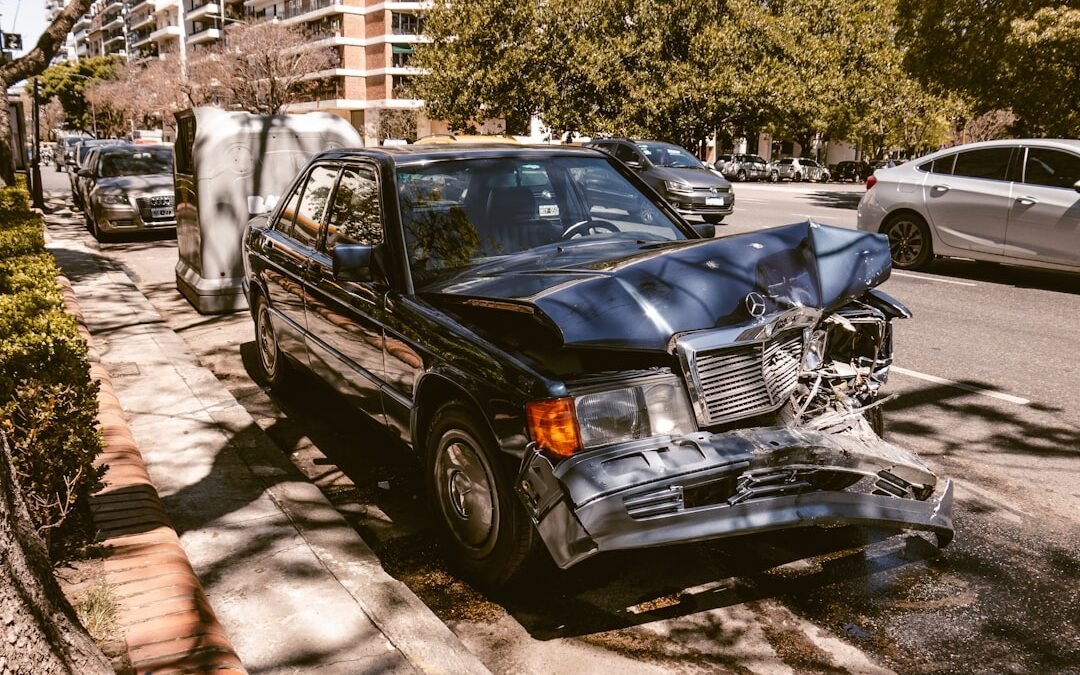
In recent years, ride-sharing has transformed the way people commute, offering a convenient alternative to traditional taxi services. As a driver for platforms like Uber or Ola, you are part of a rapidly growing industry that has reshaped urban transportation. The appeal of ride-sharing lies in its flexibility; you can choose your hours, work as much or as little as you want, and connect with passengers from diverse backgrounds.
However, this newfound freedom comes with responsibilities, particularly regarding safety and insurance. As a ride-sharing driver, you must navigate a unique landscape that blends personal and commercial driving. While you may use your vehicle for personal errands, the moment you accept a ride request, your status shifts to that of a commercial driver.
This distinction is crucial because it affects your insurance needs and legal obligations. Understanding the nuances of ride-sharing is essential for ensuring that you are adequately protected while on the road.
Key Takeaways
- Ride-sharing involves using a mobile app to connect passengers with drivers for on-demand transportation services.
- Commercial coverage is important for ride-sharing drivers to protect themselves, their passengers, and their vehicles.
- Ola and Uber have specific requirements for drivers, including age, licensing, and vehicle standards.
- Types of commercial coverage include liability, collision, comprehensive, uninsured/underinsured motorist, and personal injury protection.
- Understanding coverage limits and finding the right insurance provider are crucial for ride-sharing drivers to ensure they have adequate protection.
The Importance of Commercial Coverage
When you drive for a ride-sharing service, your personal auto insurance policy may not provide adequate protection. This is where commercial coverage becomes vital. Personal auto insurance is designed for typical driving scenarios, such as commuting to work or running errands.
However, when you transport passengers for a fee, your risk profile changes significantly. Commercial coverage is tailored to address these heightened risks, ensuring that you are protected in the event of an accident or other incidents. Having commercial coverage not only safeguards your financial interests but also complies with the legal requirements set forth by ride-sharing companies and local regulations.
Many platforms mandate that drivers carry specific types of insurance to maintain their status as active drivers. Without the appropriate coverage, you could face severe financial repercussions if an accident occurs while you are on duty. Therefore, understanding and obtaining commercial coverage is not just a smart choice; it is a necessity for anyone serious about driving for a ride-sharing service.
Ola and Uber Driver Requirements

Both Ola and Uber have established specific requirements for their drivers to ensure safety and reliability for passengers. As a prospective driver, you must meet these criteria before hitting the road. Generally, these requirements include having a valid driver’s license, being of a certain age (usually at least 21), and possessing a vehicle that meets the company’s standards for safety and comfort.
Additionally, both companies conduct background checks to verify your driving history and criminal record. Beyond these basic requirements, both Ola and Uber emphasize the importance of maintaining a clean and well-maintained vehicle. This not only enhances the passenger experience but also reflects positively on you as a driver.
Regular maintenance checks and cleanliness can lead to better ratings from passengers, which can ultimately increase your earnings. Understanding these requirements is crucial for anyone looking to join the ranks of ride-sharing drivers, as they set the foundation for a successful driving experience.
Types of Commercial Coverage
When it comes to commercial coverage for ride-sharing drivers, there are several types to consider. Each type serves a different purpose and offers varying levels of protection. Understanding these options will help you make informed decisions about your insurance needs.
The primary types of commercial coverage include liability coverage, collision coverage, comprehensive coverage, uninsured/underinsured motorist coverage, and personal injury protection. Liability coverage is often the most critical component of any commercial policy. It protects you in the event that you are found responsible for causing an accident that results in injury or property damage to others.
Collision coverage helps pay for repairs to your vehicle after an accident, regardless of who is at fault. Comprehensive coverage goes beyond accidents to cover non-collision-related incidents such as theft or natural disasters. Uninsured/underinsured motorist coverage protects you if you are involved in an accident with a driver who lacks sufficient insurance.
Lastly, personal injury protection covers medical expenses for you and your passengers in the event of an accident. Each type of coverage plays a vital role in ensuring that you are adequately protected while driving for ride-sharing services.
Liability Coverage
Liability coverage is perhaps the most crucial aspect of your commercial insurance policy as a ride-sharing driver. This type of coverage protects you financially if you are found responsible for causing an accident that injures another person or damages their property. In many jurisdictions, having liability coverage is not just advisable; it is legally required for anyone operating a vehicle for commercial purposes.
The amount of liability coverage you need can vary based on local laws and regulations, as well as the requirements set by ride-sharing companies like Uber and Ola. Typically, these companies require drivers to carry a minimum level of liability insurance to ensure that both drivers and passengers are protected in case of an accident. However, it is often wise to consider higher limits than the minimum required to provide yourself with additional peace of mind.
Accidents can lead to significant financial burdens, including medical bills and property damage costs, so having adequate liability coverage is essential.
Collision Coverage
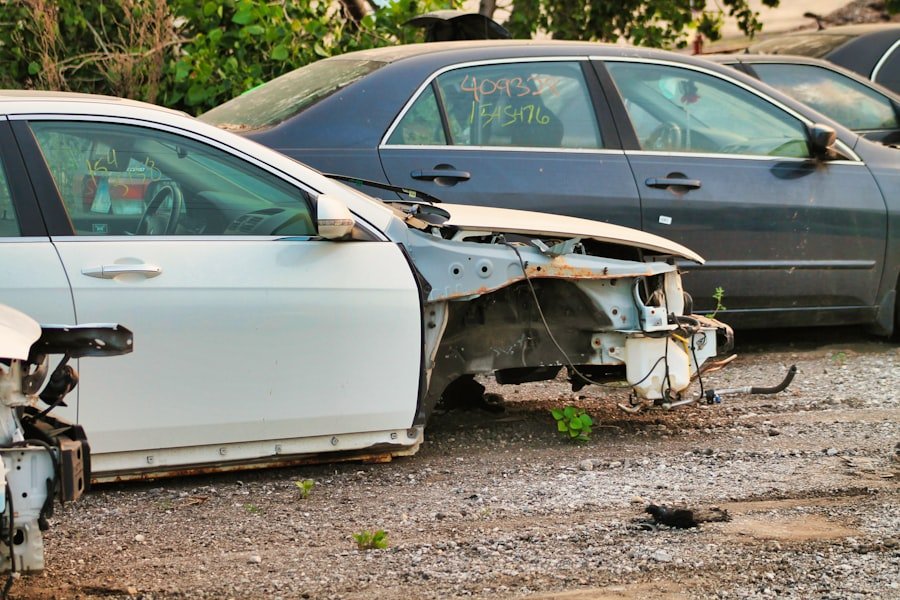
Collision coverage is another important component of your commercial insurance policy as a ride-sharing driver. This type of coverage helps pay for repairs to your vehicle after an accident, regardless of who is at fault. Given that you spend considerable time on the road transporting passengers, the likelihood of being involved in an accident increases significantly compared to regular driving.
Having collision coverage can save you from substantial out-of-pocket expenses if your vehicle sustains damage in an accident. Without this coverage, you would be responsible for covering repair costs yourself, which can be financially burdensome. Additionally, if your vehicle is essential for your livelihood as a ride-sharing driver, ensuring it remains operational is crucial for maintaining your income stream.
Therefore, investing in collision coverage is not just about protecting your vehicle; it’s about safeguarding your ability to earn a living.
Comprehensive Coverage
While collision coverage addresses damages resulting from accidents, comprehensive coverage protects against non-collision-related incidents that could affect your vehicle’s condition. This type of insurance covers events such as theft, vandalism, natural disasters, or damage caused by animals. As a ride-sharing driver who relies on your vehicle for income, having comprehensive coverage can provide peace of mind against unforeseen circumstances that could disrupt your work.
For instance, if your car were stolen while parked at a passenger drop-off location or damaged by hail during a storm, comprehensive coverage would help cover the costs associated with repairs or replacement. Given the unpredictable nature of life on the road, having this additional layer of protection can be invaluable. It ensures that even if something unexpected happens outside of your control, you won’t face financial ruin or significant disruptions to your driving schedule.
Uninsured/Underinsured Motorist Coverage
Uninsured/underinsured motorist coverage is another essential component of your commercial insurance policy as a ride-sharing driver. This type of coverage protects you in situations where you are involved in an accident with another driver who either lacks insurance or does not have enough coverage to pay for damages incurred during the incident. Unfortunately, accidents involving uninsured drivers are more common than one might think.
Having this type of coverage can be particularly beneficial in protecting your financial interests if you’re involved in an accident where the other party cannot cover their share of damages. Without uninsured/underinsured motorist coverage, you may find yourself facing significant medical bills or repair costs without any means to recover those expenses from the at-fault party. By including this protection in your policy, you can drive with greater confidence knowing that you’re safeguarded against potential financial losses stemming from accidents involving uninsured drivers.
Personal Injury Protection
Personal injury protection (PIP) is another critical aspect of commercial insurance that every ride-sharing driver should consider. This type of coverage provides medical expenses for you and your passengers in the event of an accident, regardless of who is at fault. PIP can cover various costs associated with injuries sustained during an accident, including hospital bills, rehabilitation expenses, and even lost wages due to time off work.
As a ride-sharing driver, ensuring that both you and your passengers are protected in case of an accident is paramount. Accidents can lead to serious injuries that require extensive medical treatment and recovery time; having PIP can alleviate some of the financial burdens associated with these situations. Additionally, some jurisdictions may require PIP as part of their minimum insurance requirements for commercial drivers.
Therefore, understanding how PIP works and its benefits can help you make informed decisions about your insurance needs.
Understanding Coverage Limits
When selecting commercial insurance for ride-sharing purposes, understanding coverage limits is crucial. Coverage limits refer to the maximum amount an insurance company will pay out for claims under each type of coverage in your policy. These limits can vary widely depending on the insurer and the specific policy terms you choose.
It’s essential to carefully evaluate these limits when purchasing insurance because they directly impact how much financial protection you’ll have in case of an accident or other incidents. For example, if your liability limit is set too low and you’re involved in a serious accident resulting in significant damages or injuries, you could be held personally responsible for any costs exceeding that limit. Therefore, it’s wise to consider higher limits than the minimum required by law or by ride-sharing companies to ensure adequate protection against potential financial liabilities.
Finding the Right Insurance Provider
Finding the right insurance provider is a critical step in securing adequate commercial coverage as a ride-sharing driver. With numerous options available in the market, it’s essential to conduct thorough research before making a decision. Start by comparing quotes from different insurers to understand pricing structures and available coverage options.
Additionally, consider factors such as customer service reputation and claims handling processes when evaluating potential providers. Reading reviews from other ride-sharing drivers can provide valuable insights into their experiences with specific insurers. Ultimately, choosing an insurance provider that understands the unique needs of ride-sharing drivers will ensure that you receive tailored support and protection while on the road.
In conclusion, navigating the world of ride-sharing requires careful consideration of various factors related to insurance and safety. By understanding the importance of commercial coverage and familiarizing yourself with different types of policies available, you can make informed decisions that protect both yourself and your passengers while maximizing your earning potential as a driver.
In the realm of vehicle insurance for ride-sharing services like Ola and Uber, understanding the nuances of commercial coverage requirements is crucial for drivers. A related article that delves into the broader context of insurance for independent contractors is Protecting Independent Contractors: Accident Insurance Options. This article provides valuable insights into the various insurance options available to independent contractors, which can be particularly beneficial for ride-sharing drivers who often operate as independent entities. By exploring these options, drivers can better protect themselves against potential accidents and liabilities, ensuring a more secure working environment.
FAQs
What is ride-sharing vehicle insurance?
Ride-sharing vehicle insurance is a type of commercial insurance that provides coverage for drivers who use their personal vehicles to transport passengers for companies like Ola and Uber.
What are the coverage requirements for Ola and Uber drivers?
Ola and Uber drivers are required to have commercial insurance that provides coverage for both personal and commercial use of their vehicles. This includes liability coverage, uninsured/underinsured motorist coverage, and comprehensive and collision coverage.
Why do Ola and Uber drivers need commercial insurance?
Ola and Uber drivers need commercial insurance because their personal auto insurance policies typically do not cover them while they are driving for hire. Commercial insurance provides the necessary coverage to protect both the driver and the passengers in the event of an accident.
What are the consequences of not having the proper insurance as a ride-sharing driver?
If a ride-sharing driver does not have the proper commercial insurance coverage, they may be personally liable for any damages or injuries that occur while they are transporting passengers. Additionally, they may face legal and financial consequences, including fines and the potential loss of their driving privileges.
How can Ola and Uber drivers obtain the required commercial insurance?
Ola and Uber drivers can obtain the required commercial insurance by contacting insurance companies that offer commercial coverage for ride-sharing vehicles. They can also inquire about commercial coverage options through Ola and Uber’s preferred insurance partners.