
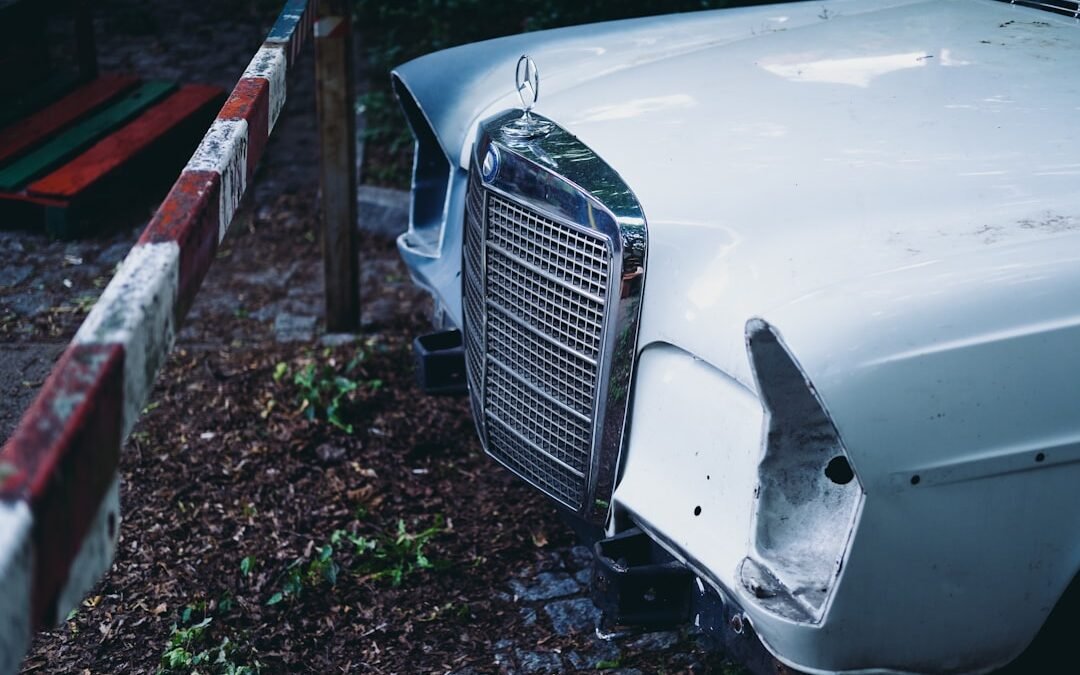
Natural disasters can strike with little to no warning, leaving devastation in their wake. You may find yourself pondering the potential risks that come with living in an area prone to such events. From hurricanes and floods to earthquakes and wildfires, the spectrum of natural disasters is broad and varied.
Understanding the specific risks associated with your geographical location is crucial. For instance, if you reside near a coastline, hurricanes and flooding may be your primary concerns. Conversely, if you live in a mountainous region, you might be more susceptible to landslides or wildfires.
Moreover, the impact of these disasters can extend beyond physical damage to property; they can also disrupt your daily life and financial stability. You might experience loss of income due to business interruptions or face unexpected medical expenses. By comprehensively understanding the risks, you can better prepare yourself and your family for potential disasters.
This preparation includes not only having an emergency plan but also ensuring that you have adequate insurance coverage to protect your assets.
Key Takeaways
- Natural disasters can strike at any time and it’s important to understand the risks associated with them.
- Flood insurance coverage is essential, especially for those living in flood-prone areas, to protect against costly damages.
- Earthquake insurance coverage may be necessary depending on the level of seismic activity in your area.
- Cyclone insurance coverage can help protect your vehicle from damage caused by powerful storms.
- When choosing natural disaster coverage, consider factors such as your location, property value, and potential risks.
Flood Insurance Coverage: What You Need to Know
Flood insurance is a critical component of disaster preparedness, especially if you live in a flood-prone area. You may be surprised to learn that standard homeowners’ insurance policies typically do not cover flood damage. This means that if a flood occurs, you could be left with significant repair costs that you must cover out of pocket.
To mitigate this risk, it’s essential to consider purchasing a separate flood insurance policy. When looking into flood insurance, you should familiarize yourself with the National Flood Insurance Program (NFIP), which offers coverage through participating insurance companies. This program provides two types of coverage: building property coverage and personal property coverage.
Building property coverage protects the structure of your home, while personal property coverage safeguards your belongings. Understanding these distinctions will help you choose the right policy for your needs and ensure that you are adequately protected against potential flood damage.
Earthquake Insurance Coverage: Is It Necessary?
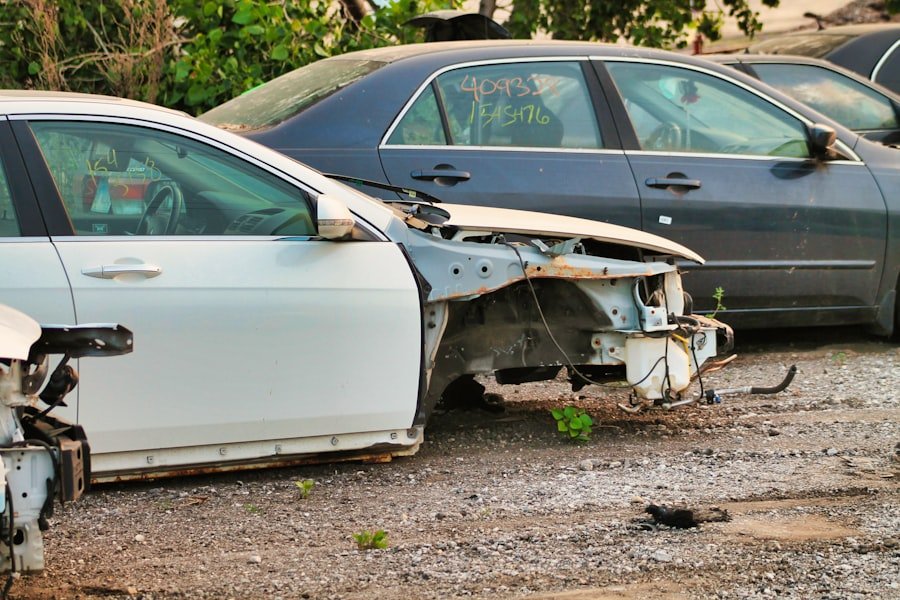
If you live in an earthquake-prone region, you may be wondering whether earthquake insurance is a necessary investment. The answer largely depends on your location and the value of your home and belongings. Earthquakes can cause significant structural damage, and standard homeowners’ insurance policies typically do not cover this type of disaster.
Therefore, if you reside in an area with a history of seismic activity, obtaining earthquake insurance could be a wise decision. When considering earthquake insurance, it’s important to evaluate the specific terms of the policy. Coverage can vary widely, so you should pay attention to factors such as deductibles, limits on coverage, and what types of damage are included.
Additionally, some policies may offer replacement cost coverage for your home and personal belongings, while others may only provide actual cash value. By thoroughly researching your options, you can make an informed decision that aligns with your financial situation and risk tolerance.
Cyclone Insurance Coverage: Protecting Your Vehicle
Cyclones can wreak havoc on vehicles, causing extensive damage from high winds and flooding. If you live in an area susceptible to cyclones, it’s essential to consider cyclone insurance coverage for your vehicle. This type of insurance can help protect you from the financial burden of repairs or replacement costs if your vehicle is damaged during a cyclone event.
When looking for cyclone insurance, you should assess the specific coverage options available to you. Comprehensive auto insurance policies often include protection against natural disasters like cyclones, but it’s crucial to confirm this with your insurance provider. Additionally, consider factors such as deductibles and limits on coverage to ensure that you have adequate protection in place.
By taking these steps, you can safeguard your vehicle against the unpredictable nature of cyclones.
Factors to Consider When Choosing Natural Disaster Coverage
Choosing the right natural disaster coverage involves careful consideration of several factors. First and foremost, assess your geographical location and the types of natural disasters that are most likely to occur in your area. This will help you determine which types of coverage are essential for your protection.
For example, if you live in a flood zone, flood insurance should be a priority. Another important factor is the value of your property and belongings. You should evaluate how much it would cost to repair or replace your home and possessions in the event of a disaster.
This assessment will guide you in selecting coverage limits that adequately reflect the value of what you own. Additionally, consider your financial situation; higher premiums may provide more comprehensive coverage but could strain your budget. Balancing these factors will help you make an informed decision about the right natural disaster coverage for your needs.
The Cost of Natural Disaster Coverage: Is It Worth It?
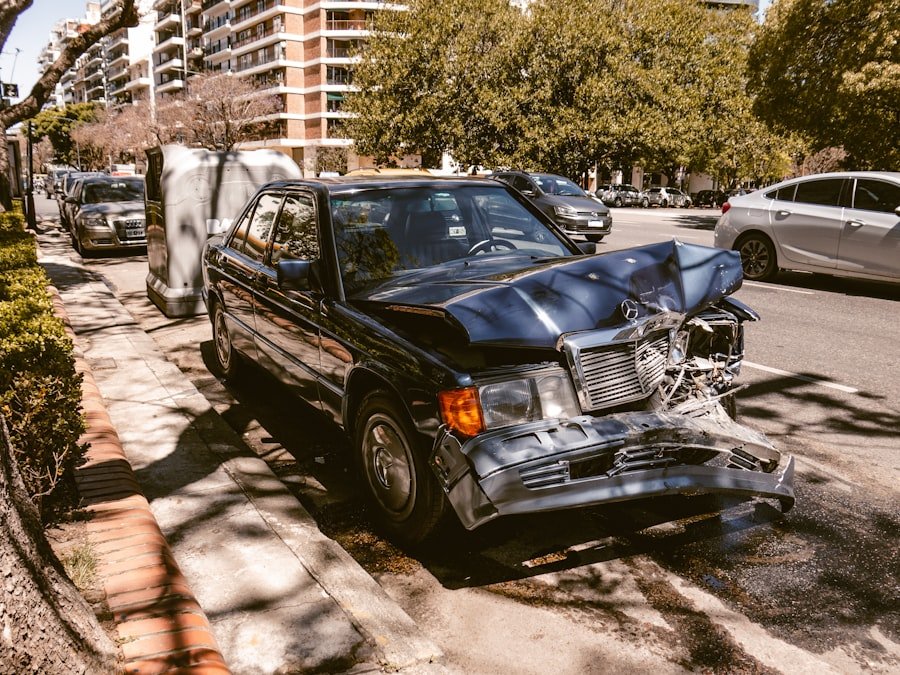
The cost of natural disaster coverage can vary significantly based on several factors, including your location, the type of coverage you need, and the value of your property. You might find yourself questioning whether the expense is justified, especially if you’ve never experienced a disaster firsthand. However, it’s essential to weigh the potential costs of being uninsured against the premiums you’ll pay for coverage.
In many cases, the financial repercussions of a natural disaster can far exceed the cost of insurance premiums. For instance, repairing or rebuilding a home after a flood or earthquake can run into tens or even hundreds of thousands of dollars. By investing in natural disaster coverage, you’re essentially purchasing peace of mind and financial security for yourself and your family.
While it may seem like an added expense now, having adequate coverage can save you from devastating financial losses in the future.
How to Assess Your Vehicle’s Risk for Natural Disasters
Assessing your vehicle’s risk for natural disasters involves evaluating both your geographical location and the specific vulnerabilities associated with your vehicle type. Start by considering where you park or store your vehicle—if it’s often exposed to elements like flooding or high winds, it may be at greater risk during a natural disaster. Additionally, think about whether you frequently travel through areas prone to such events; this could also increase your vehicle’s exposure.
Next, consider the type of vehicle you own. Some vehicles are more resilient than others when it comes to weather-related damage. For example, larger SUVs may fare better in floods than smaller sedans due to their higher ground clearance.
By taking these factors into account, you can better understand how vulnerable your vehicle is to natural disasters and make informed decisions about insurance coverage accordingly.
Tips for Finding the Right Insurance Provider for Natural Disaster Coverage
Finding the right insurance provider for natural disaster coverage requires thorough research and consideration of various factors. Start by seeking recommendations from friends or family who have experience with different insurers. Online reviews can also provide valuable insights into customer satisfaction and claims processes.
Once you’ve narrowed down potential providers, take the time to compare quotes and coverage options. Look for insurers that specialize in natural disaster coverage or have a strong reputation for handling claims related to such events. Additionally, consider their financial stability; an insurer with solid financial backing is more likely to fulfill claims when disaster strikes.
By following these tips, you’ll be better equipped to choose an insurance provider that meets your needs.
Steps to Take After Your Vehicle is Damaged in a Natural Disaster
If your vehicle sustains damage during a natural disaster, it’s crucial to take immediate action to protect yourself and facilitate the claims process. First and foremost, ensure that you’re safe and out of harm’s way before assessing the damage to your vehicle. Once you’re safe, document the damage thoroughly by taking photographs from multiple angles; this evidence will be invaluable when filing an insurance claim.
Next, contact your insurance provider as soon as possible to report the damage and initiate the claims process. Be prepared to provide them with all necessary documentation, including photos and any relevant details about the incident. Your insurer will guide you through the next steps, which may include arranging for repairs or assessing whether your vehicle is a total loss.
By acting quickly and following these steps, you’ll streamline the process and increase your chances of receiving timely compensation.
The Importance of Regularly Reviewing and Updating Your Coverage
Regularly reviewing and updating your natural disaster coverage is essential for ensuring that you’re adequately protected as circumstances change over time. Life events such as moving to a new home, acquiring valuable possessions, or making significant renovations can all impact your insurance needs. By periodically reassessing your coverage, you can identify any gaps or areas where adjustments are necessary.
Additionally, changes in local regulations or risk assessments may affect your insurance requirements as well. For instance, if new flood zones are established in your area or if there are updates regarding earthquake risks, it’s crucial to adjust your policy accordingly. By staying proactive about reviewing and updating your coverage, you’ll ensure that you’re always prepared for whatever nature may throw your way.
Additional Resources for Understanding and Obtaining Natural Disaster Coverage
Navigating the world of natural disaster coverage can be complex, but numerous resources are available to help you make informed decisions. Government websites often provide valuable information about local risks and available insurance programs tailored to specific disasters. For example, FEMA offers resources related to flood insurance through its National Flood Insurance Program (NFIP).
Additionally, nonprofit organizations focused on disaster preparedness can offer guidance on assessing risks and understanding insurance options. Local community centers or libraries may host workshops or informational sessions on disaster preparedness that include discussions about insurance coverage. By utilizing these resources, you’ll empower yourself with knowledge that can help protect both your property and peace of mind in the face of natural disasters.
In addition to understanding vehicle insurance for natural disasters such as floods, earthquakes, and cyclones, it’s crucial to consider the broader spectrum of insurance needs. For instance, health insurance plays a vital role in safeguarding your well-being against unforeseen medical expenses. To delve deeper into the significance of health insurance, you can explore the article titled “5 Compelling Reasons Highlighting the Importance of Health Insurance in India.” This article provides valuable insights into why health insurance is essential for every individual. You can read more about it by visiting this link.
FAQs
What is vehicle insurance for natural disasters?
Vehicle insurance for natural disasters is a type of insurance coverage that protects your vehicle from damage caused by natural disasters such as floods, earthquakes, and cyclones. This coverage can help pay for repairs or replacement of your vehicle if it is damaged or destroyed by a natural disaster.
What does flood coverage for vehicle insurance include?
Flood coverage for vehicle insurance typically includes protection against damage caused by flooding, such as water damage to the engine, interior, or electrical systems of the vehicle. This coverage may also include compensation for total loss if the vehicle is completely submerged in floodwaters.
What does earthquake coverage for vehicle insurance include?
Earthquake coverage for vehicle insurance provides protection against damage caused by earthquakes, such as structural damage to the vehicle or damage from falling debris. This coverage may also include compensation for total loss if the vehicle is severely damaged in an earthquake.
What does cyclone coverage for vehicle insurance include?
Cyclone coverage for vehicle insurance offers protection against damage caused by cyclones or hurricanes, such as wind damage, flying debris, or flooding from storm surges. This coverage may also include compensation for total loss if the vehicle is severely damaged or destroyed in a cyclone.
Is vehicle insurance for natural disasters mandatory?
Vehicle insurance for natural disasters is not mandatory in all locations, but it is highly recommended, especially in areas prone to natural disasters. It can provide valuable financial protection in the event of damage to your vehicle caused by a natural disaster.
How can I purchase vehicle insurance for natural disasters?
You can purchase vehicle insurance for natural disasters through insurance companies that offer comprehensive coverage options. It’s important to review the policy details and coverage limits to ensure that it meets your specific needs for protection against natural disasters.