

In the realm of vehicle ownership, ensuring the longevity and functionality of your engine is paramount. One of the most effective ways to safeguard your investment is through vehicle insurance engine protection cover. This specialized insurance product is designed to provide financial assistance in the event of engine damage, particularly due to unforeseen circumstances such as water ingress or hydrostatic lock.
As a vehicle owner, understanding the nuances of this coverage can empower you to make informed decisions that protect your vehicle and your wallet. The importance of engine protection cover cannot be overstated, especially in regions prone to heavy rainfall or flooding. With the increasing unpredictability of weather patterns, the risk of water damage to your vehicle’s engine has become a pressing concern.
By opting for engine protection cover, you not only shield yourself from potentially exorbitant repair costs but also gain peace of mind knowing that you are prepared for any eventuality. This article delves into the intricacies of water damage, hydrostatic lock, and how engine protection cover can serve as a safety net for your vehicle.
Key Takeaways
- Vehicle Insurance Engine Protection Cover provides coverage for water damage and hydrostatic lock in vehicle engines.
- Water damage occurs when water enters the engine and causes damage, while hydrostatic lock happens when water prevents the engine from turning over.
- Engine Protection Cover helps in covering the repair costs for water damage and hydrostatic lock, providing financial security to vehicle owners.
- To make a claim for water damage and hydrostatic lock, vehicle owners need to inform the insurance company immediately and provide necessary documentation.
- Exclusions and limitations of Engine Protection Cover may include pre-existing damage, negligence, and using the vehicle for illegal activities.
What is Water Damage and Hydrostatic Lock in Vehicle Engines?
Water damage in vehicle engines occurs when water enters the engine’s internal components, leading to corrosion, rust, and ultimately, mechanical failure. This can happen in various scenarios, such as driving through flooded roads or heavy rainstorms where water splashes into the engine compartment. As a vehicle owner, you may not realize the extent of damage that even a small amount of water can cause.
The engine’s intricate systems are designed to operate with air and fuel, and introducing water disrupts this balance, leading to severe consequences. Hydrostatic lock is a specific type of water damage that occurs when water enters the combustion chamber of an engine. When this happens, the engine’s pistons cannot compress the water like they would with air or fuel.
This results in a situation where the engine is unable to turn over, leading to significant mechanical issues. If you find yourself in a situation where your vehicle won’t start after driving through deep water, hydrostatic lock may be the culprit. Understanding these risks is crucial for every vehicle owner, as it highlights the importance of taking preventive measures and having adequate insurance coverage.
Understanding Vehicle Insurance Engine Protection Cover
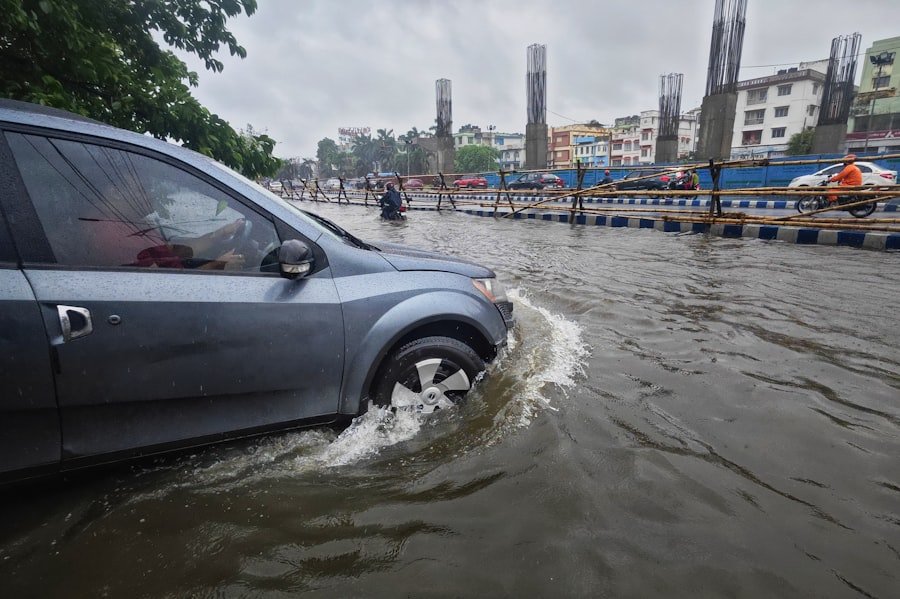
Vehicle insurance engine protection cover is a specialized policy that provides financial assistance for repairs related to engine damage caused by specific incidents, including water damage and hydrostatic lock. Unlike standard vehicle insurance policies that primarily cover accidents and theft, this type of coverage focuses on protecting one of the most vital components of your vehicle—the engine. As you navigate the complexities of vehicle insurance, it’s essential to recognize how this coverage can serve as a safeguard against unexpected repair costs.
When you opt for engine protection cover, you typically gain access to a range of benefits. These may include coverage for repairs or replacements of engine components damaged by water ingress or hydrostatic lock, as well as assistance with labor costs associated with these repairs. Additionally, some policies may offer roadside assistance or towing services if your vehicle becomes inoperable due to engine issues.
By understanding the specifics of what this coverage entails, you can make an informed decision about whether it aligns with your needs as a vehicle owner.
How to Make a Claim for Water Damage and Hydrostatic Lock
| Steps | Details |
|---|---|
| 1 | Contact your insurance company |
| 2 | Document the damage with photos |
| 3 | Prevent further damage if possible |
| 4 | File a claim with your insurance company |
| 5 | Meet with the insurance adjuster |
| 6 | Receive payment for the claim |
Making a claim for water damage or hydrostatic lock under your vehicle insurance engine protection cover involves several steps that require careful attention to detail. First and foremost, it’s crucial to document the incident thoroughly. Take photographs of your vehicle in its current state, especially if it has been submerged in water or shows signs of engine failure.
This visual evidence will be invaluable when you file your claim. Once you have gathered all necessary documentation, contact your insurance provider to initiate the claims process. Be prepared to provide details about the incident, including when and where it occurred, as well as any relevant information about your vehicle’s condition prior to the event.
Your insurer may require an inspection of the vehicle before approving the claim, so ensure that you follow their guidelines closely. By being proactive and organized throughout this process, you can increase your chances of a successful claim and expedite any necessary repairs.
Exclusions and Limitations of Vehicle Insurance Engine Protection Cover
While vehicle insurance engine protection cover offers valuable benefits, it’s essential to be aware of its exclusions and limitations. Not all types of engine damage are covered under this policy; for instance, wear and tear due to regular use or neglect may not qualify for coverage. Additionally, if it is determined that the damage was caused by improper maintenance or modifications made to the engine, your claim could be denied.
Another common limitation is related to geographical restrictions. Some policies may not cover incidents that occur in certain areas prone to flooding or heavy rainfall unless specific precautions were taken by the vehicle owner. It’s crucial to read the fine print of your policy carefully and ask your insurer about any potential exclusions that may apply.
By understanding these limitations upfront, you can better prepare yourself for any challenges that may arise when filing a claim.
Importance of Engine Protection Cover in India
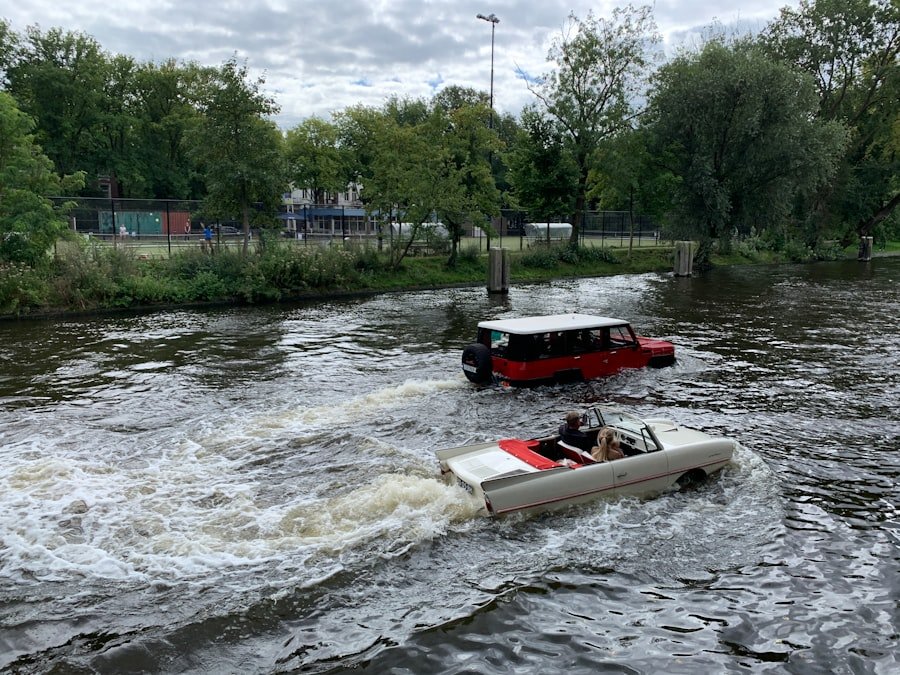
In India, where monsoon seasons can lead to heavy rainfall and flooding, having engine protection cover is particularly important for vehicle owners. The risk of water damage is heightened during these months, making it essential to have adequate insurance coverage in place. With many urban areas experiencing poor drainage systems and frequent waterlogging, vehicles are often exposed to conditions that can lead to hydrostatic lock and other forms of engine damage.
Moreover, as more people invest in vehicles for personal and commercial use, the financial implications of engine repairs can be daunting. Engine protection cover serves as a safety net that not only alleviates financial burdens but also encourages responsible vehicle ownership. By securing this type of coverage, you demonstrate foresight and prudence in protecting one of your most significant investments—your vehicle.
Tips for Preventing Water Damage and Hydrostatic Lock in Vehicle Engines
Preventing water damage and hydrostatic lock requires vigilance and proactive measures on your part as a vehicle owner. One effective strategy is to avoid driving through flooded areas whenever possible. If you encounter standing water on the road, assess its depth before proceeding; if it appears too deep, it’s best to turn around and find an alternative route.
Additionally, familiarize yourself with local weather forecasts during monsoon seasons so you can plan your travels accordingly. Regular maintenance is another key factor in preventing engine issues related to water damage. Ensure that your vehicle’s air intake system is functioning correctly and that all seals are intact.
This will help minimize the risk of water entering critical components during heavy rain or flooding. Furthermore, consider investing in protective accessories such as waterproof covers or engine bay seals designed specifically for your vehicle model. By taking these preventive measures seriously, you can significantly reduce the likelihood of encountering water-related engine problems.
Ensuring Comprehensive Protection for Your Vehicle Engine
In conclusion, securing vehicle insurance engine protection cover is an essential step toward safeguarding your investment against unforeseen circumstances such as water damage and hydrostatic lock. As a responsible vehicle owner, understanding the intricacies of this coverage empowers you to make informed decisions that protect both your finances and your vehicle’s longevity. By being aware of potential risks and taking proactive measures to prevent water-related issues, you can enjoy peace of mind knowing that you are well-prepared for any challenges that may arise.
Ultimately, comprehensive protection for your vehicle’s engine goes beyond just having insurance; it involves a commitment to regular maintenance and responsible driving practices. By combining these elements with adequate insurance coverage, you can ensure that your vehicle remains reliable and functional for years to come. Embrace the importance of engine protection cover today—your future self will thank you for it!
In India, vehicle insurance policies often include an engine protection cover, which is crucial for safeguarding your vehicle against water damage and hydrostatic lock claims. This type of coverage is particularly important during the monsoon season when the risk of water ingress into the engine is high. For those looking to enhance their insurance coverage, it’s beneficial to explore various add-ons that can provide additional protection. An insightful article that delves into the different add-ons available for two-wheeler insurance, which can also be applicable to other types of vehicle insurance, can be found here. This article provides valuable information on how to enhance your insurance policy to better protect your vehicle against unforeseen damages.
FAQs
What is vehicle insurance engine protection cover?
Vehicle insurance engine protection cover is an add-on cover that provides financial protection in case of damage to the engine of the insured vehicle. It is designed to cover the repair or replacement costs of the engine and its parts in the event of damage due to water ingression, hydrostatic lock, or consequential damage.
What is water damage in the context of vehicle insurance engine protection cover?
Water damage refers to any damage caused to the engine or its parts due to water ingression, such as driving through flooded areas or submerging the vehicle in water. This can lead to significant damage to the engine and its components, requiring costly repairs or replacements.
What is hydrostatic lock and how does it relate to vehicle insurance engine protection cover?
Hydrostatic lock, also known as hydrolock, occurs when water enters the engine cylinders and prevents the pistons from moving. This can cause severe damage to the engine and may require extensive repairs or replacement. Vehicle insurance engine protection cover typically includes coverage for damage caused by hydrostatic lock.
How can I make a claim for water damage or hydrostatic lock under my vehicle insurance engine protection cover in India?
To make a claim for water damage or hydrostatic lock under your vehicle insurance engine protection cover in India, you will need to contact your insurance provider and inform them about the incident. You will be required to provide details of the damage, supporting documents, and may need to have the vehicle inspected by a surveyor appointed by the insurance company. Once the claim is approved, the insurance company will cover the repair or replacement costs as per the terms of the policy.
Is vehicle insurance engine protection cover mandatory in India?
Vehicle insurance engine protection cover is not mandatory in India. However, it is an optional add-on cover that can provide valuable financial protection in case of engine damage due to water ingression, hydrostatic lock, or consequential damage. It is recommended for individuals who want to safeguard their vehicles against such risks.