

When you find yourself in a situation where your vehicle has been severely damaged, you may need to file a total loss claim with your motor insurance provider. A total loss claim occurs when the cost of repairing your vehicle exceeds its actual cash value (ACV) or when the vehicle is deemed irreparable. In such cases, the insurance company typically compensates you for the vehicle’s value rather than covering repair costs.
This process can be overwhelming, especially if you are unfamiliar with the intricacies of insurance policies and claims. Understanding what constitutes a total loss is crucial for any vehicle owner. It’s not just about the physical damage; it also involves assessing the vehicle’s market value before the accident.
If your car is involved in a serious collision or suffers extensive damage from an event like flooding, your insurer will evaluate whether it makes financial sense to repair it. If the repairs are deemed too costly, you will be informed that your vehicle is a total loss, and you will then begin the process of filing a claim to receive compensation.
Key Takeaways
- A total loss claim occurs when a vehicle is damaged beyond repair or repair costs exceed its value.
- Salvage value depends on factors like vehicle condition, market demand, and parts usability.
- Salvage value directly impacts the payout amount in total loss claims.
- Salvage yards play a key role in assessing and determining a vehicle’s salvage value.
- Negotiating salvage value and understanding the claims process can help resolve disputes effectively.
Factors that determine a vehicle’s salvage value
Several factors come into play when determining a vehicle’s salvage value, which is essentially the amount an insurance company expects to recover from a totaled vehicle. One of the primary considerations is the vehicle’s pre-accident market value. This value is influenced by various elements, including the make and model of the car, its age, mileage, and overall condition prior to the incident.
A well-maintained vehicle with low mileage will generally have a higher salvage value compared to an older car with significant wear and tear. Another critical factor is the extent of the damage sustained during the accident. The more severe the damage, the lower the salvage value tends to be.
Insurance adjusters will assess the vehicle’s condition and categorize it based on industry standards, which can significantly impact how much you might receive. Additionally, regional market trends can also affect salvage values; for instance, certain vehicles may be in higher demand in specific areas, leading to increased salvage values in those regions.
How salvage value affects total loss claims

Salvage value plays a pivotal role in total loss claims as it directly influences the compensation you receive from your insurance company. When your vehicle is declared a total loss, the insurer will calculate its actual cash value by subtracting the salvage value from the pre-accident market value. This means that if your car has a high salvage value, you may receive less compensation than if it had a lower salvage value.
Understanding this relationship is essential for navigating your claim effectively. Moreover, knowing how salvage value affects your total loss claim can empower you during negotiations with your insurance provider. If you believe that your vehicle’s salvage value has been underestimated, you can present evidence to support your case.
This could include recent sales data for similar vehicles or documentation of any aftermarket modifications that may enhance its value. By being proactive and informed about how salvage value impacts your claim, you can work towards securing a fair settlement.
Understanding the process of total loss claims
Navigating the process of total loss claims can be daunting, but understanding each step can help alleviate some of that stress. Initially, after an accident, you should report the incident to your insurance company as soon as possible. They will assign an adjuster to evaluate the damage and determine whether your vehicle qualifies as a total loss.
This assessment typically involves inspecting the car and reviewing repair estimates from certified mechanics. Once your vehicle is deemed a total loss, the insurer will calculate its actual cash value based on various factors, including market trends and salvage value. You will then receive an offer from your insurance company, which you can either accept or negotiate.
If you choose to negotiate, it’s essential to gather supporting documentation that justifies your position. This could include photographs of your vehicle before the accident, maintenance records, and comparable sales data for similar vehicles in your area.
The role of salvage yards in determining salvage value
| Metric | Description | Typical Value / Range (India) | Notes |
|---|---|---|---|
| Total Loss Claim | Claim amount paid when vehicle is declared a total loss | Depends on Insured Declared Value (IDV) | Usually close to IDV minus depreciation and deductibles |
| Constructive Total Loss (CTL) | When repair cost exceeds a certain percentage of vehicle’s IDV | Repair cost > 75% to 80% of IDV | Threshold varies by insurer and policy terms |
| Salvage Value | Value of the damaged vehicle or parts after total loss | 5% to 15% of IDV | Depends on vehicle condition and market demand for scrap |
| Depreciation Rate | Reduction in vehicle value over time for claim calculation | 5% to 15% per year | Varies by vehicle age and insurer’s depreciation schedule |
| Average Claim Settlement Time | Time taken to settle total loss claims | 15 to 30 days | Depends on documentation and insurer process efficiency |
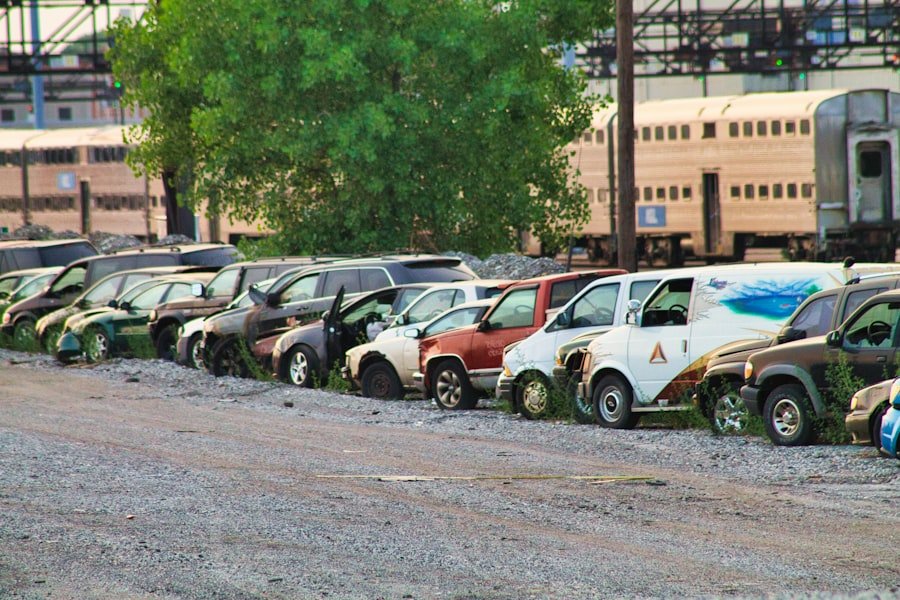
Salvage yards play a crucial role in determining a vehicle’s salvage value after it has been declared a total loss. These facilities specialize in dismantling damaged vehicles and selling their parts, which can significantly influence how much an insurance company expects to recover from a totaled car. When assessing salvage value, insurers often consult with salvage yards to gauge how much they could potentially earn from selling parts or scrap metal.
The relationship between insurance companies and salvage yards is symbiotic; insurers rely on these facilities for accurate assessments of salvage values while salvage yards depend on insurers for a steady supply of vehicles to dismantle. This collaboration ensures that both parties have a clear understanding of market conditions and pricing trends, which ultimately affects how much you might receive for your totaled vehicle.
The importance of salvage value in motor insurance
Salvage value holds significant importance in motor insurance as it directly impacts both insurers and policyholders. For insurance companies, accurately assessing salvage value helps them manage their financial risk and maintain profitability. By understanding how much they can recover from totaled vehicles, insurers can set premiums more effectively and ensure they remain solvent in the face of claims.
For policyholders like yourself, understanding salvage value is equally important. It can influence how much compensation you receive after a total loss claim and can also affect your decision-making process regarding repairs or replacements. Being informed about salvage values allows you to advocate for yourself during negotiations with your insurer and ensures that you are not shortchanged in the event of a total loss.
How to negotiate salvage value with your insurance company
Negotiating salvage value with your insurance company can be a challenging yet necessary step in securing fair compensation for your totaled vehicle. To begin this process effectively, gather as much information as possible about your vehicle’s pre-accident condition and market value. This includes obtaining recent sales data for similar vehicles in your area and documenting any unique features or upgrades that may enhance its worth.
When presenting your case to the insurance adjuster, be clear and concise about why you believe the initial salvage value is too low. Use your gathered evidence to support your argument and remain open to discussion. It’s essential to approach negotiations with a collaborative mindset rather than an adversarial one; this can lead to more productive conversations and ultimately result in a better outcome for both parties.
Tips for handling total loss claims and salvage value disputes
Handling total loss claims and potential disputes over salvage value requires patience and diligence. One of the most effective tips is to maintain thorough documentation throughout the entire process. Keep records of all communications with your insurance company, including emails, phone calls, and any written correspondence.
This documentation can serve as valuable evidence if disputes arise later on. Additionally, consider seeking advice from professionals who specialize in auto claims or legal matters related to insurance disputes. They can provide insights into industry standards and help you navigate complex negotiations more effectively.
Finally, don’t hesitate to escalate your concerns within the insurance company if you feel that your case isn’t being handled fairly; sometimes, simply speaking with a supervisor can lead to better outcomes. In conclusion, understanding total loss claims and salvage values is essential for any vehicle owner navigating the complexities of motor insurance. By being informed about these processes and advocating for yourself effectively, you can ensure that you receive fair compensation for your totaled vehicle while minimizing stress during what can be an overwhelming experience.
When dealing with motor insurance total loss claims in India, understanding the concept of constructive total loss and salvage value is crucial. For those looking to explore related insurance topics, you might find the article on life insurance options in India insightful, as it provides a comprehensive overview of various insurance products that can complement your motor insurance policy.
FAQs
What is a total loss claim in motor insurance in India?
A total loss claim occurs when a vehicle is damaged to such an extent that the cost of repairs exceeds a certain percentage of the vehicle’s insured value, or when the vehicle is completely destroyed or stolen and not recovered. In such cases, the insurer may declare the vehicle a total loss and settle the claim accordingly.
What does “constructive total loss” mean in motor insurance?
Constructive total loss refers to a situation where the cost of repairing the damaged vehicle exceeds its current market value or a specified percentage of the insured value, making it uneconomical to repair. Although the vehicle is not completely destroyed, it is treated as a total loss for claim purposes.
How is the salvage value determined in a total loss claim?
Salvage value is the estimated residual value of the damaged vehicle after a total loss is declared. It is usually determined by the insurer based on the vehicle’s condition, market demand for scrap or parts, and prevailing rates. The salvage value is deducted from the claim settlement amount.
What happens to the vehicle after a total loss claim is settled?
After settlement, the ownership of the damaged vehicle typically transfers to the insurance company. The insurer may sell the vehicle as salvage to recover some costs. The policyholder usually cannot retain the vehicle unless agreed upon with the insurer, often involving a deduction in the claim amount.
How is the claim amount calculated in a total loss motor insurance claim?
The claim amount is generally calculated as the insured declared value (IDV) of the vehicle minus the salvage value and any applicable deductibles. The IDV represents the current market value of the vehicle agreed upon at the time of policy purchase.
Can a policyholder negotiate the salvage value with the insurer?
Yes, policyholders can discuss and negotiate the salvage value with the insurer if they believe the offered amount is unfair. However, the final salvage value is subject to the insurer’s assessment and prevailing market conditions.
Is it mandatory to accept a total loss claim settlement from the insurer?
No, it is not mandatory. If the policyholder disagrees with the insurer’s assessment or settlement offer, they can seek a second opinion, file a complaint with the insurance ombudsman, or pursue legal remedies.
Does motor insurance cover total loss due to theft?
Yes, comprehensive motor insurance policies in India cover total loss due to theft, provided the vehicle is not recovered within the stipulated time frame. The claim process and settlement follow similar procedures as for accident-related total loss.
What documents are required to file a total loss claim in motor insurance?
Typically, the documents required include the insurance policy, vehicle registration certificate, FIR (in case of theft or accident), estimate of repairs, surveyor’s report, and any other documents requested by the insurer.
How long does it take to settle a total loss motor insurance claim in India?
The settlement time varies depending on the insurer, claim complexity, and documentation. Generally, insurers aim to settle claims within 30 days of receiving all necessary documents and completing the survey process.