

Third party insurance coverage is a type of insurance policy that protects you against claims made by another party for damages or injuries that you may have caused. In essence, it serves as a safety net, ensuring that if you are found liable for an accident or incident, your insurance will cover the costs associated with the damages. This type of coverage is particularly common in auto insurance, where it is often a legal requirement in many jurisdictions.
When you purchase third party insurance, you are essentially paying for peace of mind, knowing that you are financially protected against potential claims from others. The term “third party” refers to anyone who is not directly involved in the contract between you and your insurance provider. In this context, you are the first party (the insured), the insurance company is the second party, and any individual or entity that may file a claim against you is the third party.
This coverage typically includes liability for bodily injury and property damage, which means that if you accidentally injure someone or damage their property, your insurance will help cover the costs associated with those claims.
Key Takeaways
- Third party insurance coverage provides protection for the policyholder against claims from a third party for damage or injury caused by the policyholder’s vehicle.
- It is important to have third party insurance coverage to protect against potential financial losses from legal claims and liabilities.
- Third party insurance coverage differs from comprehensive coverage in that it only covers damage or injury to a third party, not the policyholder’s own vehicle.
- Understanding the limits of third party insurance coverage is crucial, as it may not cover all potential costs in the event of an accident.
- Third party insurance coverage typically covers bodily injury, property damage, and legal costs, but may have exclusions such as intentional acts or driving under the influence.
The Importance of Third Party Insurance Coverage
Financial Protection and Legal Compliance
The importance of this type of insurance cannot be overstated; it acts as a buffer between your personal assets and the financial repercussions of unforeseen incidents. Moreover, third party insurance coverage fosters a sense of responsibility among drivers and individuals engaging in activities that could impact others.
Promoting Safer Behavior
Knowing that you have coverage encourages safer behavior on the road and in other situations where accidents might occur. It promotes accountability and ensures that victims of accidents receive compensation for their losses, which can be vital for their recovery and well-being.
Creating a Safer Community
In this way, third party insurance not only protects you but also contributes to a more responsible and safer community.
How Third Party Insurance Coverage Differs from Comprehensive Coverage
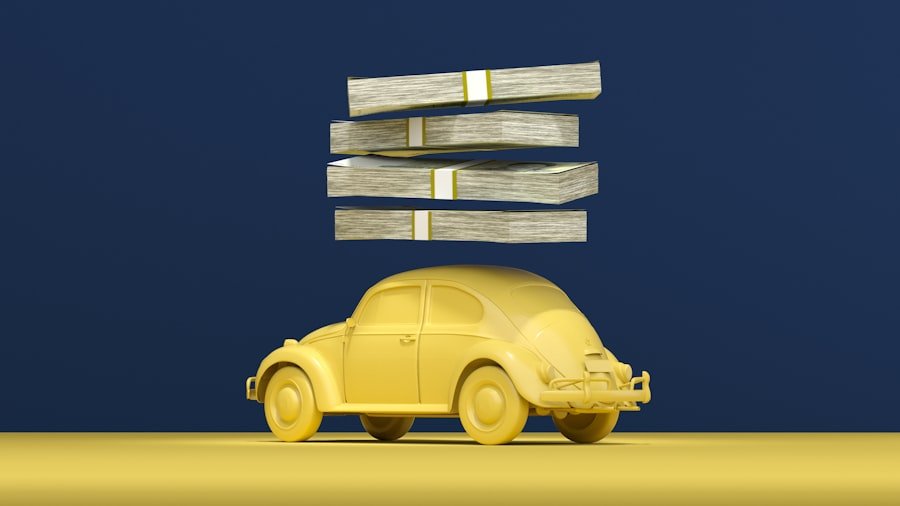
While third party insurance coverage is essential for protecting against claims made by others, it is important to understand how it differs from comprehensive coverage. Comprehensive coverage provides a broader range of protection, covering damages to your own vehicle or property regardless of fault. This means that if your car is damaged due to theft, vandalism, or natural disasters, comprehensive coverage will help cover those costs.
In contrast, third party insurance only addresses claims made by others against you. The distinction between these two types of coverage is significant when considering your overall insurance needs. If you are involved in an accident where you are at fault, third party insurance will cover the damages to the other party’s vehicle or medical expenses, but it will not cover your own vehicle’s repairs.
Therefore, if you want complete protection for both your own assets and those of others, it may be wise to consider adding comprehensive coverage to your policy. Understanding these differences can help you make informed decisions about the level of protection you need.
Understanding the Limits of Third Party Insurance Coverage
| Insurance Coverage Limit | Explanation |
|---|---|
| Liability Coverage | Covers bodily injury and property damage that you are legally responsible for. |
| Medical Payments Coverage | Covers medical expenses for you and your passengers regardless of fault. |
| Uninsured/Underinsured Motorist Coverage | Protects you if you’re in an accident with an at-fault driver who doesn’t carry enough insurance. |
| Comprehensive Coverage | Covers damage to your car from things like theft, vandalism, and natural disasters. |
| Collision Coverage | Covers damage to your car when your car hits, or is hit by, another vehicle or object. |
Every insurance policy comes with limits, and third party insurance coverage is no exception. These limits refer to the maximum amount your insurer will pay for claims made against you. It is crucial to understand these limits because they can significantly impact your financial liability in the event of an accident.
If the damages exceed your policy limits, you may be responsible for covering the remaining costs out of pocket. Additionally, different policies may have varying limits based on factors such as state regulations, the type of vehicle insured, and your personal risk profile. It is essential to review these limits carefully when selecting a policy to ensure that they align with your needs and potential risks.
You may also have the option to increase your limits for an additional premium, which can provide extra peace of mind in case of severe accidents.
What Does Third Party Insurance Cover?
Third party insurance coverage typically includes two main components: bodily injury liability and property damage liability. Bodily injury liability covers medical expenses, lost wages, and other costs associated with injuries sustained by another person in an accident for which you are at fault. This can include hospital bills, rehabilitation costs, and even compensation for pain and suffering.
Property damage liability, on the other hand, covers the costs associated with damage to someone else’s property resulting from an accident you caused. This could include repairs to another vehicle or compensation for damage to public property such as fences or lampposts. Understanding what these components entail can help you appreciate the value of third party insurance coverage and how it protects you from financial loss.
Exclusions in Third Party Insurance Coverage
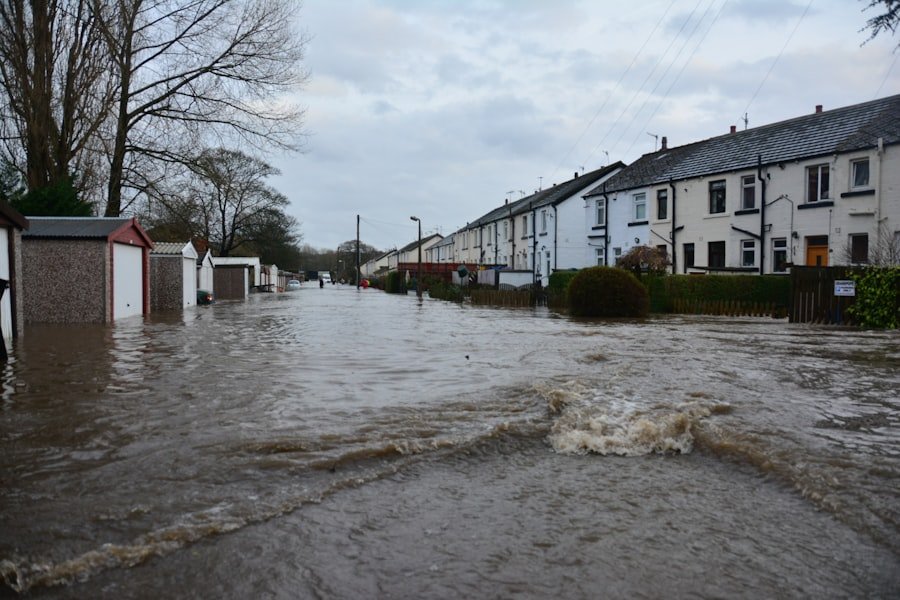
While third party insurance provides essential protection, it is also important to be aware of its exclusions—situations or circumstances under which your policy will not provide coverage. Common exclusions may include intentional acts, driving under the influence of drugs or alcohol, and using your vehicle for commercial purposes without appropriate coverage. Understanding these exclusions is vital because they can leave you vulnerable in specific situations.
Additionally, some policies may have limitations regarding certain types of vehicles or activities. For example, if you are driving a motorcycle or a high-performance vehicle, your standard third party policy may not provide adequate coverage. It is crucial to read your policy documents carefully and consult with your insurance agent to ensure that you fully understand what is covered and what is not.
How to Choose the Right Third Party Insurance Coverage
Choosing the right third party insurance coverage involves several considerations that can help tailor a policy to fit your specific needs. First and foremost, assess your risk exposure based on factors such as your driving habits, the type of vehicle you own, and your financial situation. If you frequently drive in high-traffic areas or own a luxury vehicle, you may want to consider higher liability limits to protect yourself adequately.
Another important factor is comparing quotes from different insurance providers. Each company may offer varying premiums and coverage options, so shopping around can help you find a policy that meets both your budget and coverage needs. Additionally, consider seeking advice from an insurance agent who can provide insights into different policies and help clarify any questions you may have about third party insurance coverage.
Understanding the Claims Process for Third Party Insurance Coverage
Navigating the claims process for third party insurance coverage can seem daunting, but understanding the steps involved can make it more manageable. The first step typically involves reporting the accident to your insurance company as soon as possible. This includes providing details about the incident, such as when and where it occurred and any parties involved.
Once you’ve reported the claim, your insurer will investigate the incident to determine liability and assess damages. This may involve gathering statements from witnesses, reviewing police reports, and evaluating medical records if injuries are involved. After this assessment, your insurer will communicate with the third party’s insurance company to negotiate a settlement based on the findings.
Being proactive and cooperative during this process can help expedite claims resolution.
Common Misconceptions about Third Party Insurance Coverage
There are several misconceptions surrounding third party insurance coverage that can lead to confusion among policyholders. One common myth is that having third party insurance means you are fully protected against all types of accidents or damages. In reality, this type of coverage only protects against claims made by others; it does not cover damages to your own vehicle or injuries sustained by yourself in an accident.
Another misconception is that all third party policies are created equal. In truth, there can be significant variations in terms of coverage limits, exclusions, and premiums among different insurers. It’s essential to do thorough research and understand what each policy offers before making a decision.
The Cost of Third Party Insurance Coverage
The cost of third party insurance coverage can vary widely based on several factors including your age, driving history, location, and the type of vehicle you drive. Generally speaking, younger drivers or those with a history of accidents may face higher premiums due to perceived risk factors. Conversely, experienced drivers with clean records often benefit from lower rates.
Additionally, the level of coverage you choose will also impact the cost. Higher liability limits typically result in higher premiums but provide greater protection in case of severe accidents. It’s important to strike a balance between affordability and adequate protection when selecting a policy.
The Future of Third Party Insurance Coverage
As technology continues to evolve, so too does the landscape of third party insurance coverage. The rise of autonomous vehicles and ride-sharing services presents new challenges and opportunities for insurers and policyholders alike. As these technologies become more prevalent, insurers may need to adapt their policies to address unique liability issues associated with shared or self-driving vehicles.
Moreover, advancements in data analytics are enabling insurers to offer more personalized policies based on individual driving behavior rather than traditional demographic factors alone. This shift could lead to more competitive pricing and tailored coverage options for consumers in the future. As these changes unfold, staying informed about developments in third party insurance will be essential for making sound decisions regarding your coverage needs.
In conclusion, understanding third party insurance coverage is vital for anyone looking to protect themselves from potential liabilities arising from accidents or incidents involving others. By familiarizing yourself with its importance, limitations, exclusions, and claims processes, you can make informed choices that safeguard both your financial well-being and that of others on the road.
If you are interested in learning more about third party insurance coverage, you may want to check out this article on life insurance policy in India. This article discusses the different types of life insurance policies available in India, including third party coverage, and provides information on the benefits of each type of plan. It also offers tips on how to choose the right life insurance policy for your needs. For more informative articles on insurance options in India, you can visit CompareCover.in.
FAQs
What is third party insurance coverage?
Third party insurance coverage is a type of insurance that provides protection against claims from third parties for damage or injury caused by the policyholder. It does not cover damage to the policyholder’s own vehicle or property.
What does third party insurance cover?
Third party insurance typically covers the policyholder’s legal liability for bodily injury or property damage caused to a third party in an accident. This can include medical expenses, repair costs, and legal fees.
Who needs third party insurance coverage?
In many countries, third party insurance coverage is a legal requirement for all drivers. It is especially important for those who want to protect themselves from potential financial liabilities in the event of an accident.
What is the difference between third party insurance and comprehensive insurance?
Third party insurance only covers damage or injury to third parties, while comprehensive insurance also covers damage to the policyholder’s own vehicle or property. Comprehensive insurance is typically more expensive than third party insurance.
How is the cost of third party insurance determined?
The cost of third party insurance is determined by various factors, including the policyholder’s driving history, the type of vehicle being insured, and the level of coverage required. Insurers also take into account the risk of potential claims when calculating premiums.