
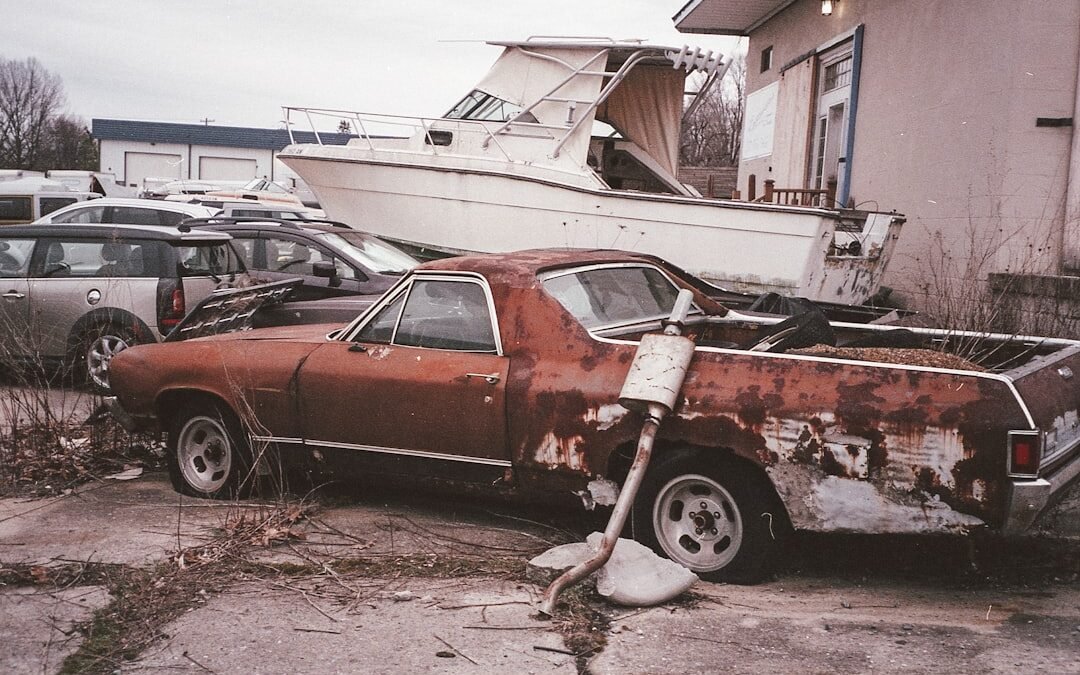
Third party insurance is a type of coverage that protects you against claims made by another party for damages or injuries that you may have caused. In essence, it serves as a safety net, ensuring that if you are found liable for an accident or incident, the financial burden does not fall solely on your shoulders. This type of insurance is commonly associated with vehicle insurance, but it can also apply to various other sectors, including property and liability insurance.
When you hold a third party insurance policy, you are essentially safeguarding yourself against the potential costs that could arise from legal claims or damages inflicted on others. The term “third party” refers to anyone who is not directly involved in a transaction or agreement. In the context of third party insurance, you are the first party (the insured), the insurance company is the second party (the insurer), and the individual or entity making a claim against you is the third party.
This arrangement allows you to navigate the complexities of liability without facing overwhelming financial repercussions. By having this coverage in place, you can drive your vehicle, run your business, or engage in various activities with greater peace of mind, knowing that you have a layer of protection against unforeseen circumstances.
Key Takeaways
- Third party insurance provides coverage for damages or injuries caused to a third party by the policyholder.
- Third party insurance is important as it protects policyholders from financial liabilities and legal consequences.
- Types of third party insurance coverage include liability coverage for bodily injury and property damage, as well as coverage for legal expenses.
- Third party insurance differs from comprehensive insurance in that it only covers damages or injuries to third parties, not the policyholder’s own vehicle or property.
- Legal requirements for third party insurance vary by country and it is important to understand and comply with these requirements.
The Importance of Third Party Insurance
The significance of third party insurance cannot be overstated. It plays a crucial role in protecting your financial interests and ensuring that you are not left vulnerable in the event of an accident or incident. Without this coverage, you could be held personally liable for damages, which may lead to substantial financial losses, legal fees, and even bankruptcy in severe cases.
Moreover, third party insurance is often a legal requirement in many jurisdictions, particularly when it comes to vehicle ownership. This means that not only is it a wise financial decision, but it is also a necessary one to comply with local laws.
Failing to obtain the required coverage can result in penalties, fines, and even the suspension of your driving privileges. By securing third party insurance, you are not only protecting yourself but also contributing to a safer community by ensuring that individuals who suffer losses due to your actions have a means of compensation.
Types of Third Party Insurance Coverage
There are several types of third party insurance coverage available, each designed to address specific needs and circumstances. One of the most common forms is third party liability insurance, which covers damages or injuries that you may cause to another person or their property. This type of coverage is essential for vehicle owners, as it ensures that if you are involved in an accident that results in injury or property damage to another party, your insurance will cover the costs associated with their claims.
Another type of third party insurance is professional indemnity insurance, which is particularly relevant for professionals such as doctors, lawyers, and consultants. This coverage protects you against claims made by clients who allege that your professional services caused them financial loss or harm. In today’s litigious society, having professional indemnity insurance is vital for safeguarding your career and reputation.
Additionally, there are specialized third party policies for businesses that cover various liabilities arising from operations, products, or services provided to clients.
How Third Party Insurance Differs from Comprehensive Insurance
| Aspect | Third Party Insurance | Comprehensive Insurance |
|---|---|---|
| Coverage | Provides coverage for damages to third party property and injury to third parties | Provides coverage for damages to own vehicle as well as third party property and injury to third parties |
| Cost | Generally cheaper | Usually more expensive |
| Optional Add-ons | May have limited optional add-ons | May have more optional add-ons such as roadside assistance, zero depreciation cover, etc. |
| Requirement | Mandatory by law | Optional, but recommended for comprehensive coverage |
While third party insurance provides essential coverage for liabilities arising from damages or injuries caused to others, comprehensive insurance offers a broader scope of protection. Comprehensive insurance typically covers not only third-party liabilities but also damages to your own property resulting from incidents such as theft, vandalism, natural disasters, and accidents that are not your fault. This means that if your vehicle is damaged in a storm or stolen from your driveway, comprehensive insurance would cover those losses.
In contrast, third party insurance focuses solely on protecting you from claims made by others. If you were to cause an accident that resulted in damage to another person’s vehicle or property, your third party insurance would cover their claims. However, if your own vehicle were damaged in the same incident, you would be responsible for covering those costs out of pocket unless you had comprehensive coverage.
Understanding this distinction is crucial when deciding which type of insurance best suits your needs and circumstances.
Understanding the Legal Requirements for Third Party Insurance
Legal requirements for third party insurance vary significantly depending on where you live. In many countries and states, having at least a minimum level of third party liability insurance is mandatory for vehicle owners. This requirement exists to ensure that all drivers can compensate others for damages or injuries they may cause while operating a vehicle.
Failure to comply with these legal obligations can result in severe penalties, including fines and potential legal action. In addition to vehicle insurance requirements, certain professions may also have specific legal mandates regarding third party coverage. For instance, healthcare providers often need malpractice insurance to protect against claims made by patients.
Understanding these legal requirements is essential for both individuals and businesses to avoid potential legal issues and ensure compliance with local regulations.
The Benefits of Third Party Insurance for Businesses

For businesses, third party insurance offers numerous advantages that can significantly impact their operations and overall success. One of the primary benefits is the protection it provides against potential lawsuits arising from accidents or incidents involving clients or customers. If a customer were to sustain an injury on your business premises or if your product caused harm to someone, having third party liability coverage would help cover legal fees and compensation costs.
Additionally, third party insurance can enhance your business’s credibility and reputation. Clients and customers are more likely to trust a business that has adequate insurance coverage in place. It demonstrates a commitment to responsibility and accountability, which can be a deciding factor for potential clients when choosing between competing businesses.
By investing in third party insurance, you not only protect your business financially but also foster trust and confidence among your clientele.
Common Misconceptions about Third Party Insurance
Despite its importance, there are several misconceptions surrounding third party insurance that can lead to confusion among consumers. One common myth is that third party insurance covers all types of damages and losses. In reality, this type of coverage only addresses claims made by others against you; it does not cover damages to your own property or injuries sustained by you in an accident.
Understanding this limitation is crucial when evaluating your insurance needs. Another misconception is that all third party insurance policies are the same. In truth, coverage can vary significantly between providers and policies.
Factors such as limits of liability, exclusions, and additional endorsements can all affect the level of protection offered by a particular policy. It’s essential to thoroughly review policy details and consult with an insurance professional to ensure that you select the right coverage for your specific situation.
How to Choose the Right Third Party Insurance Policy
Choosing the right third party insurance policy requires careful consideration of several factors. First and foremost, assess your individual needs and circumstances. Consider what activities you engage in that may expose you to liability risks—whether it’s driving a vehicle, running a business, or providing professional services.
Understanding these risks will help you determine the level of coverage necessary to protect yourself adequately. Next, compare different policies from various insurers. Look beyond just the premium costs; evaluate the coverage limits, exclusions, and any additional benefits offered by each policy.
Reading customer reviews and seeking recommendations can also provide valuable insights into an insurer’s reputation and reliability. Finally, don’t hesitate to consult with an insurance agent who can guide you through the process and help tailor a policy that meets your specific needs.
The Process of Making a Third Party Insurance Claim
When it comes time to make a claim on your third party insurance policy, understanding the process can help alleviate some stress during what may be a challenging time. The first step typically involves notifying your insurer about the incident as soon as possible. Most insurers have specific timeframes within which claims must be reported; failing to adhere to these timelines could jeopardize your claim.
Once you’ve reported the incident, your insurer will guide you through the next steps, which may include gathering evidence such as photographs of damages or witness statements. They may also require documentation related to any medical treatment if injuries were involved. After submitting all necessary information, the insurer will investigate the claim and determine whether it falls within the policy’s coverage parameters before making a decision on compensation.
Factors that Affect Third Party Insurance Premiums
Several factors influence the premiums associated with third party insurance policies. One significant factor is your personal risk profile; insurers assess how likely you are to file a claim based on factors such as your driving history or professional background. For instance, individuals with clean driving records typically enjoy lower premiums compared to those with multiple accidents or traffic violations.
Additionally, the type of coverage you choose will impact your premium costs. Higher coverage limits generally result in higher premiums since they increase the insurer’s potential payout in case of a claim. Other factors include geographical location—areas with higher accident rates may see increased premiums—and the overall claims history of similar policyholders within your demographic group.
The Future of Third Party Insurance in the Insurance Industry
As we look ahead, the future of third party insurance within the broader insurance industry appears poised for evolution driven by technological advancements and changing consumer expectations. The rise of telematics—devices that monitor driving behavior—has already begun reshaping how insurers assess risk and determine premiums for auto policies. This trend may lead to more personalized pricing models based on individual driving habits rather than generalized statistics.
Moreover, as businesses increasingly operate online and face new types of risks associated with digital transactions and data breaches, there will likely be a growing demand for specialized third party liability coverage tailored to address these emerging challenges.
In conclusion, understanding third party insurance is essential for both individuals and businesses alike.
By recognizing its importance and navigating its complexities effectively, you can protect yourself from potential liabilities while ensuring compliance with legal requirements. As the landscape continues to evolve, staying informed about changes in coverage options and industry trends will empower you to make informed decisions regarding your insurance needs.
If you are interested in learning more about third party insurance, you may want to check out this informative article on 7 Essential Life Insurance Benefits Every Indian Should Know. This article discusses the importance of life insurance and the various benefits it can provide to individuals in India. It is a great resource for understanding the different types of insurance available and how they can protect you and your loved ones.
FAQs
What is third party insurance?
Third party insurance is a type of insurance policy that provides coverage for damages or injuries caused to a third party by the policyholder. It does not cover any damage to the policyholder’s own vehicle or property.
What does third party insurance cover?
Third party insurance typically covers the policyholder’s legal liability for bodily injury or death to a third party, as well as damage to a third party’s property caused by the policyholder’s vehicle.
Is third party insurance mandatory?
In many countries, third party insurance is mandatory for all vehicles on the road. It is a legal requirement to have at least third party insurance in order to drive legally.
How is third party insurance different from comprehensive insurance?
Third party insurance only covers damage or injury to a third party, while comprehensive insurance also covers damage to the policyholder’s own vehicle or property.
Can I add additional coverage to my third party insurance policy?
Some insurance companies may offer optional add-ons to third party insurance policies, such as personal accident cover or legal expenses cover. These add-ons provide additional protection for the policyholder.