
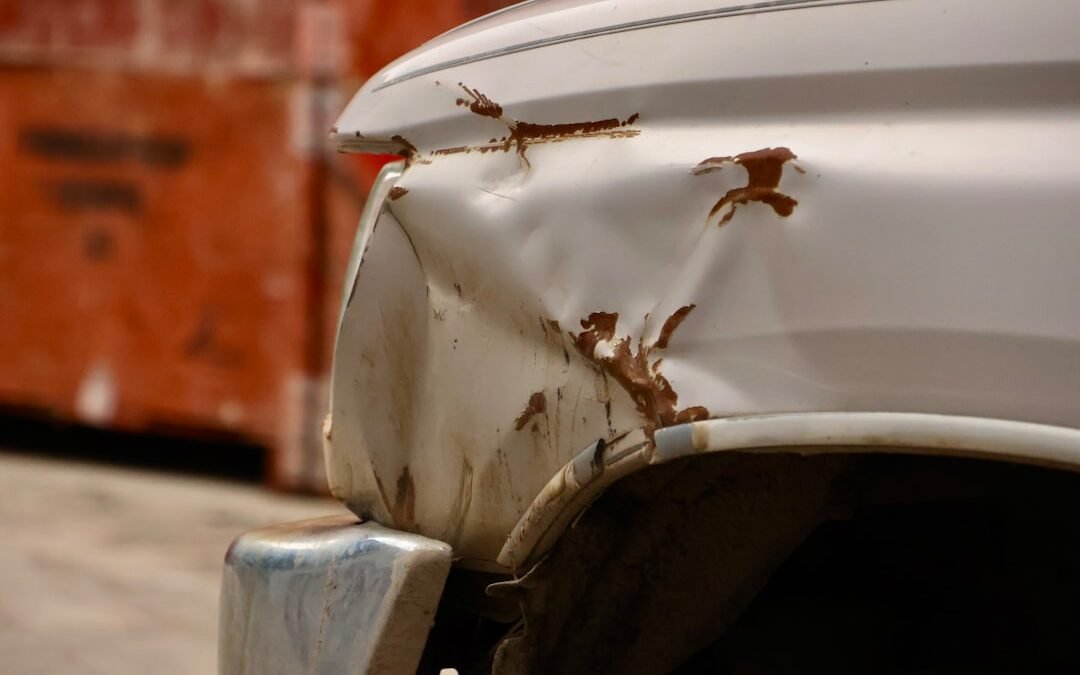
When it comes to protecting your vehicle, understanding the nuances of car insurance is essential. Standalone Own Damage (OD) car insurance is a specific type of coverage that focuses solely on the damages to your own vehicle, rather than third-party liabilities. This form of insurance is particularly appealing to those who want to ensure that their car is safeguarded against accidents, theft, or natural calamities without the added complexities of third-party coverage.
By opting for standalone OD car insurance, you can tailor your policy to meet your specific needs, providing peace of mind as you navigate the roads. In a world where accidents can happen at any moment, having the right insurance coverage is not just a luxury; it’s a necessity. Standalone OD car insurance allows you to take control of your vehicle’s protection.
Unlike comprehensive policies that bundle third-party liability with own damage coverage, standalone OD focuses exclusively on the damages incurred by your vehicle.
This means that you can enjoy a more straightforward approach to insuring your car, ensuring that you are financially protected in the event of an unfortunate incident.Key Takeaways
- Standalone OD car insurance provides coverage for own damage to the insured vehicle without the need for a comprehensive insurance policy.
- Factors affecting premiums include the age and make of the car, the insured declared value (IDV), and the geographical location of the policyholder.
- Exclusions in standalone OD car insurance typically include wear and tear, mechanical or electrical breakdown, and damage due to war or nuclear risks.
- Types of exclusions in standalone OD car insurance also encompass consequential loss, depreciation, and damage caused by a person driving without a valid license.
- Benefits of standalone OD car insurance include cost-effectiveness, flexibility in coverage, and the ability to customize the policy to suit individual needs.
Factors Affecting Premiums
Several factors come into play when determining the premiums for standalone OD car insurance. One of the most significant influences is the make and model of your vehicle. Luxury cars or those with high repair costs typically attract higher premiums due to the increased risk associated with insuring them.
Additionally, the age of your vehicle can also impact your premium; newer cars may have higher values and thus higher premiums, while older vehicles may be less expensive to insure. Your driving history is another critical factor that insurers consider when calculating premiums. If you have a clean driving record with no accidents or claims, you are likely to receive lower premiums compared to someone with a history of accidents or traffic violations.
Insurers view safe drivers as lower risk, which translates into more favorable rates. Furthermore, your location plays a role in premium determination; areas with higher rates of accidents or theft may lead to increased premiums as well.
Understanding Exclusions in Standalone OD Car Insurance
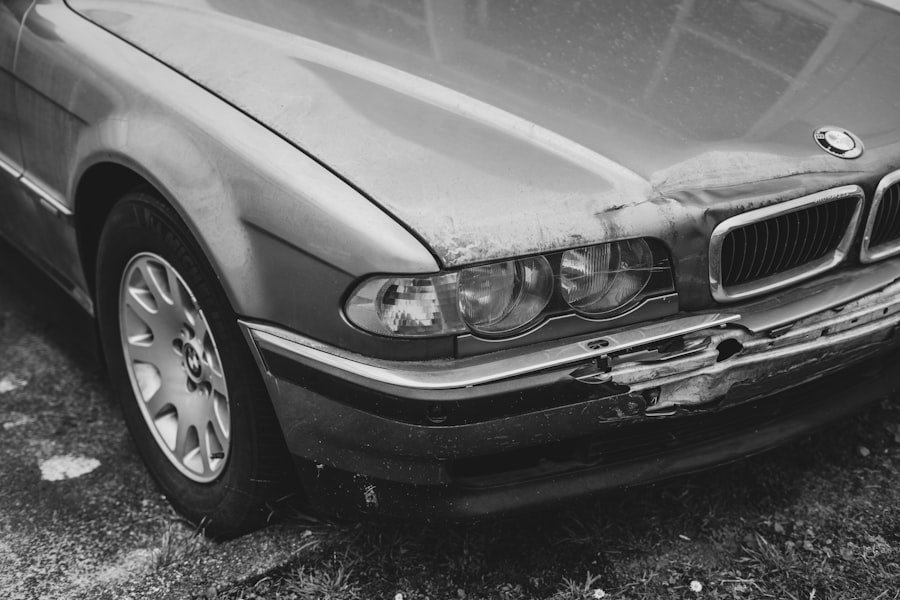
Exclusions in standalone OD car insurance refer to specific situations or conditions under which your policy will not provide coverage. Understanding these exclusions is crucial for any policyholder, as they can significantly affect your financial protection in the event of an accident or damage to your vehicle. Common exclusions include damages resulting from driving under the influence of alcohol or drugs, as well as damages incurred while using the vehicle for illegal activities.
Being aware of these exclusions can help you make informed decisions about your coverage and avoid unpleasant surprises when filing a claim. Another important aspect of exclusions is that they can vary significantly between different insurance providers and policies. Some insurers may have broader exclusions than others, which can impact your overall coverage.
For instance, certain policies may exclude damages caused by natural disasters or acts of God, while others may cover these events under specific conditions. It’s essential to read the fine print and understand what is and isn’t covered in your policy to ensure that you are adequately protected.
Types of Exclusions in Standalone OD Car Insurance
| Exclusion Type | Description |
|---|---|
| Wear and Tear | Damage due to normal wear and tear of the vehicle is not covered. |
| Consequential Loss | Any loss or damage that is a consequence of a covered peril is excluded. |
| Illegal Activities | Any damage or loss resulting from illegal activities or driving under the influence is not covered. |
| Unapproved Modifications | Any damage caused by unapproved modifications to the vehicle is excluded from coverage. |
There are various types of exclusions that you should be aware of when considering standalone OD car insurance. One common type is related to driver behavior. If you allow someone else to drive your vehicle who is not listed on your policy, any damages incurred during their use may not be covered.
This exclusion emphasizes the importance of ensuring that all potential drivers are included in your policy to avoid complications during a claim. Another prevalent exclusion pertains to mechanical failures or wear and tear. Standalone OD car insurance typically does not cover damages resulting from mechanical breakdowns or regular maintenance issues.
This means that if your vehicle suffers damage due to a lack of maintenance or a mechanical failure, you will likely be responsible for the repair costs out of pocket. Understanding this exclusion can help you prioritize regular maintenance and inspections to keep your vehicle in optimal condition.
Benefits of Standalone OD Car Insurance
One of the primary benefits of standalone OD car insurance is its focus on protecting your own vehicle without the complexities of third-party liability coverage. This allows you to have a clear understanding of what is covered and what isn’t, making it easier for you to manage your insurance needs. With standalone OD coverage, you can rest assured that if your vehicle is damaged due to an accident, theft, or natural disaster, you will receive compensation for repairs or replacement.
Additionally, standalone OD car insurance often comes with customizable options that allow you to tailor your policy according to your specific requirements. You can choose different deductibles and coverage limits based on your budget and risk tolerance. This flexibility enables you to find a balance between adequate protection and affordability, ensuring that you are not overpaying for coverage that exceeds your needs.
Tips for Lowering Premiums
If you’re looking to lower your premiums for standalone OD car insurance, there are several strategies you can employ. One effective approach is to increase your deductible. By opting for a higher deductible, you can reduce your premium costs significantly.
However, it’s essential to ensure that you can comfortably afford the deductible amount in case you need to file a claim. Another way to lower your premiums is by taking advantage of discounts offered by insurers. Many companies provide discounts for safe driving records, bundling multiple policies, or even for being a member of certain organizations.
It’s worth researching and asking about available discounts when shopping for insurance quotes, as these can lead to substantial savings over time.
Common Misconceptions about Standalone OD Car Insurance
There are several misconceptions surrounding standalone OD car insurance that can lead to confusion among potential policyholders. One common myth is that standalone OD coverage is unnecessary if one already has comprehensive insurance. While comprehensive policies do offer broader protection, standalone OD focuses specifically on damages to your own vehicle, which can be beneficial if you want more tailored coverage without third-party liability.
Another misconception is that standalone OD car insurance covers all types of damages without exception. In reality, as discussed earlier, there are specific exclusions that apply to this type of policy. Many people assume that their policy will cover any damage incurred while driving their vehicle; however, understanding the limitations and exclusions is crucial for making informed decisions about your coverage.
Making Informed Decisions about Standalone OD Car Insurance
In conclusion, standalone OD car insurance offers a unique approach to protecting your vehicle by focusing solely on damages incurred by your own car. By understanding the factors affecting premiums, the types of exclusions involved, and the benefits this type of coverage provides, you can make informed decisions about your insurance needs. It’s essential to take the time to research different policies and providers to find the best fit for your situation.
As you navigate the complexities of car insurance, remember that knowledge is power. By arming yourself with information about standalone OD car insurance and its intricacies, you can ensure that you are adequately protected while also finding ways to save on premiums. Ultimately, making informed decisions will lead to greater peace of mind as you drive confidently on the road ahead.
When considering own damage car insurance in India, it’s essential to understand the nuances of stand-alone OD coverage, including premium exclusions. This type of insurance specifically covers damages to your vehicle, offering protection against unforeseen incidents. However, it’s crucial to be aware of what is not covered under these policies to avoid unexpected expenses. For those interested in broader insurance topics, you might find it useful to explore related areas such as commercial vehicle insurance. A detailed discussion on this can be found in the article Understanding Commercial Vehicle Insurance Regulations in India, which provides insights into the regulatory framework and coverage specifics for commercial vehicles.
FAQs
What is own damage car insurance in India?
Own damage (OD) car insurance in India provides coverage for damages to your own vehicle due to accidents, theft, natural disasters, and other perils. It is different from third-party car insurance, which covers damages to other vehicles and property.
What is stand-alone OD coverage?
Stand-alone OD coverage is a type of car insurance policy that only provides own damage coverage without including third-party coverage. This type of policy is suitable for those who already have third-party coverage or for vehicles that are not required by law to have third-party coverage.
How is the premium for own damage car insurance calculated in India?
The premium for own damage car insurance in India is calculated based on factors such as the make and model of the car, the age of the car, the geographical location, the insured declared value (IDV) of the car, and the add-on covers selected by the policyholder.
What are the exclusions of own damage car insurance in India?
Exclusions of own damage car insurance in India may include damages due to driving under the influence of alcohol or drugs, regular wear and tear, mechanical or electrical breakdown, consequential losses, and damages incurred outside the geographical area covered by the policy. It is important to carefully read the policy document to understand the specific exclusions.