
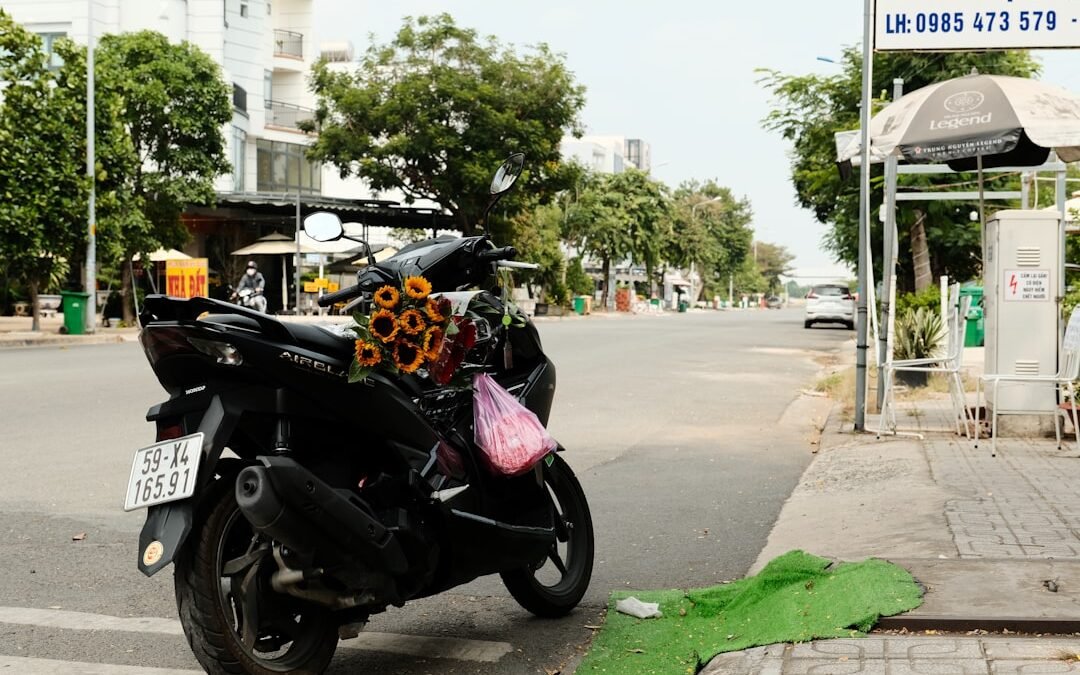
When you own a two-wheeler, understanding the nuances of accident insurance becomes essential. This type of insurance is designed to protect you financially in the event of an accident, covering damages to your vehicle, medical expenses, and even third-party liabilities. As a rider, you face unique risks on the road, and having the right insurance can provide peace of mind.
It’s not just about compliance with legal requirements; it’s about safeguarding your well-being and financial stability. Two-wheeler accident insurance typically includes various components, such as coverage for theft, damage due to accidents, and personal injury protection. You may also find options for comprehensive coverage that extends beyond accidents to include natural disasters or vandalism.
Understanding these elements allows you to tailor your policy to fit your specific needs, ensuring that you are adequately protected in any situation.
Key Takeaways
- Two-wheeler accident insurance provides financial protection in the event of an accident involving a motorcycle or scooter.
- Wearing a helmet is crucial for reducing the risk of head injuries and fatalities in two-wheeler accidents.
- Some insurance companies offer discounts on premiums for wearing helmets while riding.
- Safety features such as anti-lock braking systems and airbags can lower insurance premiums for two-wheelers.
- Comparing insurance companies is important to find the best policy with helmet discounts and safety feature premium reductions.
Importance of Wearing Helmets
Wearing a helmet while riding a two-wheeler is not just a legal obligation in many places; it is a critical safety measure that can save your life. Helmets are designed to absorb impact and protect your head in the event of an accident. The statistics are compelling: studies show that wearing a helmet can reduce the risk of head injuries by up to 70%.
As a rider, you owe it to yourself and your loved ones to prioritize safety by donning a helmet every time you hit the road. Moreover, wearing a helmet can significantly influence your insurance premiums. Many insurance companies recognize the correlation between helmet use and reduced risk of severe injuries.
By making the conscious choice to wear a helmet, you not only enhance your safety but also position yourself favorably when it comes to insurance costs. This dual benefit underscores the importance of adopting safe riding practices.
Helmet Discounts in Two-Wheeler Accident Insurance
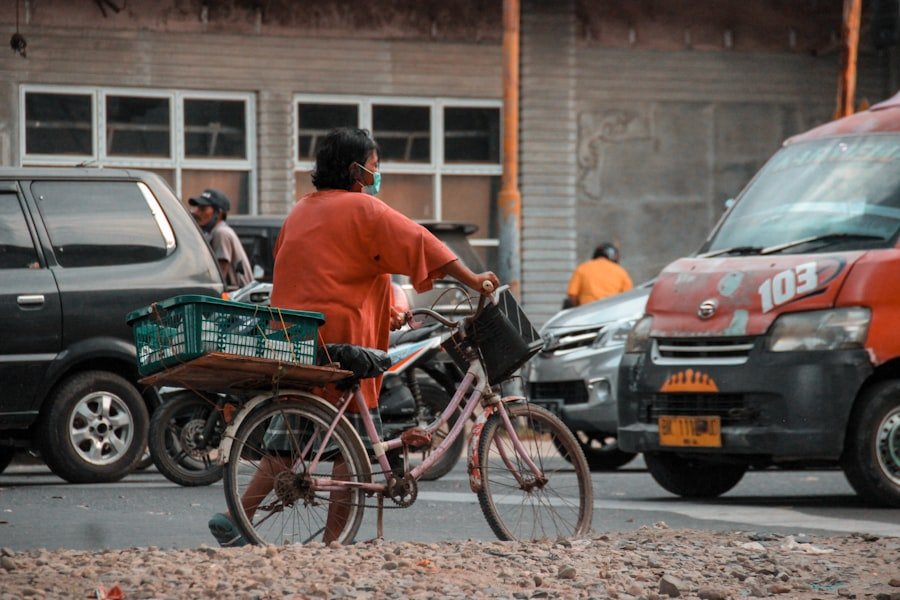
One of the most appealing aspects of two-wheeler accident insurance is the potential for helmet discounts. Many insurers offer premium reductions for riders who consistently wear helmets. This incentive serves as a recognition of your commitment to safety and responsible riding.
By wearing a helmet, you demonstrate that you are taking proactive steps to minimize risks, which can lead to lower insurance costs. These discounts can vary significantly from one insurance provider to another. Some companies may offer a flat percentage off your premium, while others might provide tiered discounts based on your riding history or the type of helmet you use.
It’s essential to inquire about these discounts when shopping for insurance, as they can lead to substantial savings over time. By understanding how helmet discounts work, you can make informed decisions that benefit both your safety and your wallet.
Safety Features in Two-Wheeler Insurance
In addition to helmet discounts, many two-wheeler insurance policies include provisions for various safety features that can enhance your coverage. These features may encompass advanced braking systems, anti-lock braking systems (ABS), and even GPS tracking devices. Each of these elements contributes to reducing the likelihood of accidents and can be a significant factor in determining your insurance premium.
Insurance companies are increasingly recognizing the value of these safety features.
Understanding which safety features are recognized by insurers can help you make informed choices when purchasing or upgrading your vehicle.
Premium Reductions for Safety Features
The integration of safety features into your two-wheeler can lead to premium reductions that make insurance more affordable. Insurers often reward riders who invest in safety technology because it demonstrates a commitment to reducing risk. For instance, if your bike is equipped with ABS or traction control, you may qualify for lower premiums due to the decreased likelihood of accidents.
These premium reductions can vary widely among insurance providers, so it’s crucial to shop around and compare offers. Some companies may provide more substantial discounts for specific safety features than others. By taking the time to research and understand these options, you can maximize your savings while ensuring that you have comprehensive coverage.
Types of Safety Features that Qualify for Premium Reductions
When considering which safety features might qualify for premium reductions, it’s essential to be aware of the most commonly recognized technologies. Anti-lock braking systems (ABS) are among the most significant features that insurers look for, as they help prevent wheel lock-up during sudden stops. Additionally, features like traction control systems and advanced lighting systems can also contribute to safer riding conditions.
Other safety enhancements may include built-in alarms or immobilizers that deter theft, as well as GPS tracking systems that assist in recovering stolen vehicles. Each of these features not only enhances your safety but also signals to insurers that you are taking steps to mitigate risks. By investing in these technologies, you position yourself favorably in the eyes of insurance providers.
How to Qualify for Helmet Discounts and Safety Feature Premium Reductions
Qualifying for helmet discounts and premium reductions for safety features typically involves a few straightforward steps. First and foremost, ensure that you are consistently wearing a certified helmet while riding. Many insurers require proof of helmet use, so keeping documentation or receipts may be beneficial.
Next, consider upgrading your two-wheeler with recognized safety features. When shopping for insurance, be sure to inform potential providers about any advanced technologies installed on your bike. They will often require documentation or proof of installation but doing so can lead to significant savings on your premiums.
By being proactive about both helmet use and safety features, you can maximize your benefits from your insurance policy.
Benefits of Helmet Discounts and Safety Feature Premium Reductions
The benefits of helmet discounts and premium reductions for safety features extend beyond mere financial savings. By actively participating in safe riding practices, you contribute to a culture of safety on the roads. This not only protects you but also helps create a safer environment for all road users.
Additionally, lower premiums mean more money in your pocket that can be allocated toward other essential expenses or even saved for future investments. The peace of mind that comes from knowing you are adequately insured while also being rewarded for safe practices is invaluable. Ultimately, these benefits create a win-win situation where both riders and insurers thrive.
Comparing Insurance Companies for Helmet Discounts and Safety Feature Premium Reductions
When it comes to selecting an insurance provider, comparing different companies is crucial in finding the best deals on helmet discounts and premium reductions for safety features. Not all insurers offer the same incentives or discounts, so taking the time to research various options can pay off significantly. Start by gathering quotes from multiple providers and asking specific questions about their policies regarding helmet use and recognized safety features.
Look for customer reviews and ratings that highlight their experiences with claims processes and customer service. This information will help you make an informed decision about which company aligns best with your needs and offers the most competitive rates.
Tips for Choosing the Right Two-Wheeler Accident Insurance Policy
Choosing the right two-wheeler accident insurance policy involves careful consideration of several factors. First, assess your riding habits and determine what level of coverage is necessary based on how often you ride and the conditions in which you typically travel. If you frequently ride in urban areas with heavy traffic, comprehensive coverage may be more beneficial.
Next, evaluate the available discounts for helmet use and safety features when comparing policies. Look for insurers that prioritize rider safety and offer substantial incentives for responsible behavior. Additionally, consider the claims process; an insurer with a reputation for efficient claims handling can save you time and stress in the event of an accident.
Ensuring Safety and Savings with Helmet Discounts and Safety Feature Premium Reductions
In conclusion, understanding two-wheeler accident insurance is vital for every rider looking to protect themselves on the road while also saving money. By prioritizing helmet use and investing in recognized safety features, you not only enhance your personal safety but also unlock potential discounts on your premiums. The relationship between safe riding practices and financial benefits is clear; by making informed choices about your insurance policy, you can ensure both protection and savings.
As you navigate the world of two-wheeler insurance, remember that knowledge is power. Take the time to research different providers, understand their offerings regarding helmet discounts and safety feature reductions, and choose a policy that aligns with your needs. Ultimately, by prioritizing safety and being proactive about your insurance choices, you can enjoy peace of mind while riding confidently on the open road.
In the realm of insurance, particularly when it comes to two-wheeler accident insurance, the integration of safety features and the provision of helmet discounts are pivotal in enhancing rider safety and reducing premium costs. An insightful article that complements this topic is 5 Compelling Reasons: Importance of Health Insurance in India. This article delves into the broader spectrum of insurance benefits, emphasizing the critical role of health insurance in safeguarding individuals against unforeseen medical expenses. By drawing parallels between health and two-wheeler accident insurance, it becomes evident how preventive measures and safety incentives can significantly impact both personal well-being and financial security.
FAQs
What is two-wheeler accident insurance?
Two-wheeler accident insurance is a type of insurance policy that provides coverage for damages and injuries resulting from accidents involving motorcycles, scooters, and other two-wheeled vehicles.
What are helmet discounts in two-wheeler accident insurance?
Helmet discounts are incentives offered by insurance companies to policyholders who wear helmets while riding their two-wheelers. Policyholders may be eligible for reduced premiums or other benefits for practicing safe riding habits.
What are safety feature premium reductions in two-wheeler accident insurance?
Safety feature premium reductions are discounts provided by insurance companies to policyholders who have installed safety features on their two-wheelers, such as anti-lock braking systems (ABS), airbags, or other advanced safety technologies. These discounts are aimed at promoting safer riding practices and reducing the risk of accidents.
How do helmet discounts and safety feature premium reductions benefit policyholders?
Helmet discounts and safety feature premium reductions can benefit policyholders by lowering their insurance premiums, making coverage more affordable. Additionally, these incentives encourage the use of safety equipment and technologies, ultimately promoting safer riding habits and reducing the likelihood of accidents.