
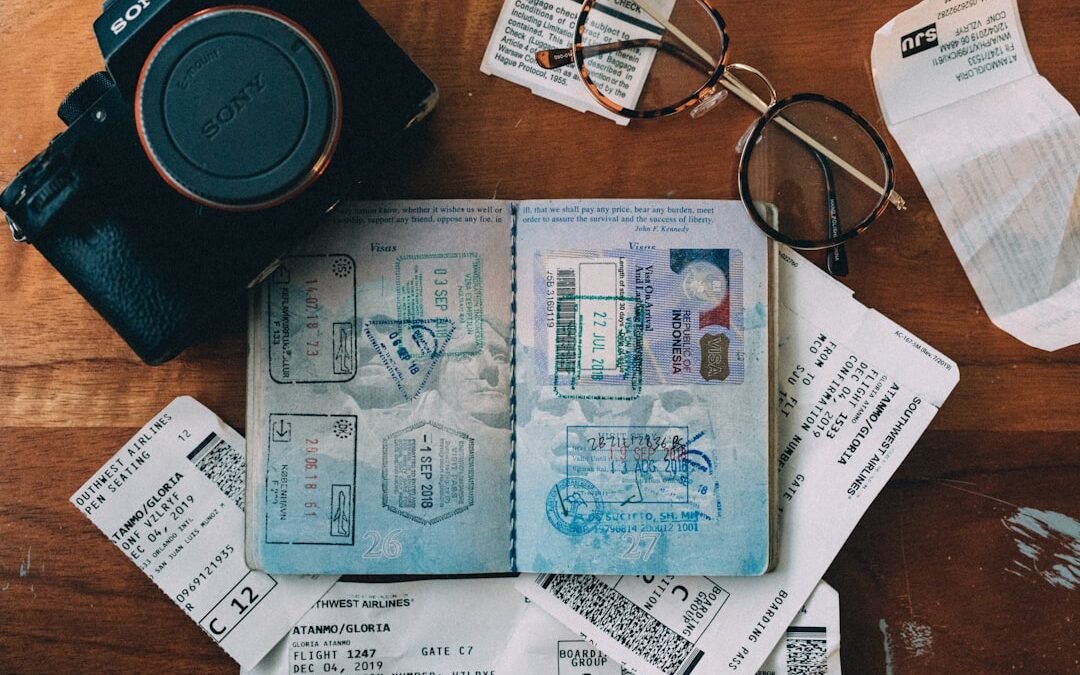
When you embark on a journey, the last thing on your mind is the possibility of needing to file a travel insurance claim. However, understanding the travel insurance claim process is crucial for ensuring that you are prepared for any unexpected events. The process typically begins when an incident occurs that is covered by your policy, such as trip cancellations, medical emergencies, or lost luggage.
You must familiarize yourself with the specific terms and conditions of your policy, as each insurer may have different requirements and procedures. Once you recognize that you need to file a claim, the first step is to notify your insurance provider as soon as possible. This prompt communication is essential, as many policies require you to report incidents within a specific timeframe.
You will also need to gather relevant information about the incident, including dates, locations, and any other pertinent details. By understanding the claim process in advance, you can navigate it more efficiently and reduce stress during an already challenging time.
Key Takeaways
- Understanding the Travel Insurance Claim Process
- Necessary Documentation for Filing a Travel Insurance Claim
- Tips for a Smooth Reimbursement Process
- How to Submit Your Travel Insurance Claim
- What to Expect After Submitting Your Claim
Necessary Documentation for Filing a Travel Insurance Claim
To successfully file a travel insurance claim, you will need to compile a variety of documentation that supports your case. This documentation serves as evidence of your loss or the circumstances surrounding your claim. Commonly required documents include receipts for expenses incurred due to cancellations or delays, medical reports if you sought treatment while traveling, and any correspondence with service providers related to your claim.
In addition to these documents, it’s wise to keep a record of your travel itinerary and any communication with your travel provider. This information can help substantiate your claim and provide context for the situation. By being thorough in your documentation, you increase the likelihood of a smooth claims process and ensure that you have all necessary evidence at hand when submitting your claim.
Tips for a Smooth Reimbursement Process

To facilitate a smooth reimbursement process, organization is key. Start by creating a dedicated folder—either physical or digital—where you can store all relevant documents related to your claim. This includes receipts, correspondence with your insurance provider, and any other supporting materials.
Having everything in one place will save you time and reduce frustration when it comes time to submit your claim. Another important tip is to maintain clear communication with your insurance provider throughout the process. Don’t hesitate to reach out if you have questions or need clarification on any aspect of your claim.
Keeping a record of all interactions, including dates and names of representatives you speak with, can also be beneficial should any disputes arise later on. By being proactive and organized, you can help ensure that your reimbursement process goes as smoothly as possible.
How to Submit Your Travel Insurance Claim
Submitting your travel insurance claim can often be done online, via email, or through traditional mail, depending on your insurer’s preferences.
Most companies provide a claims form that you will need to fill out accurately and completely. Be sure to double-check all information before submission; errors or omissions can lead to delays or even denials of your claim.Once you have completed the claims form and gathered all necessary documentation, submit everything according to your insurer’s guidelines. If submitting online, ensure that all files are in the correct format and that you receive confirmation of receipt. If mailing your claim, consider using a trackable service to ensure it arrives safely.
Taking these steps will help you stay informed about the status of your claim and provide peace of mind during the waiting period.
What to Expect After Submitting Your Claim
After submitting your travel insurance claim, it’s natural to feel anxious about the outcome. Typically, insurers will acknowledge receipt of your claim within a few days. From there, they will begin their review process, which may take anywhere from a few days to several weeks, depending on the complexity of your case and the insurer’s workload.
During this time, be prepared for potential follow-up requests from your insurance provider. They may require additional documentation or clarification on certain aspects of your claim. Staying responsive and cooperative can help expedite the review process.
Once a decision has been made, you will receive notification regarding whether your claim has been approved or denied, along with details about any reimbursement amount.
Common Reasons for Travel Insurance Claim Denials

Understanding common reasons for travel insurance claim denials can help you avoid pitfalls when filing your own claim. One frequent reason is failure to provide adequate documentation. Insurers require specific evidence to support claims; without it, they may deny your request outright.
It’s essential to keep thorough records and submit all necessary documents when filing. Another common reason for denial is filing a claim for an event not covered by your policy. Each travel insurance policy has its own exclusions and limitations; familiarizing yourself with these details can save you time and frustration later on.
Additionally, claims submitted after the required timeframe may also be denied, so it’s crucial to act promptly when an incident occurs.
The Importance of Emergency Contact Information
Having emergency contact information readily available while traveling is vital for ensuring that you can access assistance when needed. This information should include not only contacts for family or friends back home but also details for local emergency services and your travel insurance provider. In case of an emergency, knowing who to call can make all the difference in receiving timely help.
Moreover, it’s wise to share this information with someone who is not traveling with you. This way, if something happens and you are unable to communicate effectively, someone else can step in and assist in reaching out for help or filing claims on your behalf. Being prepared with emergency contact information can provide peace of mind during your travels.
What to Do in Case of an Emergency While Traveling
In the event of an emergency while traveling, staying calm is crucial. Your first step should be to assess the situation and determine whether immediate medical attention or assistance is required. If so, contact local emergency services right away.
If you’re in a foreign country, knowing how to communicate effectively with local authorities can be invaluable. After addressing immediate concerns, reach out to your travel insurance provider as soon as possible. They can guide you through the next steps and inform you about what documentation will be necessary for filing a claim later on.
Keeping them informed not only helps with potential claims but also ensures that you receive any assistance they may offer during emergencies.
How to Expedite Your Travel Insurance Claim
If you’re eager to expedite your travel insurance claim, there are several strategies you can employ. First and foremost, ensure that all documentation is complete and accurate before submission. Double-checking forms and receipts can prevent unnecessary delays caused by missing information.
Additionally, maintaining open lines of communication with your insurer can help speed up the process. If they request further information or clarification, respond promptly to avoid prolonging the review period. Some insurers also offer expedited processing options for urgent claims; inquire about these possibilities when filing.
Understanding the Reimbursement Process
The reimbursement process can vary significantly between different travel insurance providers, but generally follows a similar structure once your claim is approved. After approval, you will receive notification detailing the amount that will be reimbursed and how long it will take for funds to be disbursed. Typically, reimbursements are issued via check or direct deposit into your bank account.
It’s important to keep track of this timeline so that you know when to expect funds. If there are delays beyond what was communicated by your insurer, don’t hesitate to follow up for updates on the status of your reimbursement.
Tips for Choosing the Right Travel Insurance Policy
Choosing the right travel insurance policy requires careful consideration of several factors tailored to your specific needs. Start by evaluating what types of coverage are most important for your trip—whether it’s medical coverage, trip cancellation protection, or coverage for lost belongings. Understanding what risks are most relevant to your travel plans will help guide your decision-making process.
Additionally, compare policies from different providers not only based on price but also on coverage limits and exclusions. Reading customer reviews can provide insight into how well insurers handle claims and customer service issues. By taking the time to research thoroughly and select a policy that aligns with your travel needs, you can enjoy greater peace of mind during your adventures.
In conclusion, navigating the world of travel insurance claims may seem daunting at first glance; however, with proper preparation and understanding of the processes involved, you can significantly ease any potential stress associated with unexpected events during your travels. By familiarizing yourself with necessary documentation, maintaining clear communication with insurers, and being proactive in emergencies, you’ll be well-equipped to handle whatever challenges come your way while exploring new destinations.
When navigating the complexities of the travel insurance claim process, understanding the necessary documentation, reimbursement procedures, and emergency contact protocols is crucial for a smooth experience. For those interested in broadening their knowledge of insurance, a related article that might be of interest is “7 Key Advantages of Life Insurance: Why Every Indian Needs It.” This article provides valuable insights into the benefits of life insurance, which can complement your understanding of travel insurance by highlighting the importance of being prepared for unforeseen events. You can read more about it by visiting the following link: 7 Key Advantages of Life Insurance: Why Every Indian Needs It.
FAQs
What is travel insurance?
Travel insurance is a type of insurance that provides coverage for unexpected events and emergencies that may occur while traveling, such as trip cancellations, medical emergencies, lost luggage, and more.
What is the travel insurance claim process?
The travel insurance claim process typically involves notifying the insurance company of the incident, providing documentation to support the claim, and waiting for the claim to be processed and reimbursed.
What documentation is required for a travel insurance claim?
The documentation required for a travel insurance claim may include a claim form, proof of travel and insurance coverage, receipts for expenses incurred, police reports (in case of theft or loss), medical records (in case of medical emergencies), and any other relevant documentation related to the incident.
How is reimbursement handled in a travel insurance claim?
Reimbursement for a travel insurance claim is typically processed by the insurance company after the claim has been approved. The insured will receive the reimbursed amount either through direct deposit, check, or other agreed-upon methods.
What is an emergency contact guide in travel insurance?
An emergency contact guide in travel insurance is a list of important contact information for the insured to use in case of emergencies while traveling, such as the contact information for the insurance company, local emergency services, hospitals, and other relevant contacts.