
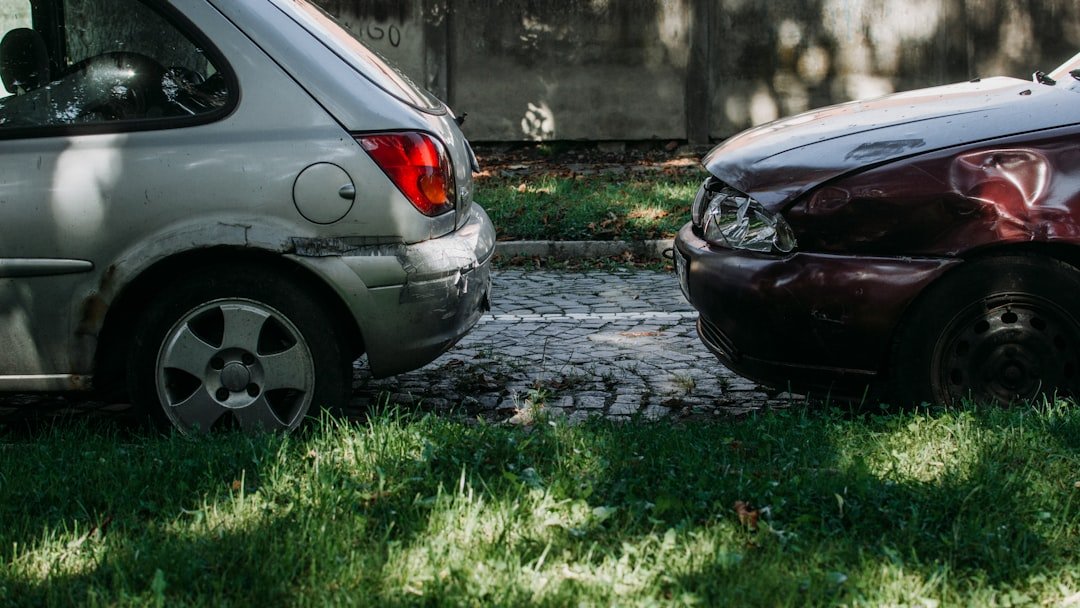
In India, third party motor insurance is a mandatory requirement for all vehicle owners. This type of insurance provides coverage for damages or injuries caused to a third party in the event of an accident involving your vehicle. It is designed to protect the interests of individuals who may suffer losses due to the negligence of another driver.
As a vehicle owner, you must understand the implications of third party motor insurance claims, as they play a crucial role in ensuring that victims receive compensation for their losses. When an accident occurs, the victim can file a claim against the insurance policy of the at-fault driver. This process is essential for ensuring that those affected by road accidents receive the necessary financial support for medical expenses, property damage, and other related costs.
Understanding the nuances of third party motor insurance claims can empower you to navigate the complexities of the legal and insurance systems effectively. It is vital to be aware of your rights and responsibilities as both a policyholder and a potential claimant.
Key Takeaways
- Third party motor insurance in India covers damages or injuries caused to others by the insured vehicle.
- Victims have legal rights to claim compensation from the insurance company of the at-fault vehicle.
- Filing a claim involves submitting necessary documents and proof of the accident to the insurer.
- Insurance companies play a crucial role in assessing claims and providing timely compensation.
- Legal assistance is important to navigate challenges and ensure fair settlement for claim victims.
Legal Rights of the Third Party Motor Insurance Claim Victim
As a victim of a motor vehicle accident, you possess specific legal rights that are designed to protect you and ensure that you receive fair compensation for your injuries and losses. One of your primary rights is the ability to file a claim against the at-fault driver’s insurance policy. This right is enshrined in the Motor Vehicles Act, which mandates that all vehicles must carry third party insurance.
This legal framework ensures that victims are not left to bear the financial burden of accidents caused by others. Additionally, you have the right to seek compensation for various damages, including medical expenses, loss of income, pain and suffering, and property damage. It is essential to document all relevant evidence, such as medical reports, police reports, and witness statements, to support your claim effectively.
Understanding these rights can empower you to advocate for yourself during the claims process and ensure that you receive the compensation you deserve.
Filing a Third Party Motor Insurance Claim in India
Filing a third party motor insurance claim in India involves several steps that you must follow to ensure a smooth process. First and foremost, it is crucial to report the accident to the police and obtain a copy of the FIR (First Information Report). This document serves as an official record of the incident and is often required by insurance companies when processing claims.
You should also gather all relevant evidence, including photographs of the accident scene, details of witnesses, and any medical reports related to your injuries. Once you have compiled all necessary documentation, you can initiate the claims process by contacting the at-fault driver’s insurance company. You will need to submit a formal claim application along with supporting documents.
It is advisable to keep copies of all correspondence with the insurance company for your records. The insurer will then investigate the claim, which may involve assessing liability and determining the extent of damages. Being proactive and organized during this process can significantly enhance your chances of a successful claim.
Role of the Insurance Company in Third Party Motor Insurance Claims
The insurance company plays a pivotal role in third party motor insurance claims, acting as an intermediary between the claimant and the at-fault driver. When you file a claim, the insurer is responsible for investigating the circumstances surrounding the accident and determining liability. This process often involves reviewing police reports, witness statements, and any other relevant evidence to ascertain who was at fault.
Once liability is established, the insurance company will assess the damages incurred by the victim. This assessment includes evaluating medical expenses, property damage, and any other losses related to the accident. The insurer will then negotiate a settlement amount with the victim or their legal representative.
It is essential to understand that while insurance companies aim to settle claims fairly, they may also seek to minimize payouts. Therefore, being well-informed about your rights and entitlements can help you navigate negotiations more effectively.
Legal Process for Resolving Third Party Motor Insurance Claims in India
| Metric | Description | Typical Value/Range | Notes |
|---|---|---|---|
| Average Claim Processing Time | Time taken from claim filing to settlement | 30-45 days | Varies by insurer and complexity of case |
| Claim Settlement Ratio | Percentage of claims settled against claims received | 85%-95% | Higher ratio indicates better insurer reliability |
| Maximum Compensation Limit | Legal cap on third party liability compensation | ₹7.5 lakh (for death/injury) | As per Motor Vehicles Act and amendments |
| Filing Time Limit | Time limit to file a third party claim | 2 years from date of accident | Claims filed after this period may be rejected |
| Legal Fees Range | Typical legal expenses for claim processing | ₹5,000 – ₹50,000 | Depends on case complexity and lawyer |
| Average Compensation Amount | Typical compensation awarded in third party claims | ₹1 lakh – ₹5 lakh | Varies based on injury severity and damages |
| Number of Third Party Claims (Annual) | Estimated number of third party claims filed yearly | Approx. 1 million | Includes all motor vehicles across India |
| Common Dispute Reasons | Frequent causes for claim rejection or delay | Non-filing of FIR, insufficient evidence, policy lapses | Proper documentation reduces disputes |
If negotiations with the insurance company do not yield satisfactory results, you may need to pursue legal action to resolve your third party motor insurance claim. The legal process typically begins with filing a claim in a Motor Accident Claims Tribunal (MACT).
In this legal setting, you will present your case before a judge, providing evidence and testimony to support your claim for compensation. The tribunal will evaluate all aspects of the case, including liability and damages, before rendering a decision. It is crucial to have legal representation during this process, as navigating the complexities of legal proceedings can be challenging without professional guidance.
Understanding the legal framework surrounding third party motor insurance claims can empower you to pursue justice effectively.
Compensation for Third Party Motor Insurance Claim Victims
Compensation for third party motor insurance claim victims can vary significantly based on several factors, including the severity of injuries sustained, medical expenses incurred, and loss of income due to inability to work. In general, victims are entitled to compensation for both economic and non-economic damages. Economic damages encompass tangible losses such as medical bills, rehabilitation costs, and lost wages, while non-economic damages refer to intangible losses like pain and suffering or emotional distress.
To ensure that you receive fair compensation, it is essential to document all expenses related to your injuries meticulously. This documentation may include medical bills, receipts for treatments, and proof of lost income due to time off work. Additionally, seeking legal advice can help you understand how to quantify non-economic damages effectively.
By being well-prepared and informed about potential compensation amounts, you can advocate for yourself more effectively during negotiations or legal proceedings.
Challenges Faced by Third Party Motor Insurance Claim Victims in India
Despite having legal rights and avenues for compensation, third party motor insurance claim victims in India often face numerous challenges throughout the claims process. One significant hurdle is dealing with insurance companies that may attempt to minimize payouts or deny claims altogether. Insurers may employ various tactics to dispute liability or downplay the extent of damages sustained by victims.
Another challenge is navigating the legal system itself. Many victims may feel overwhelmed by the complexities of filing claims in court or dealing with legal procedures in a Motor Accident Claims Tribunal. The lack of awareness about legal rights and processes can further complicate matters for victims seeking justice.
Understanding these challenges can help you prepare better and seek appropriate support when pursuing your claim.
Importance of Seeking Legal Assistance for Third Party Motor Insurance Claims
Given the complexities involved in third party motor insurance claims, seeking legal assistance is often crucial for victims aiming to secure fair compensation. A qualified attorney specializing in motor vehicle accidents can provide invaluable guidance throughout the claims process. They can help you understand your rights, gather necessary evidence, and navigate negotiations with insurance companies effectively.
Moreover, having legal representation can significantly enhance your chances of success in court if negotiations fail. An experienced lawyer will be familiar with local laws and procedures related to motor accident claims and can advocate on your behalf during hearings or trials. By enlisting professional help, you can alleviate some of the stress associated with pursuing a claim while ensuring that your interests are adequately represented throughout the process.
In conclusion, understanding third party motor insurance claims in India is essential for both victims and policyholders alike. By being informed about your rights and responsibilities, navigating the claims process becomes more manageable. Whether you are filing a claim or seeking compensation as a victim, knowing when to seek legal assistance can make all the difference in achieving a favorable outcome.
When navigating the complexities of third-party motor insurance claims in India, it’s essential to understand the broader context of vehicle insurance. A related article that provides valuable insights is about the importance of 4-wheeler insurance, which highlights the necessity of having adequate coverage to protect against potential liabilities. You can read more about it in this article: in/the-importance-of-4-wheeler-insurance/’>The Importance of 4-Wheeler Insurance.
This resource can help you grasp the significance of insurance in mitigating risks associated with motor vehicle ownership and operation.
FAQs
What is third party motor insurance in India?
Third party motor insurance in India is a mandatory insurance policy that covers the legal liability of the vehicle owner for any injury, death, or property damage caused to a third party in a motor vehicle accident. It does not cover the insured’s own damages or injuries.
Who can file a third party motor insurance claim?
A third party motor insurance claim can be filed by the person who has suffered injury, death, or property damage due to the insured vehicle. This can be the victim or their legal heirs in case of death.
What is the legal process for filing a third party motor insurance claim in India?
The legal process generally involves informing the insurance company about the accident, submitting a claim form along with necessary documents such as FIR, medical reports, and proof of damage, and cooperating with the insurer during investigation. If the claim is disputed, the matter may be taken to the Motor Accident Claims Tribunal (MACT) for resolution.
Is it mandatory to have third party motor insurance in India?
Yes, under the Motor Vehicles Act, 1988, it is mandatory for all vehicle owners in India to have at least third party motor insurance before operating their vehicle on public roads.
What documents are required to file a third party motor insurance claim?
Commonly required documents include the insurance policy copy, FIR or police report, driving license of the insured, vehicle registration certificate, medical reports or bills, and proof of damage or loss.
How long does it take to settle a third party motor insurance claim?
The settlement time varies depending on the complexity of the case, but insurers are generally required to process claims within 30 days of receiving all necessary documents. Legal disputes can extend this timeline.
Can a third party claim be rejected by the insurer?
Yes, claims can be rejected if the insurer finds discrepancies, lack of proper documentation, or if the insured vehicle was used illegally or without a valid license at the time of the accident.
What compensation can be claimed under third party motor insurance?
Compensation can cover medical expenses, loss of income, property damage, and in case of death, compensation to legal heirs as determined by the Motor Accident Claims Tribunal.
Is third party motor insurance valid across all states in India?
Yes, third party motor insurance policies issued in India are valid across all states and union territories.
Can third party motor insurance claims be settled without going to court?
Yes, many third party claims are settled through negotiation and mutual agreement between the insurer and the claimant. However, if a settlement is not reached, the claimant can approach the Motor Accident Claims Tribunal for legal resolution.