

In today’s fast-paced world, the healthcare landscape is evolving rapidly, and cashless health insurance claims have emerged as a significant innovation. You may find yourself in a situation where you need medical attention, and the last thing you want to worry about is the financial aspect of your treatment. Cashless health insurance claims allow you to receive medical services without the immediate burden of upfront payments.
Instead, the insurance company settles the bill directly with the hospital, streamlining the process and providing peace of mind during stressful times. This system not only alleviates financial stress but also enhances the overall patient experience. You can focus on your recovery rather than navigating complex billing procedures.
However, for this system to work efficiently, certain processes must be in place, particularly regarding pre-authorization approvals from network hospitals. Understanding these processes can empower you to make informed decisions about your healthcare and insurance options.
Key Takeaways
- Cashless health insurance claims streamline the payment process for medical treatments by allowing policyholders to avail treatment without paying upfront.
- Network hospital pre-authorization approval is crucial for ensuring that the treatment is covered by the insurance policy and to avoid any disputes later on.
- Steps for streamlining the pre-authorization approval process include digitizing the process, standardizing the requirements, and providing clear guidelines to network hospitals.
- Enhancing communication between insurers and network hospitals can help in resolving any issues or queries related to pre-authorization approval in a timely manner.
- Utilizing technology for faster pre-authorization approval can help in reducing the turnaround time and improving the overall efficiency of the process.
Importance of Network Hospital Pre-Authorization Approval
Pre-authorization approval is a critical step in the cashless health insurance claims process. When you seek treatment at a network hospital, your insurer typically requires pre-authorization to ensure that the proposed treatment is covered under your policy. This step is essential for both you and the insurer, as it helps prevent unexpected out-of-pocket expenses and ensures that the treatment aligns with your policy’s terms.
For you, obtaining pre-authorization means that you can proceed with your treatment knowing that your insurer has approved it. This approval not only confirms that your treatment is necessary but also that it falls within the scope of your coverage. Without this step, you risk facing significant financial burdens if your claim is denied later on.
Therefore, understanding the importance of pre-authorization can help you navigate your healthcare journey more effectively.
Steps for Streamlining the Pre-Authorization Approval Process

To make the pre-authorization approval process more efficient, several steps can be taken. First and foremost, it is crucial for you to gather all necessary documentation before initiating the approval request. This includes medical records, test results, and any other relevant information that supports your need for treatment.
By being prepared, you can expedite the process and reduce the likelihood of delays. Another important step is to communicate clearly with both your healthcare provider and your insurance company. You should ensure that your doctor understands the requirements for pre-authorization and is willing to provide any additional information needed by the insurer.
This collaboration can significantly speed up the approval process, allowing you to receive timely care without unnecessary interruptions.
Enhancing Communication between Insurers and Network Hospitals
| Metrics | 2019 | 2020 | 2021 |
|---|---|---|---|
| Number of communication channels | 5 | 7 | 9 |
| Response time for inquiries | 2 days | 1 day | 12 hours |
| Percentage of denied claims due to communication issues | 15% | 10% | 5% |
Effective communication between insurers and network hospitals is vital for a smooth pre-authorization approval process. You may have experienced situations where miscommunication leads to delays or even denials of claims. To mitigate these issues, both parties must establish clear lines of communication and protocols for sharing information.
Regular meetings and updates between insurers and network hospitals can foster a better understanding of each other’s processes and requirements. By encouraging open dialogue, you can benefit from a more streamlined experience when seeking pre-authorization. Additionally, having dedicated points of contact within both organizations can help resolve any issues quickly, ensuring that your treatment proceeds without unnecessary hold-ups.
Utilizing Technology for Faster Pre-Authorization Approval
In an age where technology plays a pivotal role in healthcare, leveraging digital tools can significantly enhance the pre-authorization approval process. You may find that many insurers now offer online portals or mobile applications that allow you to submit requests for pre-authorization quickly and easily. These platforms often provide real-time updates on the status of your request, keeping you informed throughout the process.
Moreover, technology can facilitate better data sharing between insurers and network hospitals. Electronic health records (EHRs) can streamline the submission of necessary documentation, reducing the time spent on paperwork. By embracing these technological advancements, both insurers and hospitals can work together more efficiently, ultimately benefiting you as a patient by expediting your access to care.
Ensuring Transparency and Accountability in the Approval Process
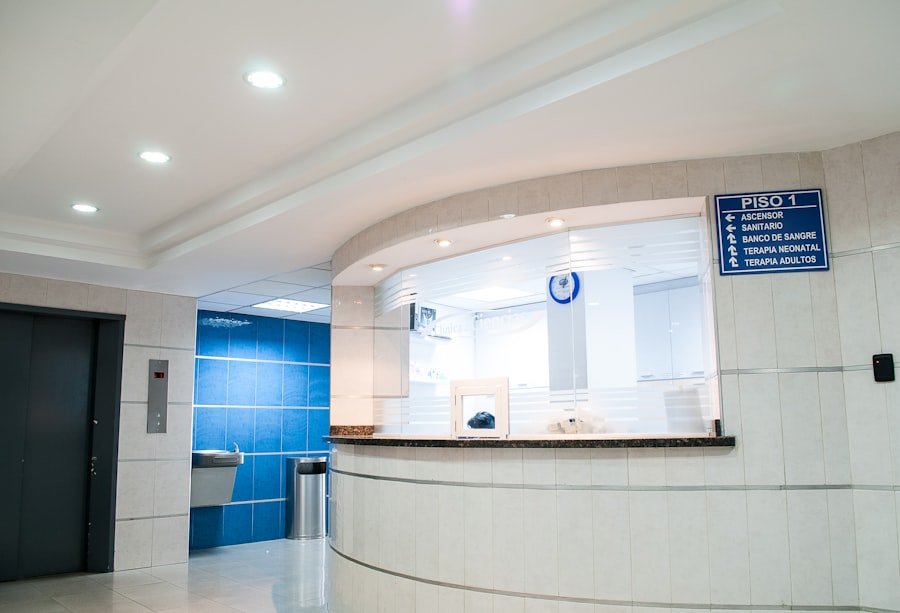
Transparency and accountability are essential components of an effective pre-authorization approval process. You deserve to know why certain treatments are approved or denied, as well as the criteria used by insurers to make these decisions. By fostering transparency, insurers can build trust with their clients, ensuring that you feel confident in their processes.
To enhance accountability, insurers should provide clear guidelines regarding their pre-authorization criteria and communicate these to both network hospitals and patients. This clarity allows you to understand what is required for approval and helps prevent misunderstandings that could lead to delays or denials. When everyone involved in the process is aware of expectations, it creates a more efficient system that ultimately benefits you.
Training and Education for Network Hospital Staff
The role of network hospital staff in the pre-authorization approval process cannot be overstated. You may not realize how crucial their training is in ensuring that requests are submitted accurately and promptly. Providing ongoing education for hospital staff about insurance policies, pre-authorization requirements, and communication protocols can significantly improve efficiency.
When hospital staff are well-trained, they are better equipped to handle pre-authorization requests effectively. This training should include not only understanding the technical aspects of insurance policies but also developing strong communication skills to interact with insurers and patients alike. By investing in staff education, hospitals can create a more seamless experience for you when seeking care.
Improving Customer Experience through Efficient Pre-Authorization Approval
Ultimately, the goal of streamlining the pre-authorization approval process is to enhance your overall customer experience in healthcare. When approvals are handled efficiently, you can focus on what truly matters—your health and recovery. A smooth pre-authorization process reduces stress and uncertainty, allowing you to receive timely treatment without worrying about financial implications.
Moreover, an efficient system fosters a positive relationship between you and your insurer or healthcare provider. When you feel supported throughout the process, it builds trust and confidence in your healthcare choices. As both insurers and network hospitals work together to improve their processes, they contribute to a healthcare environment where patients like you can thrive without unnecessary obstacles standing in the way of receiving care.
In conclusion, cashless health insurance claims represent a significant advancement in how healthcare is accessed and financed. By understanding the importance of pre-authorization approvals and advocating for streamlined processes, you can play an active role in ensuring that your healthcare experience is as smooth as possible. Embracing technology, enhancing communication, ensuring transparency, and investing in staff training are all vital steps toward achieving this goal.
Ultimately, when these elements come together effectively, they create a healthcare system that prioritizes your needs and well-being above all else.
Navigating the cashless health insurance claim process in India, especially when dealing with network hospitals, involves several crucial steps, including obtaining pre-authorization approval. This process ensures that policyholders can receive medical treatment without the immediate burden of out-of-pocket expenses. For those interested in maximizing their health insurance benefits, understanding the tax implications can be equally important. An insightful resource on this topic is the article on maximizing health insurance tax benefits in India under Section 80D. This guide provides valuable information on how policyholders can optimize their tax savings while ensuring comprehensive health coverage.
FAQs
What is a cashless health insurance claim process?
The cashless health insurance claim process allows policyholders to avail medical treatment at network hospitals without having to pay for the expenses upfront. The insurance company directly settles the bill with the hospital, subject to policy terms and conditions.
What is a network hospital in the context of health insurance?
A network hospital is a healthcare facility that has a tie-up with an insurance company to provide cashless treatment to policyholders. These hospitals have a pre-agreed upon arrangement with the insurance company for direct settlement of bills.
What is pre-authorization approval in the context of cashless health insurance claims?
Pre-authorization approval is the process of obtaining consent from the insurance company before undergoing a planned medical treatment at a network hospital. It involves submitting relevant medical documents and treatment details for review and approval.
What are the steps involved in obtaining pre-authorization approval for a cashless health insurance claim?
The steps for obtaining pre-authorization approval typically include:
1. Contacting the insurance company or TPA (Third Party Administrator) for pre-authorization request form.
2. Filling out the pre-authorization request form with accurate medical and treatment details.
3. Submitting the form along with supporting documents such as doctor’s prescription, medical reports, and estimated treatment cost to the insurance company or TPA.
4. Waiting for the approval or denial of the pre-authorization request from the insurance company.
What documents are usually required for pre-authorization approval in a cashless health insurance claim?
The documents required for pre-authorization approval may include:
– Pre-authorization request form
– Doctor’s prescription
– Medical reports (diagnosis, test results, etc.)
– Estimated treatment cost
– Policy details and ID card
– Any other documents as specified by the insurance company or TPA.
How long does it take to receive pre-authorization approval for a cashless health insurance claim?
The time taken to receive pre-authorization approval can vary depending on the insurance company and the complexity of the case. In general, it may take a few hours to a few days for the approval or denial to be communicated to the policyholder and the hospital.