

Pre-authorization, often referred to as prior authorization, is a crucial step in the health insurance process that requires healthcare providers to obtain approval from the insurance company before delivering certain medical services or treatments. This process is designed to ensure that the proposed treatment is medically necessary and aligns with the insurance policy’s coverage guidelines. As a policyholder, you may encounter pre-authorization when your doctor recommends specific procedures, tests, or medications that are deemed high-cost or potentially unnecessary.
Understanding pre-authorization is essential for navigating your health insurance plan effectively. It acts as a gatekeeper, helping to manage costs and ensure that patients receive appropriate care. While it may seem like an additional hurdle, pre-authorization can ultimately lead to better health outcomes by ensuring that only necessary treatments are approved and covered by your insurance provider.
Key Takeaways
- Pre-authorization in health insurance is the process of obtaining approval from the insurance company before receiving certain medical treatments or procedures.
- It is important to understand the significance of pre-authorization as it ensures that the treatment is covered by the insurance and helps in avoiding unexpected expenses.
- The process of obtaining pre-authorization involves submitting a request to the insurance company with relevant medical information and treatment details.
- Documents required for pre-authorization include medical records, doctor’s recommendation, and details of the proposed treatment.
- Timelines for pre-authorization approval vary depending on the insurance company and the type of treatment, so it is important to plan ahead.
Understanding the Importance of Pre-authorization
The importance of pre-authorization cannot be overstated, as it plays a significant role in controlling healthcare costs and ensuring quality care. For you as a patient, pre-authorization serves as a safeguard against unnecessary procedures that may not be beneficial to your health. By requiring approval for certain treatments, insurance companies can help prevent overutilization of services, which can lead to inflated medical bills and unnecessary risks associated with invasive procedures.
Moreover, pre-authorization helps streamline the healthcare process by ensuring that both you and your healthcare provider are on the same page regarding the treatment plan. When a procedure is pre-authorized, it indicates that the insurance company has reviewed the medical necessity of the treatment and agrees with your provider’s recommendations. This collaborative approach can enhance communication between you, your doctor, and your insurer, ultimately leading to a more efficient healthcare experience.
The Process of Obtaining Pre-authorization
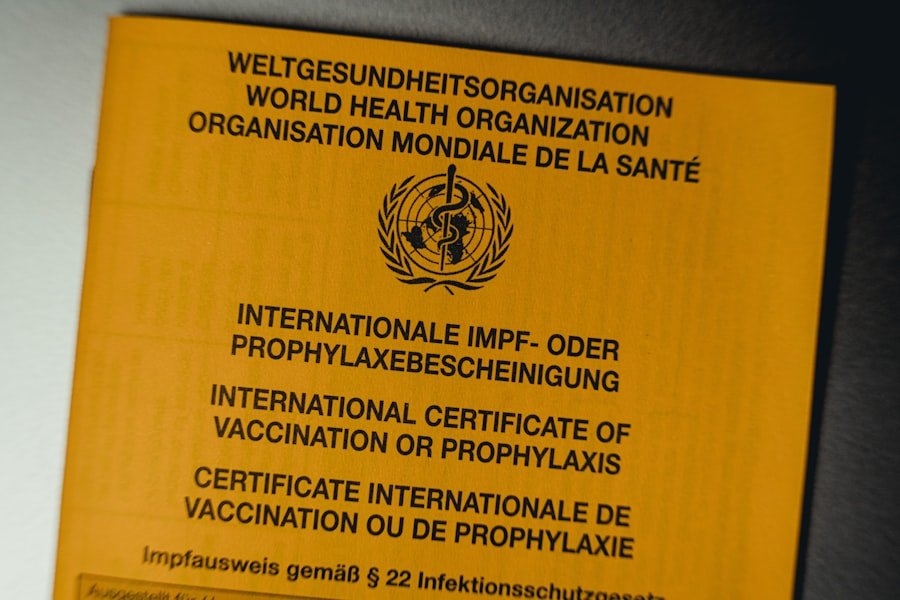
Obtaining pre-authorization typically involves several steps that require coordination between you, your healthcare provider, and your insurance company. Initially, your doctor will assess your medical condition and determine whether a specific treatment or procedure requires pre-authorization. If it does, they will gather the necessary information and submit a request to your insurance provider on your behalf.
Once the request is submitted, the insurance company will review the information provided by your healthcare provider. This review process may involve evaluating your medical history, current health status, and the proposed treatment’s alignment with established clinical guidelines. As a patient, you may need to provide additional information or documentation if requested by your insurer.
It’s essential to stay engaged during this process to ensure that everything moves smoothly and efficiently.
Documents Required for Pre-authorization
When seeking pre-authorization, specific documents are typically required to support the request. These documents may include your medical history, test results, and any relevant imaging studies that demonstrate the necessity of the proposed treatment. Your healthcare provider will usually compile this information and submit it along with the pre-authorization request to the insurance company.
In addition to medical documentation, you may also need to provide personal information such as your insurance policy number and contact details. Ensuring that all required documents are complete and accurate can significantly expedite the pre-authorization process. If any information is missing or unclear, it could lead to delays or even denials of coverage, which can be frustrating for you as a patient.
Timelines for Pre-authorization Approval
The timeline for obtaining pre-authorization can vary significantly depending on several factors, including the complexity of the treatment being requested and the policies of your insurance provider. Generally, most insurers aim to process pre-authorization requests within a few business days.
As a patient, it’s essential to be proactive in understanding the expected timeline for your specific situation. You can ask your healthcare provider about their experience with similar requests and inquire about any potential delays you might encounter. Being informed will help you manage your expectations and plan accordingly for any upcoming treatments or procedures.
Benefits of Pre-authorization for Cashless Treatment

One of the significant advantages of pre-authorization is its role in facilitating cashless treatment options for patients.
This cashless arrangement can alleviate financial stress and make accessing necessary care more manageable.
Additionally, pre-authorization ensures that you receive treatments that are covered under your insurance plan. By confirming coverage before proceeding with a procedure or service, you can avoid unexpected bills later on. This financial transparency is particularly beneficial in high-cost situations where out-of-pocket expenses could be substantial without prior approval from your insurer.
Common Misconceptions about Pre-authorization
Despite its importance in the healthcare system, there are several misconceptions surrounding pre-authorization that can lead to confusion among patients. One common myth is that pre-authorization guarantees coverage for a treatment or procedure. While obtaining pre-authorization is an essential step in securing coverage, it does not guarantee that all costs will be covered or that there won’t be any out-of-pocket expenses.
Another misconception is that pre-authorization is only necessary for expensive treatments or procedures. In reality, many insurance plans require pre-authorization for a wide range of services, including certain diagnostic tests and medications. Understanding these nuances can help you navigate your health insurance plan more effectively and avoid surprises when seeking care.
Pre-authorization for Emergency and Planned Treatments
Pre-authorization processes differ significantly between emergency and planned treatments. In emergency situations where immediate care is necessary to prevent serious harm or death, many insurance providers have provisions that allow for treatment without prior authorization. However, it’s crucial to notify your insurer as soon as possible after receiving emergency care to ensure coverage.
For planned treatments, on the other hand, obtaining pre-authorization is typically mandatory. This requirement allows insurers to review the proposed treatment’s medical necessity before it occurs. As a patient planning for an elective procedure or ongoing treatment, it’s essential to initiate the pre-authorization process well in advance to avoid delays in receiving care.
Tips for a Smooth Pre-authorization Process
To ensure a smooth pre-authorization process, there are several proactive steps you can take as a patient. First and foremost, maintain open communication with your healthcare provider about any treatments being considered. They can guide you through the necessary steps and help gather required documentation efficiently.
Additionally, familiarize yourself with your insurance policy’s specific requirements regarding pre-authorization. Understanding what services require approval and what documentation is needed can save time and reduce frustration later on. Finally, don’t hesitate to follow up with both your healthcare provider and insurance company throughout the process to check on the status of your request.
Pre-authorization in Different Types of Health Insurance Plans
Pre-authorization requirements can vary significantly across different types of health insurance plans. For instance, managed care plans such as Health Maintenance Organizations (HMOs) often have stricter pre-authorization protocols compared to Preferred Provider Organizations (PPOs). In HMOs, you may need to obtain approval for most services before receiving care from specialists or hospitals.
Conversely, PPOs may offer more flexibility regarding pre-authorization but still require it for certain high-cost procedures or treatments. Understanding how pre-authorization works within your specific plan can help you navigate the healthcare system more effectively and ensure that you receive timely care when needed.
Frequently Asked Questions about Pre-authorization
As you navigate the complexities of pre-authorization in health insurance, you may have several questions regarding its implications for your care. One common question is whether you can appeal a denial of pre-authorization. Yes, if your request is denied, you have the right to appeal the decision by providing additional information or clarification regarding the medical necessity of the treatment.
Another frequently asked question pertains to how long pre-authorization lasts once granted. Typically, pre-authorizations are valid for a specific period during which you must receive the approved treatment; otherwise, you may need to reapply for approval if too much time has passed. Being aware of these details can empower you as a patient to make informed decisions about your healthcare journey.
In conclusion, understanding pre-authorization in health insurance is vital for navigating your healthcare options effectively. By familiarizing yourself with its importance, processes, and requirements, you can ensure that you receive timely and appropriate care while minimizing potential financial burdens associated with medical treatments.
In the realm of health insurance, understanding the intricacies of pre-authorization is crucial for ensuring seamless access to cashless treatment. The article “Pre-Authorization in Health Insurance: Complete Guide to Cashless Treatment Approval” provides a comprehensive overview of the steps involved in obtaining pre-authorization, which is essential for policyholders seeking to minimize out-of-pocket expenses. For those interested in exploring further aspects of health insurance, such as managing medical expenses, the article on medical expenses offers valuable insights into how insurance can help mitigate the financial burden of healthcare costs. This related article delves into strategies for effectively managing and planning for medical expenses, complementing the information on pre-authorization and cashless treatment.
FAQs
What is pre-authorization in health insurance?
Pre-authorization in health insurance is the process of obtaining approval from the insurance company before receiving certain medical treatments or procedures. It ensures that the treatment is covered by the insurance policy and allows for cashless treatment at network hospitals.
Why is pre-authorization necessary in health insurance?
Pre-authorization is necessary in health insurance to ensure that the medical treatment or procedure is covered by the insurance policy. It also helps in controlling healthcare costs and prevents unnecessary or inappropriate treatments.
How does the pre-authorization process work?
The pre-authorization process typically involves the healthcare provider or hospital submitting a request to the insurance company with details of the proposed treatment or procedure. The insurance company then reviews the request and decides whether to approve or deny the pre-authorization.
What information is required for pre-authorization?
The information required for pre-authorization may include the patient’s medical history, the proposed treatment or procedure, the healthcare provider’s credentials, and any relevant medical records or test results.
What happens if pre-authorization is denied?
If pre-authorization is denied, the patient may have to either pay for the treatment out of pocket or seek an alternative treatment that is covered by the insurance policy. In some cases, the patient may have the option to appeal the denial.
Is pre-authorization required for all medical treatments and procedures?
Pre-authorization is typically required for non-emergency and high-cost medical treatments and procedures. Routine and low-cost treatments may not require pre-authorization, but it is important to check with the insurance company to confirm their requirements.