
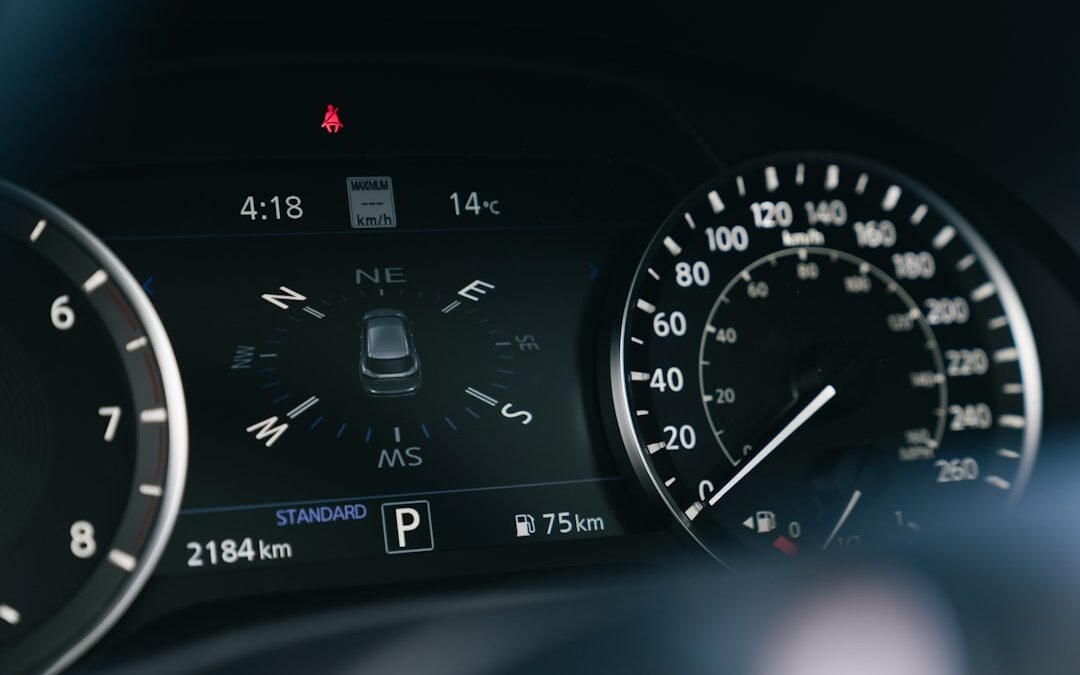
Pay-Per-Use Vehicle Insurance is a modern auto insurance model that calculates premiums based on driving frequency and safety rather than using flat rates. Unlike traditional insurance, which sets prices according to factors like age, location, and driving history, this approach charges customers only for their actual usage. This system benefits infrequent drivers and those who regularly use alternative transportation methods by providing more personalized coverage that reflects their specific needs.
The model operates on a principle of equitable pricing: less driving results in lower premiums, while more frequent use increases costs proportionally. This structure not only promotes safer driving behaviors but also offers financial benefits to those who limit their vehicle usage. Recent advancements in technology and data analytics have made pay-per-use insurance increasingly available, enabling drivers to track their habits and manage insurance expenses in real-time.
Key Takeaways
- Pay-per-use vehicle insurance charges premiums based on actual vehicle usage rather than fixed rates.
- Usage-based premiums rely on telematics data to monitor driving behavior and mileage.
- Telematics devices track factors like distance, speed, and driving patterns to calculate insurance costs.
- Benefits include cost savings for low-mileage drivers and incentives for safer driving habits.
- Challenges include privacy concerns and data security related to continuous vehicle monitoring.
How Does Usage-Based Premium Work?
Usage-based premium models are designed to reflect your actual driving behavior rather than relying solely on demographic data. When you opt for this type of insurance, your premium is calculated based on specific metrics such as mileage, speed, braking patterns, and even the time of day you drive. This means that if you are a cautious driver who primarily uses your vehicle for short trips, your insurance costs could be significantly lower than those of someone who drives long distances or engages in riskier driving behaviors.
To determine your premium, insurers typically use telematics devices that collect data about your driving habits. These devices can be installed in your vehicle or integrated into a mobile app on your smartphone. The data collected is then analyzed to assess your risk profile, which directly influences your premium.
This approach not only makes insurance more equitable but also empowers you to take control of your costs by encouraging safer driving practices.
The Role of Telematics in Pay-Per-Use Vehicle Insurance

Telematics plays a crucial role in the functioning of pay-per-use vehicle insurance. By utilizing GPS technology and onboard diagnostics, telematics devices gather real-time data about your driving habits. This information is invaluable for insurers as it allows them to create a more accurate risk assessment based on actual behavior rather than assumptions.
For instance, if you consistently drive within speed limits and avoid sudden stops, the data will reflect that, potentially leading to lower premiums. Moreover, telematics can provide insights into other aspects of vehicle usage, such as the frequency of trips and the types of roads driven on. This level of detail helps insurers tailor their offerings to better suit your needs.
As a result, telematics not only enhances the accuracy of risk assessments but also fosters a more transparent relationship between you and your insurer. You can see how your driving habits impact your premiums, making it easier to understand and manage your insurance costs.
Benefits of Pay-Per-Use Vehicle Insurance
One of the most significant benefits of pay-per-use vehicle insurance is its potential for cost savings. If you are someone who drives infrequently or primarily uses public transportation, this model can lead to substantial savings compared to traditional insurance policies that charge flat rates regardless of usage. By paying only for the coverage you need, you can allocate your budget more effectively and avoid overpaying for insurance.
In addition to financial savings, pay-per-use insurance encourages safer driving habits. Knowing that your premium is directly linked to your driving behavior can motivate you to adopt more responsible practices behind the wheel. This not only benefits you financially but also contributes to overall road safety.
Furthermore, many insurers offer rewards or discounts for safe driving, providing an additional incentive to maintain good habits.
Factors Considered in Usage-Based Premium
| Metric | Description | Typical Range | Impact on Premium |
|---|---|---|---|
| Distance Driven (miles/month) | Total miles driven as recorded by telematics device | 0 – 2,000 | Higher distance increases premium |
| Driving Behavior Score | Composite score based on acceleration, braking, cornering | 0 (poor) – 100 (excellent) | Better score reduces premium |
| Time of Day Driven | Percentage of driving during high-risk hours (e.g., night) | 0% – 100% | More night driving increases premium |
| Trip Frequency | Number of trips per day or week | 0 – 10+ | Higher frequency may increase premium |
| Idle Time | Percentage of time vehicle is idling | 0% – 30% | Higher idle time can increase premium |
| Hard Braking Events | Number of sudden braking incidents per 100 miles | 0 – 5+ | More events increase premium |
| Acceleration Events | Number of rapid acceleration incidents per 100 miles | 0 – 5+ | More events increase premium |
| Average Speed | Average speed during trips | 0 – 70 mph | Higher average speed may increase premium |
| Geographical Risk | Risk level of areas driven (urban vs rural) | Low – High | Higher risk areas increase premium |
When determining usage-based premiums, insurers take into account several key factors that reflect your driving behavior. One primary consideration is mileage; the more you drive, the higher your risk exposure and potential premium. However, it’s not just about how far you go; the nature of your driving also matters.
For example, urban driving may be considered riskier than rural driving due to higher traffic density and potential hazards. Other factors include speed patterns and braking habits. Frequent hard braking or rapid acceleration can indicate aggressive driving, which may lead to higher premiums.
Additionally, the time of day you typically drive can influence your rate; nighttime driving is often associated with increased risk due to reduced visibility and higher likelihood of encountering impaired drivers. By analyzing these various factors, insurers can create a comprehensive picture of your risk profile and set premiums accordingly.
How Telematics Devices Track Vehicle Usage

Telematics devices are at the heart of pay-per-use vehicle insurance, providing the necessary data to assess your driving habits accurately. These devices can be installed directly into your vehicle’s onboard diagnostics port or accessed through mobile applications that track your smartphone’s GPS location.
The data collected by telematics devices is transmitted to your insurer in real-time or at regular intervals. This allows for ongoing assessment of your driving habits and enables insurers to adjust premiums dynamically based on current behavior rather than relying solely on historical data. As a result, if you improve your driving habits over time—such as reducing hard braking or speeding—you may see a corresponding decrease in your premium.
This feedback loop not only keeps you informed about your driving but also incentivizes continuous improvement.
Challenges and Concerns with Pay-Per-Use Vehicle Insurance
While pay-per-use vehicle insurance offers numerous benefits, it is not without its challenges and concerns. One significant issue is privacy; many drivers may feel uncomfortable with the idea of their driving habits being monitored so closely. The collection and analysis of personal data raise questions about how that information is used and stored by insurers.
Ensuring that data is handled securely and transparently is crucial for building trust between you and your insurer. Another concern is the potential for unexpected premium increases based on driving behavior. If you experience a period of high mileage due to life changes—such as a new job requiring longer commutes—you may find yourself facing higher premiums than anticipated.
This unpredictability can be unsettling for some drivers who prefer the stability of traditional flat-rate insurance models. It’s essential to weigh these concerns against the potential benefits when considering whether pay-per-use vehicle insurance is right for you.
The Future of Pay-Per-Use Vehicle Insurance and Telematics
As technology continues to evolve, the future of pay-per-use vehicle insurance looks promising. With advancements in telematics and data analytics, insurers will be able to offer even more personalized coverage options tailored specifically to individual driving behaviors. This could lead to more competitive pricing models that reward safe drivers while providing flexibility for those with varying usage patterns.
Moreover, as electric vehicles and autonomous driving technology become more prevalent, the landscape of auto insurance will likely shift further. Insurers may develop new metrics for assessing risk based on these emerging technologies, creating opportunities for innovative coverage options that align with changing consumer needs. As a driver in this evolving landscape, staying informed about these trends will empower you to make better decisions regarding your vehicle insurance options in the future.
In conclusion, pay-per-use vehicle insurance represents a significant shift in how auto insurance is approached today. By leveraging telematics and usage-based premiums, this model offers a fairer and more personalized way to manage insurance costs while promoting safer driving habits. As you navigate this new terrain, understanding its benefits and challenges will help you make informed choices that align with your lifestyle and driving behavior.
Pay-Per-Use Vehicle Insurance is an innovative approach that leverages telematics to determine premiums based on actual usage, making it a cost-effective option for many drivers. For those interested in understanding how technology is transforming the insurance landscape, a related article on leveraging technology for efficient insurance claim settlement can provide valuable insights. You can read more about it here.
FAQs
What is pay-per-use vehicle insurance?
Pay-per-use vehicle insurance is a type of auto insurance where the premium is based on the actual usage of the vehicle, such as the number of miles driven or the duration of use, rather than a fixed annual rate.
How does usage-based premium work?
Usage-based premiums are calculated by monitoring the vehicle’s usage patterns, including distance traveled, driving behavior, and sometimes time of day. Insurers use this data to adjust the premium, rewarding safer and less frequent drivers with lower costs.
What role does telematics play in pay-per-use insurance?
Telematics involves the use of devices or smartphone apps to collect real-time data on driving habits, vehicle location, speed, and mileage. This data helps insurers accurately assess risk and determine premiums based on actual vehicle use.
Is pay-per-use insurance suitable for all drivers?
Pay-per-use insurance is particularly beneficial for drivers who use their vehicles infrequently or have predictable, low-mileage driving patterns. It may be less cost-effective for high-mileage drivers.
How is driving behavior monitored in usage-based insurance?
Driving behavior is monitored through telematics devices or mobile apps that track metrics such as speed, acceleration, braking patterns, cornering, and time of driving, which help insurers evaluate risk levels.
Are there privacy concerns with telematics in vehicle insurance?
Yes, since telematics collects detailed data about driving habits and locations, there are privacy concerns. Insurers typically have policies to protect data and require customer consent before collecting information.
Can pay-per-use insurance help reduce overall insurance costs?
Yes, by paying premiums based on actual usage and driving behavior, many drivers can save money compared to traditional fixed-rate insurance, especially if they drive less or more safely.
What types of vehicles are eligible for pay-per-use insurance?
Most personal vehicles, including cars, motorcycles, and sometimes commercial vehicles, can be insured under pay-per-use policies, depending on the insurer’s offerings.
How is the telematics device installed in the vehicle?
Telematics devices are usually plug-in units connected to the vehicle’s OBD-II port or integrated via a mobile app that uses the smartphone’s GPS and sensors to collect data.
Can I switch from traditional insurance to pay-per-use insurance easily?
Yes, many insurers offer the option to switch to pay-per-use insurance, but it may require installing telematics devices and agreeing to data collection terms. It’s advisable to compare costs and terms before switching.