
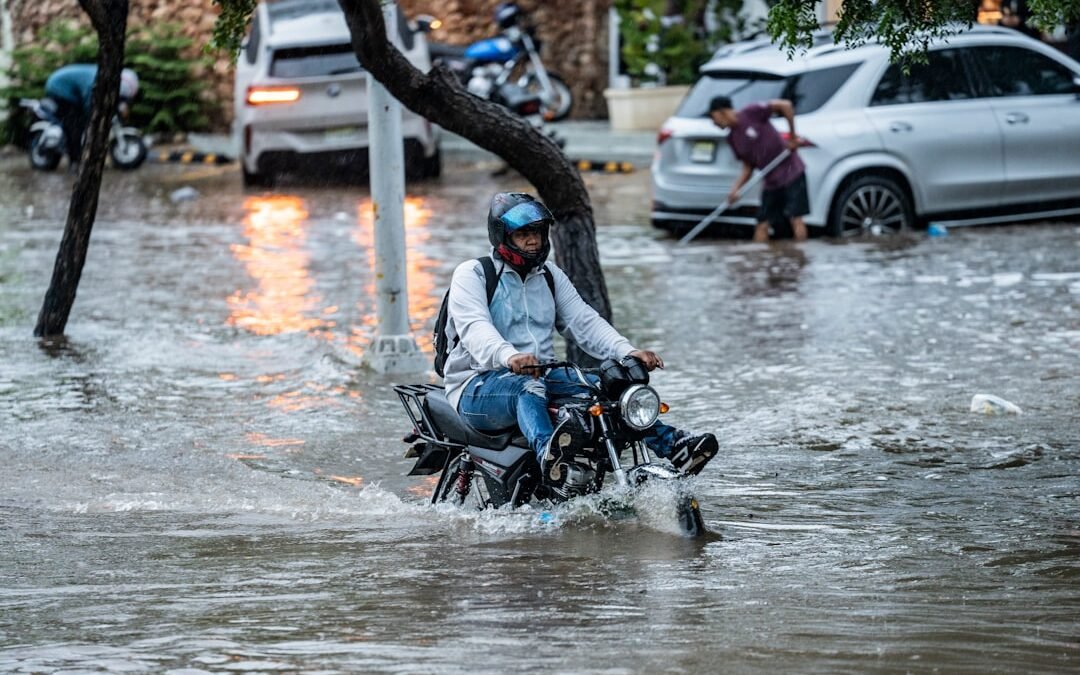
The monsoon season in India is a phenomenon that captivates and challenges millions. Typically spanning from June to September, this season is characterized by heavy rainfall, which is crucial for replenishing water sources and supporting agriculture. As the southwest monsoon winds sweep across the subcontinent, they bring with them a mix of joy and trepidation.
For many, the arrival of the monsoon signifies the end of scorching summer days and the beginning of lush greenery. However, it also heralds a time of potential chaos, as torrential rains can lead to severe flooding in various regions. You may find that the monsoon season transforms landscapes dramatically.
Rivers swell, fields become inundated, and urban areas often struggle with waterlogging. The impact of these heavy rains is felt across various sectors, from agriculture to transportation. While farmers eagerly await the rains to nourish their crops, city dwellers brace themselves for the challenges that come with excessive water accumulation.
Understanding this duality of the monsoon season is essential, as it sets the stage for the subsequent discussions about vehicle safety and insurance during this tumultuous time.
Key Takeaways
- Monsoon season in India often leads to severe flooding, significantly affecting vehicles.
- Vehicle insurance is crucial to protect against financial losses from flood damage.
- Different insurance policies offer varying levels of coverage for flood-related vehicle damage.
- Knowing the right steps after flood damage and how to file a claim can expedite the recovery process.
- Clearing up misconceptions about flood damage insurance helps vehicle owners make informed decisions.
The Impact of Monsoon Flooding on Vehicles
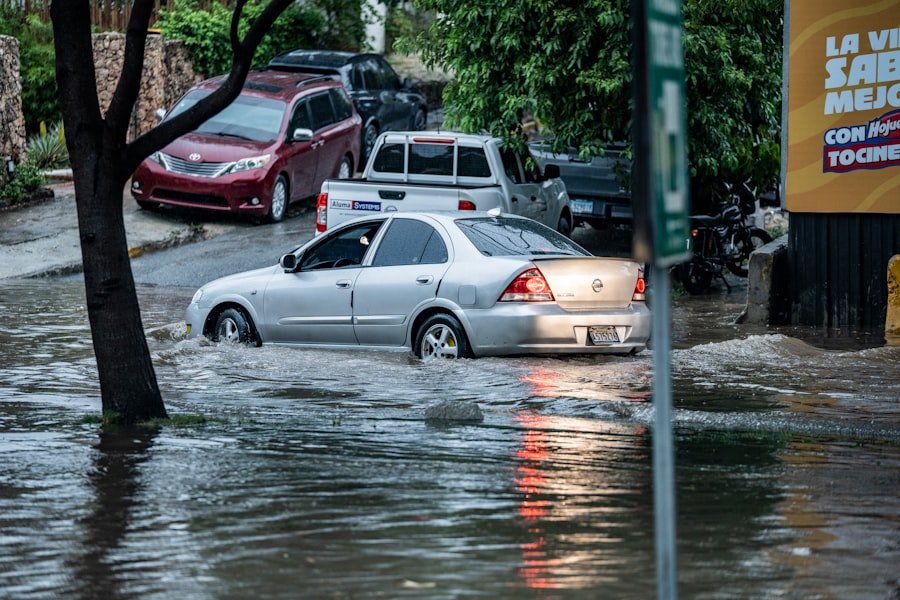
As the monsoon rains pour down, the impact on vehicles can be significant and often devastating. Flooding can lead to water entering the engine, damaging critical components and rendering your vehicle inoperable. You may find that even a few inches of water can cause extensive damage, particularly if your vehicle is not designed to withstand such conditions.
Electrical systems can short-circuit, and mechanical parts can corrode, leading to costly repairs that could have been avoided with proper precautions. Moreover, navigating through flooded streets can be perilous. You might be tempted to drive through what appears to be shallow water, but this can be a grave mistake.
The depth of water can be deceptive, and even a small amount can cause your vehicle to stall or be swept away. The aftermath of such incidents often leaves you grappling with not only the physical damage to your vehicle but also the emotional toll of dealing with insurance claims and repairs. Understanding these risks is crucial for any vehicle owner during the monsoon season.
Importance of Vehicle Insurance for Flood Damage
In light of the potential for flooding during the monsoon season, having comprehensive vehicle insurance becomes paramount. You may think that your standard insurance policy covers all types of damage, but this is often not the case. Many basic policies do not include coverage for flood-related incidents, leaving you vulnerable to significant financial loss.
Investing in a robust insurance plan that specifically addresses flood damage can provide you with peace of mind during this unpredictable season. Additionally, vehicle insurance serves as a safety net that protects you from unforeseen expenses. If your vehicle sustains damage due to flooding, the costs associated with repairs can quickly add up.
Without adequate insurance coverage, you may find yourself facing hefty bills that could strain your finances. By securing a policy that includes flood damage coverage, you are not only safeguarding your investment but also ensuring that you can navigate the challenges of the monsoon season with greater confidence.
Types of Vehicle Insurance Coverage for Flood Damage
When it comes to protecting your vehicle from flood damage, understanding the different types of insurance coverage available is essential. Comprehensive insurance is often the most recommended option for those living in areas prone to flooding. This type of policy typically covers damages caused by natural disasters, including floods, ensuring that you are financially protected in case of an emergency.
You may want to consider this option if you live in a region where heavy rains are common during the monsoon season. Another option worth exploring is add-on coverage specifically designed for flood damage. Some insurance providers offer riders or endorsements that can be added to your existing policy for an additional premium.
This allows you to customize your coverage based on your specific needs and concerns. By opting for such add-ons, you can enhance your protection against flood-related damages without having to switch to a completely new policy. Understanding these options will empower you to make informed decisions about your vehicle insurance.
Tips for Choosing the Right Insurance Policy
| Metric | Details | Notes |
|---|---|---|
| Coverage Type | Comprehensive Vehicle Insurance | Includes flood and water ingress damage |
| Common Flood Damage Causes | Water ingress, engine damage, electrical system failure | Monsoon season increases risk |
| Claim Process Duration | 7-15 days on average | Depends on insurer and documentation |
| Average Claim Settlement Ratio | 85-90% | Varies by insurance company |
| Premium Impact | 10-20% increase during monsoon season | Due to higher risk of flood damage |
| Exclusions | Damage due to negligence or driving through deep water | Check policy terms carefully |
| Required Documents for Claim | Vehicle registration, insurance policy, photos of damage, FIR (if applicable) | FIR required if damage due to natural calamity |
| Insurers Offering Flood Coverage | ICICI Lombard, Bajaj Allianz, HDFC ERGO, New India Assurance | Major insurers in India |
| Average Claim Amount | Varies widely; typically 10,000 to 50,000 INR | Depends on extent of damage |
| Policy Renewal Tips | Ensure flood coverage is included, update vehicle condition | Review terms before monsoon season |
Choosing the right insurance policy for flood damage requires careful consideration and research. Start by assessing your specific needs based on where you live and how often you use your vehicle during the monsoon season. If you reside in an area frequently affected by flooding, it may be wise to prioritize comprehensive coverage or specific flood damage add-ons.
You should also evaluate your budget and determine how much you are willing to spend on premiums versus potential out-of-pocket expenses in case of an accident. Another important factor to consider is the reputation and reliability of the insurance provider. Look for companies with positive customer reviews and a track record of prompt claims processing.
You may want to reach out to friends or family for recommendations or consult online resources to gauge customer satisfaction levels. Additionally, don’t hesitate to ask potential insurers about their policies regarding flood damage coverage; understanding their terms and conditions will help you make an informed choice.
Steps to Take After Your Vehicle is Damaged in a Flood
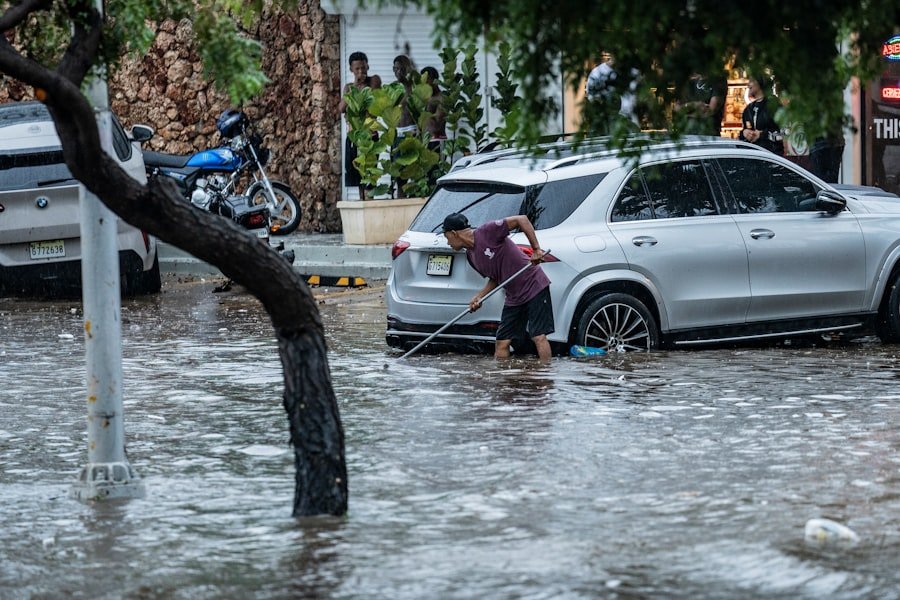
If your vehicle has been damaged in a flood, taking immediate action is crucial to mitigate further losses and facilitate a smoother claims process. First and foremost, ensure your safety and that of others around you before assessing the damage to your vehicle. If it’s safe to do so, document the extent of the damage with photographs and notes detailing what occurred.
This evidence will be invaluable when filing an insurance claim. Next, contact your insurance provider as soon as possible to report the incident. Be prepared to provide them with all necessary information, including your policy number and details about the flooding event.
Your insurer will guide you through the claims process and inform you about any required documentation or forms that need to be submitted. Following their instructions carefully will help expedite your claim and get you back on the road sooner.
Common Misconceptions About Flood Damage and Insurance
There are several misconceptions surrounding flood damage and vehicle insurance that can lead to confusion among vehicle owners like yourself. One common myth is that all types of insurance automatically cover flood damage; however, this is not always true. Many standard policies exclude natural disasters unless specifically stated otherwise.
It’s essential to read through your policy documents carefully and clarify any doubts with your insurer before disaster strikes. Another misconception is that minor flooding won’t cause significant damage to vehicles. You might think that if your car was only partially submerged or caught in shallow water, it would be fine; however, even minimal exposure can lead to long-term issues such as rusting or electrical failures.
Understanding these misconceptions will help you take proactive measures in safeguarding your vehicle during the monsoon season.
How to File a Claim for Flood Damage to Your Vehicle
Filing a claim for flood damage may seem daunting, but understanding the process can make it more manageable for you. Start by gathering all necessary documentation related to your claim, including photographs of the damage, any police reports if applicable, and receipts for repairs or towing services incurred after the incident. Having this information organized will streamline the claims process.
Once you have all required documents ready, contact your insurance provider to initiate the claim process formally. They will guide you through their specific procedures and may require you to fill out certain forms or provide additional information about the incident. Be sure to keep copies of everything submitted for your records.
After filing your claim, stay in touch with your insurer for updates on its status and any further steps needed on your part. In conclusion, navigating vehicle ownership during India’s monsoon season requires awareness and preparation. By understanding the risks associated with flooding and ensuring you have adequate insurance coverage, you can protect yourself from potential financial burdens while enjoying the beauty of this transformative season.
When considering vehicle insurance for flood damage during the monsoon season in India, it’s essential to understand the nuances of coverage, especially regarding water ingress claims. For a deeper insight into how technology is transforming the insurance landscape, you might find the article on the AI revolution in car insurance claims particularly informative. This article discusses how advancements in artificial intelligence are streamlining claims processing and enhancing fraud detection, which can be beneficial when navigating the complexities of flood-related claims.
FAQs
What does vehicle insurance for flood damage typically cover during the India monsoon season?
Vehicle insurance for flood damage generally covers repairs or replacement costs if your vehicle is damaged due to water ingress caused by flooding, heavy rains, or waterlogging during the monsoon season. This coverage is usually part of a comprehensive insurance policy.
Is flood damage covered under a standard third-party vehicle insurance policy in India?
No, third-party insurance policies in India do not cover flood damage. Coverage for flood or water ingress damage is included only in comprehensive insurance policies.
How can I ensure my vehicle insurance covers flood damage during the monsoon?
To ensure coverage for flood damage, you should opt for a comprehensive vehicle insurance policy and confirm with your insurer that natural calamities, including floods and water ingress, are covered. It is advisable to read the policy document carefully or consult your insurance agent.
What should I do immediately if my vehicle is damaged by flood water?
If your vehicle is damaged by flood water, avoid starting the engine to prevent further damage. Document the damage with photographs, inform your insurance company promptly, and file a claim as per their procedure.
How is a flood damage claim processed for vehicle insurance in India?
After filing a claim, the insurer will typically send a surveyor to assess the damage. Based on the surveyor’s report, the insurer will approve the claim and arrange for repairs or compensation as per the policy terms.
Are there any exclusions related to flood damage in vehicle insurance policies?
Some policies may exclude damage caused by negligence, such as driving through flooded areas knowingly. It is important to check the policy exclusions section to understand any limitations related to flood damage claims.
Does the insurance cover loss due to water ingress inside the vehicle cabin?
Yes, comprehensive insurance policies usually cover damage caused by water ingress inside the vehicle cabin if it results from flooding or heavy rains, subject to the terms and conditions of the policy.
Can I add flood damage coverage to an existing vehicle insurance policy?
If you have a third-party policy, you can upgrade to a comprehensive policy to include flood damage coverage. For existing comprehensive policies, you may need to check with your insurer if any additional riders or endorsements are required.
How much does flood damage coverage add to the vehicle insurance premium?
Flood damage coverage is included in comprehensive policies, so the premium depends on the overall coverage and vehicle type. The additional cost specifically for flood damage is generally not separately charged but is part of the comprehensive premium.
Is it necessary to renew vehicle insurance before the monsoon season for flood coverage?
Yes, having an active comprehensive insurance policy before the monsoon season ensures you are covered for any flood-related damages during that period. Timely renewal is important to avoid lapses in coverage.