

You’re expecting. The joy might be bubbling up, but alongside it, a more practical concern often surfaces: the financial aspect of bringing a new life into the world. Maternity and newborn healthcare in India can be a significant investment, and understanding your insurance coverage is paramount. This article serves as your comprehensive checklist, a compass to navigate the often-complex landscape of maternity and newborn health insurance. Think of it as your personal map, detailing the essential territories you need to explore to ensure you’re well-prepared for the journey ahead.
Before you can even begin to check what your policy covers, you need to grasp the foundational elements of maternity insurance. This isn’t just a rider; it’s a specialized benefit designed to safeguard you and your child during a profoundly significant period. Your policy’s maternity coverage acts as a vital parachute, ready to deploy when the unexpected needs of pregnancy and childbirth arise. It’s not a luxury; it’s a crucial component of responsible financial planning for any prospective parent in India.
What Constitutes Maternity Coverage?
Maternity coverage is broadly defined by insurance companies to include expenses related to pregnancy, childbirth, and the immediate postnatal period for both the mother and the newborn. However, the devil, as they say, is in the details. What one policy defines as “maternity coverage” might be significantly different from another. It’s essential to dissect these definitions thoroughly.
Pre-Hospitalization Expenses
This category typically covers costs incurred before you are admitted to the hospital for delivery. These can include:
- Doctor’s consultations: Regular check-ups with your gynecologist or obstetrician.
- Diagnostic tests: Blood tests, ultrasounds, amniocentesis, and other investigative procedures recommended by your doctor for monitoring the pregnancy.
- Medications: Prescription drugs taken during the pregnancy that are deemed medically necessary.
It is crucial to ascertain the duration and monetary limits of pre-hospitalization coverage. Some policies might cover expenses incurred up to 30 days before admission, while others might have a shorter window. The reimbursed amount for these tests and consultations is also a critical factor.
Hospitalization Expenses
This is the core of maternity coverage, encompassing costs incurred during your hospital stay for delivery. This usually includes:
- Room rent: The cost of the hospital room. Policies often have sub-limits on room rent, which can affect the total claim if you opt for a higher-category room.
- Doctor’s fees: Fees for the delivering doctor, anesthetist, and other medical professionals involved in the delivery.
- Surgical charges: If a Cesarean section (C-section) or any other surgical procedure is required for delivery, these costs are typically covered.
- Anesthesia charges: The cost of anesthesia administered during delivery.
- Cost of medicines and consumables: Drugs, injections, IV fluids, and other materials used during your hospital stay.
- Operation theater charges: Expenses related to the use of the operation theater.
- ICU charges: In case of any complications requiring intensive care for the mother.
You need to be acutely aware of the sub-limits placed on each of these components. A generous overall sum insured might be rendered insufficient if individual items like room rent or doctor’s fees have restrictive caps.
Post-Hospitalization Expenses
The care doesn’t end when you step out of the hospital. Post-hospitalization coverage ensures that expenses incurred after discharge for recovery are also considered. This might include:
- Follow-up consultations: Doctor visits after delivery for the mother’s check-ups.
- Medications: Prescribed medicines for the mother’s recovery.
- Diagnostic tests: Postnatal diagnostic tests for the mother.
Similar to pre-hospitalization, understanding the duration and limits of post-hospitalization coverage is vital for comprehensive financial planning.
Waiting Periods: A Critical Consideration
Perhaps the most significant hurdle in accessing maternity benefits is the waiting period. Insurance policies in India, for maternity benefits, almost universally impose a waiting period before you can claim. This is the time you must hold the policy before any maternity-related expenses are covered.
How Waiting Periods Work
Waiting periods are designed to prevent individuals from buying insurance only when they know they will need it immediately, thus protecting the insurance pool from adverse selection. For maternity benefits, these periods are typically longer than for other general illnesses.
Common Waiting Period Structures
- Fixed Waiting Period: The most common type, usually ranging from 2 to 4 years from the inception of your policy. This means you must have had the policy active and paid premiums for this duration before you can claim maternity expenses.
- Specific Waiting Period for Maternity: Some policies might have a separate, often longer, waiting period specifically for maternity benefits, even if you have a general health insurance policy.
It is absolutely imperative to clarify the exact waiting period for maternity benefits with your insurer. This knowledge will inform your decision on when to purchase or upgrade your health insurance. If you are planning a family, it’s wise to secure maternity coverage years in advance to circumvent these waiting periods.
In the context of Maternity and Newborn Health Insurance in India, it is essential to understand the broader implications of health coverage, including the importance of protecting other aspects of health and safety. A related article that discusses the significance of insurance in different areas is titled “The Importance of 4-Wheeler Insurance,” which highlights how comprehensive insurance can safeguard against unforeseen circumstances. You can read more about it here: The Importance of 4-Wheeler Insurance. This article emphasizes the need for adequate coverage, which parallels the necessity for maternity and newborn health insurance to ensure a secure future for families.
Newborn Coverage: A Shield for Your Little One
The arrival of a newborn is a joyous occasion, but it also brings with it the responsibility of ensuring their health and well-being. Maternity insurance often extends to cover your newborn, but the scope and duration of this coverage can vary significantly between policies. Your newborn’s coverage acts as an initial safety net, catching them as they embark on their life’s journey.
Inclusions in Newborn Coverage
Newborn coverage typically begins from birth and extends for a specified period, usually up to the renewal of the policy or a specific age. The primary areas of coverage include:
Congenital Conditions and Birth Defects
Many policies offer coverage for congenital conditions (conditions present at birth) and birth defects. However, the definition and scope of these inclusions can be narrow.
- Definition of Congenital Conditions: It’s crucial to understand how the insurer defines “congenital.” Some policies might cover all such conditions, while others may exclude specific ones or have a waiting period even for newborns if the condition manifests after a certain period.
- Pre-existing Conditions for Newborns: If a congenital condition is considered “pre-existing” by the insurer, it might not be covered under standard maternity benefits and could fall under a separate policy clause with its own set of waiting periods or exclusions.
Medical Expenses for the Newborn
This encompasses a range of potential costs associated with the newborn’s health in the initial period.
- Hospitalization for the Newborn: If the newborn requires hospitalization due to complications at birth, prematurity, or other medical issues, these expenses are usually covered.
- Intensive Care Unit (ICU) and Neonatal Intensive Care Unit (NICU) Expenses: The cost of specialized care in NICU or ICU for newborns is a significant expense, and it’s vital to ensure your policy adequately covers these critical services.
- Treatment for Infections and Diseases: Coverage for common infant ailments and infections that may require medical intervention during the initial weeks and months.
- Vaccinations: Some policies might offer coverage for a certain number of vaccinations as per the national immunization schedule, though this is not a universal inclusion.
Specific Coverage Aspects to Verify
- Coverage from Birth: Ensure the policy explicitly states coverage for the newborn from the moment of birth. Some policies might require the newborn to be added to the policy within a certain timeframe (e.g., 90 days) to get coverage.
- Duration of Coverage: Understand how long the newborn is covered under the mother’s policy. It might be until the policy renewal date, a specific age, or require the newborn to be added as a dependent to their own policy.
Pre-hospitalization and Post-hospitalization for Newborns
Just like for the mother, newborn coverage often extends to pre- and post-hospitalization phases where applicable.
- Pre-hospitalization for Newborns: This is less common for newborns unless they are born with a condition that requires immediate medical attention or diagnostic tests shortly after birth.
- Post-hospitalization for Newborns: This is more relevant and can include follow-up doctor visits, prescribed medications, and any necessary diagnostic tests for the newborn’s recovery or ongoing care after discharge.
It’s imperative to clarify what specific pre- and post-hospitalization benefits, if any, are extended to the newborn under your maternity insurance plan.
Navigating Policy Exclusions and Limitations

Even the most comprehensive policies have boundaries. Understanding what your maternity and newborn insurance doesn’t cover is as crucial as knowing what it does. Ignoring exclusions is like sailing without checking for reefs; you might hit them unexpectedly.
Common Exclusions in Maternity Policies
Insurers commonly exclude certain conditions, treatments, or situations from maternity coverage to manage risk and costs. Being aware of these will prevent future surprises.
- Pre-existing Diseases (for the Mother): While maternity coverage starts from a specific point, if the mother has pre-existing medical conditions that are aggravated by pregnancy or require treatment during the antenatal period, these might be excluded unless specifically covered.
- Non-allopathic treatments: Treatments not recognized by allopathic medicine are generally not covered.
- Cosmetic procedures: Surgeries or treatments performed for cosmetic reasons, such as correcting stretch marks or undergoing cosmetic enhancements post-delivery, are typically excluded.
- Fertility treatments: While pregnancy is the outcome, the procedures leading to conception, such as IVF, IUI, or other fertility treatments, are usually not part of standard maternity coverage. Some specialized policies might offer riders for this, but it’s not standard.
- Voluntary termination of pregnancy (Abortion): Unless medically advised for the life or health of the mother, voluntary abortions are almost always excluded.
- Complications arising from unlisted conditions: If an unforeseen complication arises during pregnancy or delivery that is directly linked to a pre-existing condition or a condition that was specifically excluded, the claim might be rejected.
Understanding Sub-limits and Co-payments
These are not outright exclusions but are limitations that can significantly impact your out-of-pocket expenses.
- Room Rent Limits: As mentioned earlier, many policies have a cap on the daily room rent charged by the hospital. If you opt for a room exceeding this limit, you may have to bear the difference. For instance, if the policy allows ₹4,000 per day and you choose a room for ₹6,000, you pay the extra ₹2,000.
- Specific Procedure Limits: Some policies might have specific sub-limits for procedures like C-sections or for the use of the ICU/NICU.
- Co-payment Clause: In some policies, you might be required to pay a certain percentage of the hospitalization bill, irrespective of the sum insured. For example, a 10% co-payment means you bear 10% of the total medical bill. This is more common in certain types of plans or if you opted for a lower premium.
Waiting Periods for Specific Conditions
While the general maternity waiting period applies, some policies might have additional waiting periods for certain complications or treatments related to pregnancy and childbirth. Always clarify these nuances.
Choosing the Right Policy: A Step-by-Step Guide
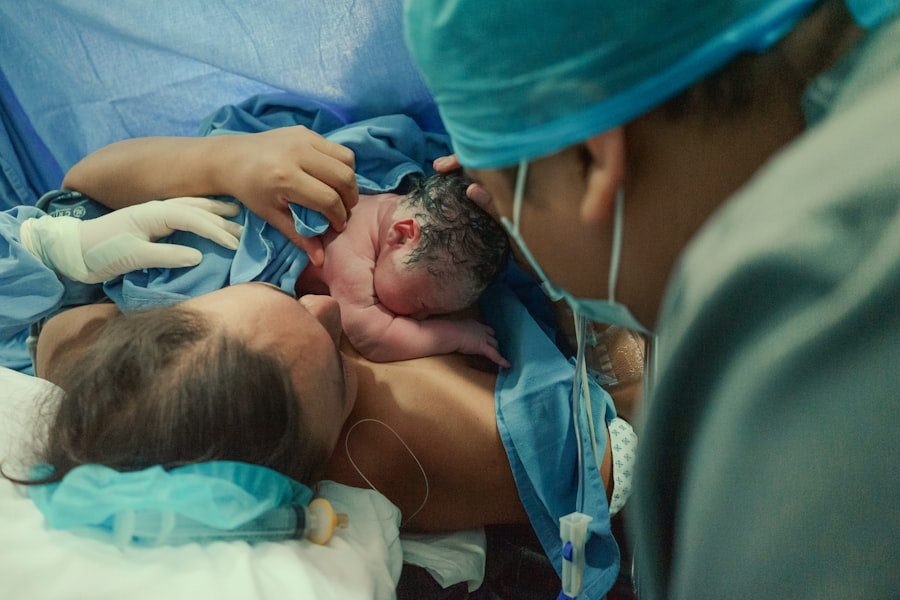
Selecting the right maternity and newborn health insurance is a decision that requires careful consideration and informed choices. It’s akin to choosing the right foundation for your home – it needs to be strong, stable, and suited to the ground.
Assess Your Needs and Future Plans
Before you start comparing plans, take a moment to reflect on your personal circumstances and future aspirations.
- Are you planning a family in the near future? If yes, securing maternity coverage well in advance is crucial due to waiting periods.
- What are your existing health conditions? If you or your partner have any chronic illnesses, consider policies that offer comprehensive coverage for potential complications.
- What is your budget? Health insurance premiums vary based on coverage, sum insured, age, and features. Determine what you can comfortably afford.
- What kind of healthcare facilities do you prefer? This includes considering the network hospitals of the insurance company.
Compare Policy Features and Benefits
When you’re comparing different insurance plans, use the checklist below as your guide:
- Sum Insured: Ensure the total sum insured is adequate to cover potential maternity and newborn expenses, including potential complications. It’s better to have a higher sum insured and not use it than to fall short when you need it most.
- Waiting Periods: Double-check the waiting periods for maternity benefits and the inclusion of newborn coverage. Shorter waiting periods are generally better.
- Sub-limits and Co-payments: Look for policies with minimal or no sub-limits and co-payments for critical aspects like room rent, C-section, and newborn NICU care.
- Inclusions: Verify that the policy covers pre- and post-hospitalization expenses, doctor’s fees, delivery charges (including C-section), and newborn care comprehensively.
- Exclusions: Carefully read the list of exclusions to avoid unexpected denials.
- Network Hospitals: Check if your preferred hospitals are part of the insurer’s network. This can simplify the cashless claims process.
- Maternity Expenses Covered: Does the policy cover only normal and C-section deliveries, or does it extend to other complications that might arise?
- Newborn Coverage: Confirm the extent and duration of newborn coverage, including specific congenital conditions or critical illnesses.
- Add-on Riders: Explore if there are any optional riders that can enhance your maternity coverage, such as for delivery complications or specific diseases.
- Claim Settlement Ratio (CSR): While not directly a policy feature, a high CSR indicates the insurer’s efficiency in processing claims.
Consult with an Insurance Advisor
A qualified insurance advisor can be an invaluable resource. They can:
- Explain complex policy terms: They can decipher the jargon and ensure you understand the nuances of each plan.
- Recommend suitable policies: Based on your needs, they can suggest plans that align with your requirements and budget.
- Facilitate the application process: They can assist you in filling out the application forms and submitting the necessary documents.
Remember, choosing the right policy is an investment in your peace of mind and your child’s health. Don’t rush this process.
When considering maternity and newborn health insurance in India, it’s essential to understand the various aspects of coverage that can significantly impact your family’s well-being. A related article that provides valuable insights into insurance options is available at Understanding 2-Wheeler Insurance Types and Coverage. While it primarily focuses on vehicle insurance, it highlights the importance of being informed about different insurance products, which can also apply to health insurance plans for maternity and newborn care.
Understanding the Claims Process for Maternity Benefits
| Coverage Aspect | Description | Typical Coverage Limit | Notes |
|---|---|---|---|
| Pre-delivery Expenses | Medical expenses incurred before delivery, including prenatal checkups and tests | Up to 3 months of expenses | Usually covered from policy inception or after waiting period |
| Delivery Charges | Costs related to normal or cesarean delivery | Varies widely, typically 50,000 to 150,000 INR | Includes hospital stay, doctor fees, and operation theatre charges |
| Post-delivery Expenses | Medical care for mother and newborn after delivery | Up to 3 months post-delivery | Includes postnatal checkups and newborn care |
| Newborn Baby Coverage | Medical expenses for the newborn baby | Varies; often included up to 30 days or more | Some policies cover congenital diseases and vaccinations |
| Waiting Period | Time before maternity benefits become active | Typically 9 to 12 months | Varies by insurer; no claims allowed during this period |
| Pre-existing Conditions | Coverage for pre-existing maternal health conditions | Usually excluded or subject to longer waiting periods | Check policy terms carefully |
| Vaccination Coverage | Immunization costs for the newborn | Limited or optional add-on | Some insurers offer this as part of newborn coverage |
| Cashless Facility | Availability of cashless hospitalization for maternity | Available in network hospitals | Check insurer’s hospital network |
| Policy Tenure | Duration of maternity coverage | Usually 1 year, renewable | Some insurers offer multi-year plans |
The most crucial part of having insurance is being able to utilize it when you need it. Understanding the claims process for maternity benefits will ensure that when the time comes, you can navigate it efficiently and with minimal stress. It’s the final act of your preparedness play, where all your planning culminates.
Cashless vs. Reimbursement Claims
There are two primary ways you can settle your medical expenses with your insurance provider:
Cashless Claims
This is the most convenient method. In a cashless claim, the insurance company directly settles the bill with the hospital.
- Pre-authorization: To avail cashless benefits, you typically need to obtain pre-authorization from your insurer before hospitalization. This involves submitting a pre-authorization form, along with medical reports and doctor’s prescriptions, to the insurer.
- Network Hospitals: Cashless claims are usually only applicable if you are admitted to a hospital that is part of the insurance company’s network.
- Process:
- Inform the Insurer: Inform your insurance company about your planned hospitalization for delivery as soon as possible.
- Submit Documents: Fill out the pre-authorization form and submit it with all required medical documents.
- Approval: Once approved, the insurer sends an authorization letter to the hospital.
- Treatment: You receive treatment and, upon discharge, the hospital bills are settled directly by the insurer, deducting any applicable co-payments or exceeding sub-limits.
Reimbursement Claims
If you are admitted to a non-network hospital or if pre-authorization was not obtained (in case of emergencies), you can opt for a reimbursement claim.
- Pay First, Claim Later: In this process, you pay all the medical bills to the hospital first.
- Submit Documents: After discharge, you submit all original bills, receipts, discharge summary, doctor’s prescriptions, and other relevant documents to the insurance company for reimbursement.
- Processing: The insurer then verifies the documents and reimburses the admissible amount as per the policy terms.
Essential Documents for Claim Submission
Regardless of the claim type, having the correct documentation is key. Common documents required include:
- Claim Form: Duly filled and signed by the policyholder.
- Discharge Summary: A detailed report from the hospital outlining the duration of stay, treatment administered, and the final diagnosis.
- Original Medical Bills and Receipts: All bills for doctor’s fees, room rent, medicines, tests, surgeries, etc.
- Cash Memos: For medicines and other consumables.
- Doctor’s Prescriptions: For all medicines and treatments.
- Diagnostic Test Reports: Reports of all tests conducted during pre-hospitalization, hospitalization, and post-hospitalization.
- Break-up Bills: In cases of significant expenses, insurers may require a detailed break-up of costs.
- Proof of Age and Identity: For the mother and newborn.
- Marriage Certificate (sometimes required): Some policies might ask for this to confirm the marital status of the parents.
- Birth Certificate: For the newborn.
Tips for a Smooth Claim Settlement
- Read Your Policy Document Carefully: Understand the definitions, inclusions, exclusions, and claim procedures before you need to file a claim.
- Maintain a Record: Keep copies of all medical reports, prescriptions, and bills.
- Inform the Insurer Promptly: Communicate any planned or emergency hospitalizations to your insurer as per the policy’s timelines.
- Clarify Doubts: If you are unsure about any aspect of the claim process, contact your insurance provider or agent for clarification.
- Be Truthful and Accurate: Ensure all information provided in the claim form and supporting documents is accurate and complete.
By following this checklist and understanding the intricacies of your maternity and newborn health insurance in India, you can approach this significant life event with greater confidence and financial security.
FAQs
What does maternity and newborn health insurance typically cover in India?
Maternity and newborn health insurance in India generally covers expenses related to prenatal care, delivery (normal or cesarean), postnatal care, newborn care, and sometimes vaccinations. Some policies also include coverage for complications during pregnancy and newborn illnesses.
Are there waiting periods before maternity benefits begin in these insurance plans?
Yes, most maternity health insurance plans in India have a waiting period, usually ranging from 9 months to 4 years, before maternity benefits become payable. This means the insured must hold the policy for the specified period before claiming maternity-related expenses.
Can maternity and newborn health insurance be purchased as a standalone policy?
Maternity and newborn health insurance can be bought either as a standalone policy or as an add-on (rider) to a regular health insurance plan. Standalone maternity policies focus exclusively on pregnancy and newborn care, while add-ons provide additional coverage alongside general health insurance.
What factors should be considered when choosing a maternity and newborn health insurance plan?
Key factors include the waiting period, sum insured, coverage for newborn care, hospital network, inclusion of pre- and postnatal expenses, coverage for delivery complications, and premium costs. It is also important to check if the policy covers newborn vaccinations and congenital diseases.
Is newborn health automatically covered under maternity insurance policies in India?
Not always. While some maternity insurance plans include coverage for the newborn for a limited period, others require separate newborn health insurance policies. It is important to verify the extent and duration of newborn coverage when selecting a plan.