
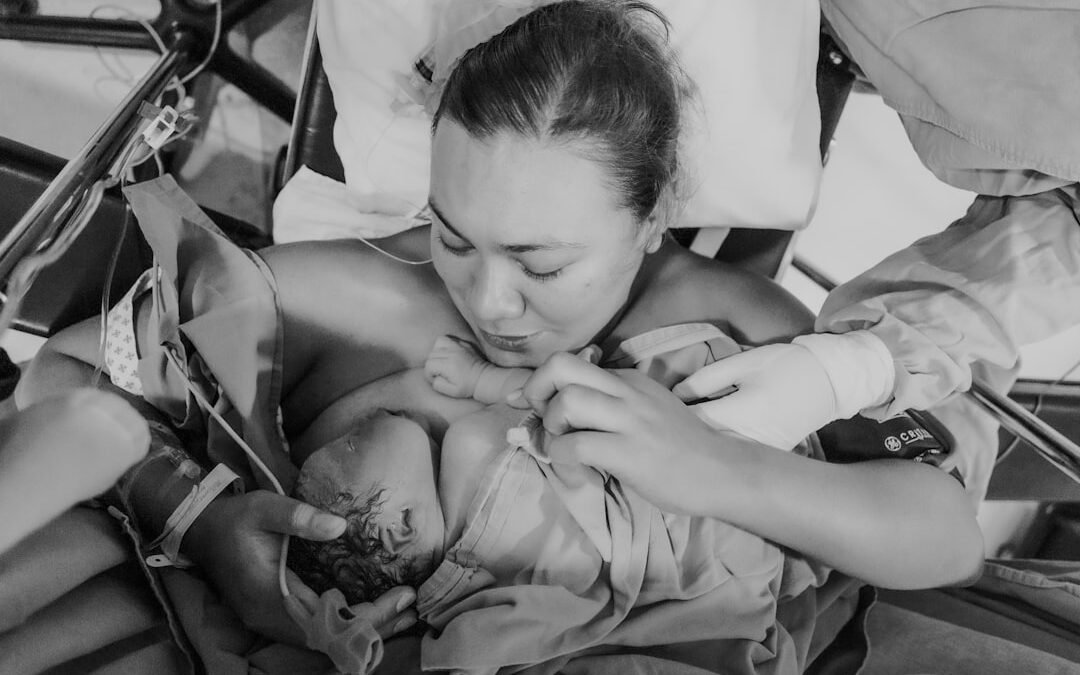
Navigating the landscape of maternity health insurance in India can be a daunting task, especially for first-time parents. As you embark on this journey, it’s essential to grasp the fundamental aspects of maternity health insurance. This type of insurance is designed to cover the medical expenses associated with pregnancy, childbirth, and postnatal care.
In a country where healthcare costs can be exorbitant, having a maternity health insurance plan can provide you with financial security and peace of mind during one of the most significant phases of your life. In India, maternity health insurance typically covers a range of services, including prenatal check-ups, hospitalization during delivery, and postnatal care. However, the specifics can vary widely from one insurer to another.
It’s crucial to understand the waiting periods, coverage limits, and any additional benefits that may be included in your policy. By familiarizing yourself with these details, you can make informed decisions that will benefit both you and your newborn.
Key Takeaways
- Maternity health insurance in India covers pregnancy-related medical expenses and newborn care.
- Key coverage includes prenatal, delivery, postnatal care, and newborn health benefits.
- Newborn health insurance requires consideration of coverage limits, waiting periods, and vaccination benefits.
- Important factors include policy terms, network hospitals, claim process, and premium costs.
- Understanding exclusions and carefully comparing plans helps in selecting the right maternity and newborn insurance.
Coverage Checklist for Maternity Health Insurance
When evaluating maternity health insurance plans, it’s vital to have a comprehensive checklist to ensure that you’re getting the coverage you need.
Start by examining the waiting period associated with the policy. Many insurers impose a waiting period of nine months to a year before you can claim maternity benefits.Knowing this timeline will help you plan accordingly and avoid any surprises when the time comes. Next, consider the extent of coverage for prenatal and postnatal care. A good maternity health insurance plan should include regular check-ups, necessary tests, and consultations with healthcare professionals throughout your pregnancy.
Additionally, look for coverage that extends to complications that may arise during pregnancy or childbirth. This aspect is often overlooked but is crucial for ensuring that you are financially protected in case of unexpected medical issues.
Newborn Health Insurance in India: What to Consider
As you prepare for the arrival of your little one, it’s equally important to think about newborn health insurance. This type of insurance is designed to cover medical expenses incurred by your newborn during their early days and beyond. In India, newborn health insurance can be a lifesaver, as it provides coverage for various medical needs, including vaccinations, routine check-ups, and any unforeseen health issues that may arise shortly after birth.
When considering newborn health insurance, it’s essential to evaluate the age at which your child can be added to your existing policy or when they can be covered under a separate plan. Some insurers allow you to include your newborn in your maternity health insurance plan immediately after birth, while others may require a separate policy. Understanding these nuances will help you make informed decisions about your family’s healthcare needs.
Key Factors to Consider for Newborn Health Insurance Coverage
When selecting newborn health insurance coverage, several key factors should guide your decision-making process. First and foremost, assess the coverage limits and benefits offered by different policies. Look for plans that provide comprehensive coverage for common newborn ailments and conditions, as well as those that include preventive care such as vaccinations and regular check-ups.
Another critical factor is the network of hospitals associated with the insurance provider. Ensure that reputable hospitals and pediatricians are included in the insurer’s network so that you have access to quality healthcare when needed. Additionally, consider the claim settlement process; a smooth and efficient claims process can significantly reduce stress during an already challenging time.
Maternity and Newborn Health Insurance Plans in India: What to Look For
| Coverage Aspect | Description | Typical Coverage Limit | Notes |
|---|---|---|---|
| Pre-delivery Expenses | Medical expenses incurred before delivery, including prenatal checkups and tests | Up to 3 months of expenses | Usually covered for 3-6 months prior to delivery |
| Delivery Charges | Costs related to normal or cesarean delivery | Varies, often up to 50,000 – 1,50,000 | Coverage depends on hospital and plan |
| Post-delivery Expenses | Medical expenses after delivery including postnatal checkups | Up to 3 months of expenses | Typically covered for 3 months post delivery |
| Newborn Baby Coverage | Medical expenses for the newborn baby including vaccinations and treatment | Varies, often included up to policy sum insured | Some plans cover newborn from birth up to 90 days |
| Waiting Period | Time period before maternity benefits become active | Typically 9-12 months | Important to check before purchasing |
| Pre-existing Conditions | Coverage for pre-existing maternal health conditions | Varies by insurer | May require additional premium or exclusion |
| Hospital Network | List of hospitals where cashless treatment is available | Varies | Check insurer’s network for preferred hospitals |
| Additional Benefits | Includes coverage for complications, prenatal vitamins, and diagnostic tests | Varies | Depends on plan features |
As you explore various maternity and newborn health insurance plans in India, there are several features you should prioritize. First, look for policies that offer cashless hospitalization options. This feature allows you to receive medical treatment without having to pay upfront, making it easier for you during emergencies or unexpected situations.
Moreover, consider plans that provide coverage for both normal and cesarean deliveries. Some insurers may have restrictions on the type of delivery covered or impose additional charges for cesarean sections. Understanding these details will help you choose a plan that aligns with your birthing preferences and needs.
Tips for Choosing the Right Maternity and Newborn Health Insurance Plan
Choosing the right maternity and newborn health insurance plan requires careful consideration and research. Start by comparing multiple policies from different insurers to identify which ones offer the best coverage at competitive premiums. Utilize online comparison tools or consult with an insurance advisor to streamline this process.
Additionally, read customer reviews and testimonials to gauge the experiences of other policyholders. Their insights can provide valuable information about the insurer’s customer service, claim settlement efficiency, and overall satisfaction with the policy. Finally, don’t hesitate to ask questions or seek clarification on any terms or conditions that seem unclear; understanding your policy is crucial for making informed decisions.
Common Exclusions in Maternity and Newborn Health Insurance Policies
While maternity and newborn health insurance policies offer valuable coverage, it’s essential to be aware of common exclusions that may apply. Many policies do not cover pre-existing conditions related to pregnancy or childbirth if they were diagnosed before purchasing the insurance. This exclusion can significantly impact your financial planning if you have any underlying health issues.
Additionally, certain policies may not cover elective procedures or treatments that are not deemed medically necessary. For instance, cosmetic surgeries or treatments related to infertility may fall outside the scope of coverage. Familiarizing yourself with these exclusions will help you avoid unexpected out-of-pocket expenses when seeking medical care.
Importance of Maternity and Newborn Health Insurance in India
The importance of maternity and newborn health insurance in India cannot be overstated. With rising healthcare costs and increasing medical complexities associated with childbirth, having adequate insurance coverage is essential for safeguarding your family’s financial future. This type of insurance not only alleviates the financial burden associated with childbirth but also ensures access to quality healthcare services when you need them most.
Moreover, maternity and newborn health insurance fosters a sense of security during a time filled with uncertainty and excitement. Knowing that you have financial protection allows you to focus on what truly matters—welcoming your new baby into the world and nurturing them in their early days. In a country where healthcare can be unpredictable, investing in maternity and newborn health insurance is a proactive step toward ensuring a healthy start for both mother and child.
When considering Maternity and Newborn Health Insurance in India, it’s essential to understand the broader context of insurance claims and coverage options. A related article that provides valuable insights is Navigating Insurance Claim Settlement: A Comprehensive Guide, which outlines the processes and tips for effectively managing insurance claims. This resource can help new parents navigate the complexities of their health insurance policies, ensuring they receive the benefits they are entitled to during this crucial time.
FAQs
What is maternity and newborn health insurance in India?
Maternity and newborn health insurance in India is a specialized health insurance policy that covers medical expenses related to pregnancy, childbirth, and the care of the newborn baby. It typically includes coverage for prenatal and postnatal care, delivery charges, and sometimes newborn baby health check-ups and vaccinations.
Who is eligible to buy maternity and newborn health insurance in India?
Generally, women of reproductive age who are planning to conceive or are already pregnant can purchase maternity and newborn health insurance. Some insurers may require the policy to be bought before pregnancy or within a specific waiting period. Eligibility criteria can vary by insurer.
What does maternity and newborn health insurance typically cover?
Coverage usually includes prenatal consultations, diagnostic tests, delivery charges (normal or cesarean), hospitalization expenses, postnatal care, newborn baby care, vaccinations, and sometimes complications related to pregnancy or childbirth. Some policies also cover newborn illnesses for a limited period.
Is there a waiting period for maternity and newborn health insurance policies?
Yes, most maternity insurance policies in India have a waiting period, typically ranging from 9 months to 4 years, before maternity benefits can be claimed. This waiting period is designed to prevent misuse of the policy.
Can maternity and newborn health insurance be purchased as a standalone policy?
Yes, some insurers offer standalone maternity and newborn health insurance plans. However, maternity coverage is also commonly available as an add-on or rider to a regular health insurance policy.
Are pre-existing conditions related to pregnancy covered under maternity insurance?
Coverage for pre-existing conditions related to pregnancy varies by insurer and policy. Some policies may exclude certain pre-existing conditions or require additional waiting periods. It is important to read the policy terms carefully.
How much does maternity and newborn health insurance cost in India?
The premium for maternity and newborn health insurance depends on factors such as the sum insured, waiting period, coverage benefits, the age of the insured, and the insurer’s policies. Premiums can range from a few thousand to several tens of thousands of Indian Rupees annually.
Can maternity and newborn health insurance be claimed for home births?
Most maternity insurance policies cover hospital deliveries and may not cover home births. It is advisable to check the policy terms to confirm coverage details.
Is newborn baby coverage automatic with maternity insurance?
Newborn coverage is often included but may be limited to a certain period after birth. Some policies require separate enrollment for the newborn child’s health insurance after the initial coverage period.
How to choose the right maternity and newborn health insurance plan?
Consider factors such as coverage benefits, waiting period, sum insured, network hospitals, premium cost, claim settlement ratio, and exclusions. Comparing multiple plans and reading customer reviews can help in selecting the most suitable policy.