
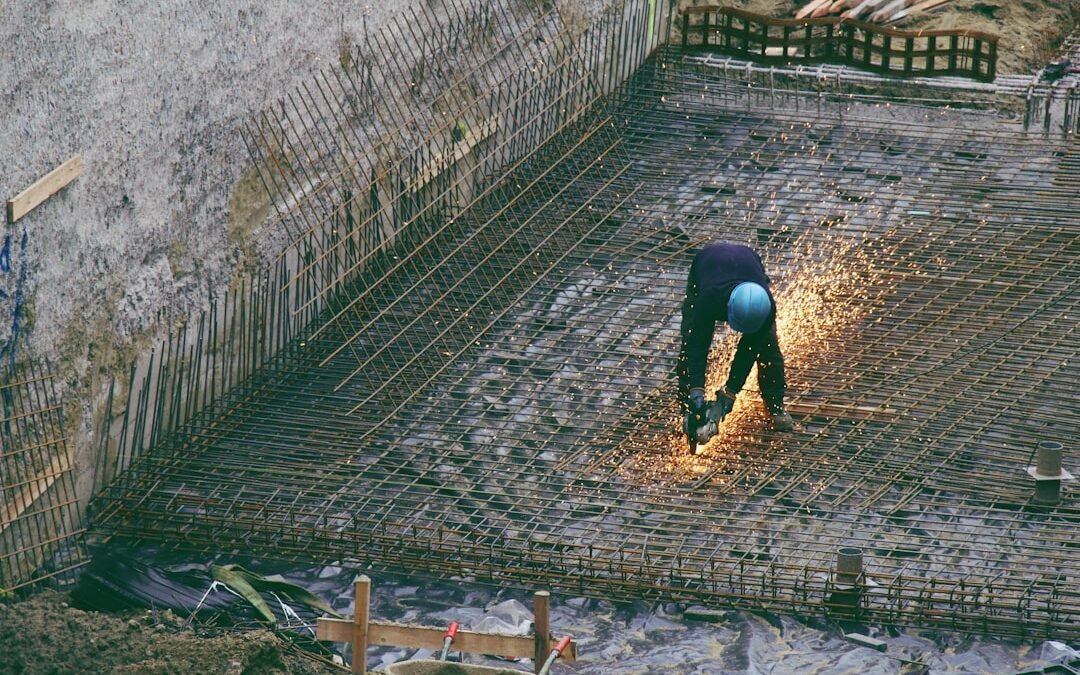
Life insurance, a financial safety net, becomes particularly crucial when your profession exposes you to inherent dangers. In India, numerous occupations are categorized as high-risk, demanding a closer look at how life insurance adapts to these unique circumstances. This article will guide you through the intricacies of obtaining life insurance if you are a pilot, construction worker, or factory worker, professions that, while vital to the nation’s progress, carry significant occupational hazards.
When you apply for life insurance, insurers assess your vulnerability to risk. This assessment isn’t a judgment of your character or skill, but a pragmatic evaluation of your statistical likelihood of making a claim. High-risk occupations are those where the probability of injury, illness, or death is statistically higher than in standard professions. This elevated risk is primarily due to the nature of the work environment, the tools and machinery involved, and the inherent stresses.
What Constitutes a High-Risk Occupation?
In India, an occupation is typically deemed high-risk if it involves:
- Exposure to hazardous materials: This includes chemicals, radiation, or infectious agents.
- Operating dangerous machinery: Heavy machinery, high-speed equipment, or complex industrial apparatuses fall into this category.
- Working at significant heights or in confined spaces: Construction workers frequently encounter these conditions.
- Operating vehicles or aircraft in demanding conditions: Pilots, for instance, operate complex machinery under varying environmental pressures.
- Exposure to extreme environmental conditions: This could range from intense heat in smelting factories to extreme cold.
- Performing physically demanding or strenuous tasks consistently: This elevates the risk of musculoskeletal injuries or cardiovascular issues over time.
- Working in areas with a high incidence of accidents: Certain industrial zones or construction sites might be statistically riskier.
- Occupations involving a high degree of responsibility where errors can have catastrophic consequences: While not directly physical, the mental stress can contribute to health issues.
The Underwriter’s Lens: How Insurers View Your Profession
Imagine an underwriter as a meticulous cartographer, charting potential perils. They don’t just see a job title; they delve into the specifics of your daily activities. For example, two factory workers might have vastly different risk profiles if one operates a delicate automated arm while the other works near molten metal. Insurers utilize a complex system of risk classification, often categorizing occupations into tiers based on their perceived hazard level. Your premium is directly correlated with this classification. Higher risk generally translates to higher premiums, reflecting the increased potential for a payout during the policy term.
For individuals in high-risk occupations such as pilots, construction workers, and factory workers in India, understanding the nuances of life insurance is crucial. A related article that provides valuable insights into the importance of insurance coverage for travelers, which can also be beneficial for those in high-risk jobs, is available at Travel Insurance Coverage for Indian Travelers. This article discusses various insurance options that can help protect against unforeseen circumstances, emphasizing the need for comprehensive coverage in high-risk scenarios.
Life Insurance for Pilots: Navigating the Skies with a Safety Net
Pilots, the custodians of the clouds, face a unique blend of physical and mental demands. While aerospace technology has made air travel incredibly safe, the inherent risks of controlling a complex machine millions of feet above the ground are undeniable.
Specific Risks Faced by Pilots
Your life as a pilot presents several distinct challenges that underwriters scrutinize:
- Aviation Accidents: Though rare, crashes are catastrophic. This is the most obvious and significant risk factor.
- Sudden Medical Incapacitation: A pilot must maintain peak physical and mental health. Any sudden medical event, even a minor one, can have disastrous consequences. Regular medical evaluations are mandatory for a reason.
- Psychological Stress: The immense responsibility, long duty hours, time zone changes, and the constant need for vigilance can lead to significant stress, which can impact overall health.
- Exposure to Radiation: While minimal in modern aircraft, pilots are exposed to slightly higher levels of cosmic radiation compared to the general population.
- Equipment Malfunction: While highly regulated, the possibility of unforeseen mechanical failures always exists.
Types of Life Insurance Policies for Pilots
You will find that most standard life insurance products are available to you, but with adjustments:
- Term Life Insurance: This is often the most accessible option. It provides coverage for a specific period (e.g., 10, 20, 30 years). It pays a death benefit if you pass away during the term. Due to your risk profile, you might encounter higher premiums or be required to undergo more stringent medical examinations. Some insurers might offer “aviation clauses” that exclude coverage during specific types of flight or military operations. Always read these clauses carefully.
- Whole Life Insurance: This offers lifetime coverage and typically builds cash value over time. While more expensive than term insurance, it provides a stable long-term financial plan. Underwriters will apply similar risk assessments as with term policies.
- Endowment Plans: These combine life insurance with a savings component, paying a lump sum at the end of the policy term or upon your death. They can be a viable option if you are looking for both protection and a guaranteed return.
- Unit-Linked Insurance Plans (ULIPs): These plans combine life insurance with investment opportunities. A portion of your premium goes towards life cover, and the rest is invested in various funds. While offering potential for higher returns, they also carry investment risk.
Mitigating Risk for Lower Premiums
While your profession comes with inherent risks, you can actively demonstrate a commitment to safety and health, which may influence your premium:
- Maintain Excellent Health: Regular medical check-ups and a healthy lifestyle (non-smoking, good diet, exercise) are paramount. This directly impacts your insurability.
- Demonstrate Experience and Safety Record: A long, unblemished flight record and adherence to all safety protocols can be persuasive to an underwriter.
- Choose Reputable Insurers: Some insurance companies in India specialize in high-risk occupations and might offer more favorable terms due to their expertise in assessing these specific risks.
Life Insurance for Construction Workers: Building a Secure Foundation

The construction site is a crucible of human endeavor, demanding physical strength and precision, but also presenting a constant tableau of potential dangers. For you, the construction worker, life insurance is not just a policy; it’s a critical scaffold supporting your family’s future.
Inherent Dangers of Construction Work
Your daily work environment often exposes you to a multitude of hazards:
- Falls from Heights: A primary cause of serious injury and fatalities. Scaffolding, unprotected edges, and open shafts are ever-present risks.
- Struck-By Accidents: Falling objects, moving equipment, and swinging loads pose significant threats.
- Electrocution: Contact with live wires, faulty equipment, or inadequate electrical safety measures can be fatal.
- Caught-In/Between Accidents: Limbs or bodies getting caught in machinery, between materials, or in collapsing structures.
- Excavation and Trench Collapse: Unstable ground or improper shoring can lead to deadly cave-ins.
- Exposure to Hazardous Materials: Asbestos, lead, chemicals, and silica dust can lead to long-term health complications.
- Heavy Machinery Operation: Operating cranes, excavators, and other large equipment carries inherent operational risks.
- Manual Handling Injuries: Lifting, carrying, and moving heavy materials can result in musculoskeletal disorders over time.
Navigating Life Insurance Options
Given the nature of your work, insurers will closely evaluate the specifics of your role:
- Term Life Insurance: This is generally the most straightforward option. Expect a loading on your premiums, which is an additional charge due to the increased risk associated with your occupation. Some policies might have specific clauses related to workplace accidents. Review these carefully.
- Group Life Insurance: Many construction companies offer group life insurance as part of their employment benefits. This can be a highly advantageous option, as the company often subsidizes premiums, and underwriting requirements might be less stringent for individual employees within the group. It’s crucial to understand what happens to this policy if you change employers.
- Rider Benefits: Consider adding riders to your base policy for enhanced protection. These might include:
- Accidental Death Benefit Rider: Pays an additional sum if death occurs due to an accident. Highly relevant for construction workers.
- Permanent and Partial Disability Rider: Provides a payout if you suffer a disability that prevents you from working. This is critical as workplace accidents can often lead to long-term disabilities.
- Critical Illness Rider: Pays a lump sum upon diagnosis of a specified critical illness. Exposure to certain elements on construction sites can increase susceptibility to some illnesses.
Group Insurance vs. Individual Policy
You might be wondering whether to rely solely on group insurance or purchase an individual policy. Think of group insurance as a sturdy communal umbrella, while an individual policy is a tailored, personal one.
- Group Insurance Advantages: Lower premiums (often employer-subsidized), simpler application process, potentially fewer medical checks.
- Group Insurance Disadvantages: Coverage amount might be limited, often tied to employment (you lose coverage if you leave the company), and less customizable.
- Individual Policy Advantages: You choose the sum assured, customize riders, and the policy is your own, regardless of employment changes.
- Individual Policy Disadvantages: Higher premiums, more rigorous underwriting.
Ideally, you would have both. Group insurance forms a base, and an individual policy supplements it, ensuring comprehensive coverage tailored to your family’s needs.
Life Insurance for Factory Workers: The Industrial Shield
Factory workers are the gears of India’s industrial engine, operating complex machinery, handling raw materials, and ensuring production lines hum efficiently. While technological advancements have improved safety, factories remain environments where precision, vigilance, and adherence to safety protocols are paramount.
Categorizing Factory Risks
Your exposure to risk as a factory worker can vary dramatically depending on your specific role and the industry:
- Heavy Industry (e.g., steel, cement, heavy machinery manufacturing): High exposure to heavy machinery, extreme temperatures, noise pollution, dust, and potential for severe physical injury.
- Chemical Industry: Risk of exposure to corrosive, toxic, or flammable chemicals, leading to respiratory issues, burns, or long-term health problems.
- Textile Industry: Risks include repetitive strain injuries, exposure to dust and fibers, and machinery-related accidents.
- Automobile Manufacturing: Exposure to heavy moving parts, welding fumes, and repetitive tasks.
- Food Processing: Risk of cuts, slips, exposure to extreme temperatures, and sanitation-related health issues.
Underwriters will differentiate between, for instance, a quality control inspector in a clean room and a smelter working near a furnace.
Factors Influencing Your Premium
When you apply, insurers will consider:
- Specific Job Role: A machine operator will likely have a higher risk profile than an administrative staff member within the same factory.
- Type of Machinery Operated: Manual presses vs. robotic assembly lines present different levels of risk.
- Safety Protocols and Training: Insurers might inquire about the factory’s safety records and the training you have received.
- Work Environment: Is it noisy, dusty, does it involve extreme temperatures, or is there a risk of chemical exposure?
- Shift Work: Irregular shift patterns can impact health over time and might be a factor for some insurers.
- Exposure to Hazardous Substances: As mentioned, this is a significant factor.
Tailoring Your Policy with Riders
As a factory worker, certain riders can significantly enhance the value of your life insurance:
- Workmen’s Compensation Complement: While your employer is legally obliged to provide workmen’s compensation, an accidental death and disability rider on your personal life insurance policy can offer a substantial additional payout, providing a more robust financial safety net beyond statutory minimums.
- Hospital Cash Rider: If an accident leads to prolonged hospitalization, this rider provides a daily cash benefit, helping to cover incidental expenses not covered by health insurance.
- Waiver of Premium Rider: If you become permanently disabled and unable to work, this rider ensures that your policy remains active without you having to pay future premiums. This is invaluable in high-risk occupations where disability is a tangible threat.
For individuals working in high-risk occupations such as pilots, construction workers, and factory employees, understanding the nuances of life insurance is crucial for financial security. A related article discusses the importance of group personal accident insurance and employer liability coverage specifically tailored for factory workers in India. This insightful piece highlights how comprehensive insurance plans can safeguard employees in hazardous environments. To learn more about these essential protections, you can read the full article here.
The Application Process: A Transparent Pathway
| Occupation | Average Annual Premium (INR) | Coverage Amount (INR) | Common Risk Factors | Claim Settlement Ratio (%) | Typical Exclusions |
|---|---|---|---|---|---|
| Pilots | 50,000 – 1,50,000 | 50,00,000 – 2,00,00,000 | Flight hours, type of aircraft, medical history | 85 – 90 | Suicide within 1 year, pre-existing conditions, hazardous recreational activities |
| Construction Workers | 15,000 – 40,000 | 10,00,000 – 50,00,000 | Worksite hazards, use of machinery, height exposure | 80 – 85 | Accidents due to negligence, substance abuse, war or terrorism |
| Factory Workers | 10,000 – 30,000 | 5,00,000 – 30,00,000 | Exposure to chemicals, machinery accidents, shift work | 78 – 83 | Occupational diseases not declared, self-inflicted injuries, illegal activities |
Applying for life insurance when you have a high-risk occupation is not fundamentally different, but it involves a more detailed inquiry. Transparency is your most powerful tool during this process.
Disclosing Your Occupation
The first and most critical step is to be absolutely honest about your profession. Any misrepresentation, intentional or unintentional, can lead to your claim being denied later, leaving your family unprotected. Think of it as laying all your cards on the table.
Medical Underwriting: Your Health Blueprint
You will likely undergo a more thorough medical examination than someone in a low-risk job. This isn’t punitive; it’s a necessary step for the insurer to accurately assess your health baseline given the demands of your profession. This might include:
- Detailed Medical History Questionnaire: You’ll answer questions about past illnesses, injuries, medications, and family medical history.
- Physical Examination: A doctor will check vital signs, conduct blood and urine tests, and possibly an ECG.
- Occupational Health Questions: Questions specific to your job, such as exposure to chemicals, type of machinery operated, and safety training.
- Hazardous Hobby Disclosure: If you engage in high-risk hobbies like skydiving or mountaineering, these also need to be disclosed as they add another layer of risk.
Policy Exclusions and Loadings
It’s crucial to be aware of how your high-risk occupation might affect the final policy:
- Loadings (Extra Premiums): As discussed, you will likely pay a higher premium than someone in a standard occupation, known as a “loading.” This is a statistical adjustment for the increased risk. The amount of loading will depend on the insurer’s assessment of your specific job hazards.
- Specific Exclusions: Some policies might contain clauses excluding coverage for death or injury directly resulting from specific occupational hazards. For example, an aviation clause might exclude coverage if death occurs during certain types of experimental flights. Always read the fine print and clarify any exclusions with your insurer.
- Deferred Coverage: In very rare and extreme cases, or if you have pre-existing health conditions compounded by your occupation, an insurer might defer coverage for a certain period or decline your application altogether. However, this is less common with standard high-risk occupations if you are otherwise in good health.
Beyond the Policy: Taking Control of Your Safety and Future
While life insurance provides essential financial protection, it is always a reactive measure. Your proactive commitment to safety and well-being in your demanding profession is the primary shield.
Prioritizing Workplace Safety
For you, a pilot, construction worker, or factory worker, safety is not merely a regulation; it’s a way of life that directly impacts your insurability and, more importantly, your longevity.
- Adhere to Safety Protocols: Always follow established safety procedures, wear appropriate Personal Protective Equipment (PPE), and participate actively in safety training. This is non-negotiable.
- Regular Health Check-ups: Beyond what your employer requires, schedule personal health checks to monitor any potential long-term effects of your work.
- Invest in Continuous Training: Stay updated on the latest safety practices and technological advancements in your field.
- Report Unsafe Conditions: Don’t hesitate to report any hazardous conditions or practices you observe. Your life, and the lives of your colleagues, depend on it.
Reviewing and Updating Your Coverage
Life is not static, and neither should be your insurance policy. As your family grows, your financial needs change, and your career progresses:
- Annual Review: Make it a habit to review your life insurance policy annually. Are the coverage amounts still adequate? Have your dependents’ needs changed?
- Life Events Trigger Review: Marriage, the birth of a child, a new home, or a promotion with increased responsibilities are all catalysts for reassessing your coverage.
- Seek Professional Advice: Consult with a qualified insurance advisor who understands the nuances of high-risk occupations. They can help you navigate complex terms, compare different policies, and ensure your coverage remains robust.
In conclusion, while your profession places you in a higher risk category, access to life insurance in India is certainly available. It demands a bit more diligence in disclosure and understanding of policy terms, but the peace of mind it offers to you and your loved ones is an investment well worth making. Your dedication builds the nation; let life insurance build a secure foundation for your future and for those who depend on you.
FAQs
What qualifies as a high-risk occupation in India for life insurance purposes?
High-risk occupations in India typically include jobs that involve a higher probability of injury or death due to the nature of the work. Examples include pilots, construction workers, factory workers, miners, and other roles involving heavy machinery, heights, or hazardous environments.
Is life insurance more expensive for individuals in high-risk occupations?
Yes, life insurance premiums are generally higher for individuals in high-risk occupations because insurers assess a greater risk of claims. The increased premium reflects the higher likelihood of accidents or health issues related to the job.
Can pilots, construction workers, and factory workers get life insurance coverage in India?
Yes, individuals in these professions can obtain life insurance in India. However, they may face stricter underwriting criteria, higher premiums, or specific exclusions related to their occupation. Some insurers offer specialized policies tailored for high-risk jobs.
Are there any specific life insurance policies designed for high-risk occupation workers in India?
Some insurance companies in India offer customized or specialized life insurance plans that cater to high-risk occupation workers. These policies may include additional coverage for accidental death or disability and may have terms adjusted to the risks associated with the occupation.
What factors do insurers consider when underwriting life insurance for high-risk occupations?
Insurers evaluate several factors including the nature of the job, work environment, safety measures in place, the applicant’s health, age, and lifestyle. They may also consider the frequency and severity of accidents in the occupation to determine eligibility and premium rates.