

Maternity health insurance in India is a crucial aspect of healthcare that provides financial support to expectant mothers during pregnancy, childbirth, and the postnatal period. As you navigate this journey, it’s essential to understand the various components of maternity health insurance, including coverage options, waiting periods, and the benefits it offers. In a country where healthcare costs can be overwhelming, having a maternity health insurance plan can alleviate some of the financial burdens associated with childbirth.
This type of insurance typically covers expenses related to prenatal care, delivery, and postnatal care, ensuring that you receive the necessary medical attention during this critical time. In recent years, the awareness and demand for maternity health insurance have grown significantly in India. Many insurance providers now offer specialized plans tailored to meet the needs of expectant mothers.
These plans often include coverage for hospitalization, doctor consultations, and even certain prenatal tests. However, it’s important to note that most policies come with a waiting period before you can claim benefits, which can range from nine months to two years. Understanding these nuances will help you make informed decisions about your maternity health insurance and ensure that you are adequately covered when the time comes.
Key Takeaways
- Maternity health insurance in India covers prenatal, delivery, and postnatal care, ensuring financial protection for mothers and newborns.
- Vaccination is crucial for newborns to prevent common diseases and is often supported by health insurance plans.
- Postnatal care is essential for both mother and baby, with many insurance policies including coverage for follow-up treatments.
- Government schemes and initiatives play a significant role in improving access to maternity and newborn health services.
- Choosing the right maternity health insurance plan involves evaluating coverage, waiting periods, and benefits tailored to mother and child needs.
Importance of Vaccination for Newborns in India
Vaccination is a cornerstone of public health, particularly for newborns in India. As a new parent, you play a vital role in safeguarding your child’s health by ensuring they receive timely vaccinations. Vaccines protect against various infectious diseases that can have severe consequences for infants, such as polio, measles, and hepatitis The immunization schedule recommended by the World Health Organization (WHO) and the Indian government outlines the essential vaccines that your newborn should receive within the first year of life.
By adhering to this schedule, you can significantly reduce the risk of your child contracting these diseases. In addition to protecting individual health, widespread vaccination contributes to herd immunity within communities. When a significant portion of the population is vaccinated, it helps prevent the spread of diseases, thereby protecting those who cannot be vaccinated due to medical reasons.
As you consider your newborn’s health, it’s crucial to stay informed about vaccination schedules and ensure that your child receives all necessary shots on time. This proactive approach not only safeguards your child’s well-being but also contributes to the overall health of society.
Postnatal Care and Health Insurance Coverage
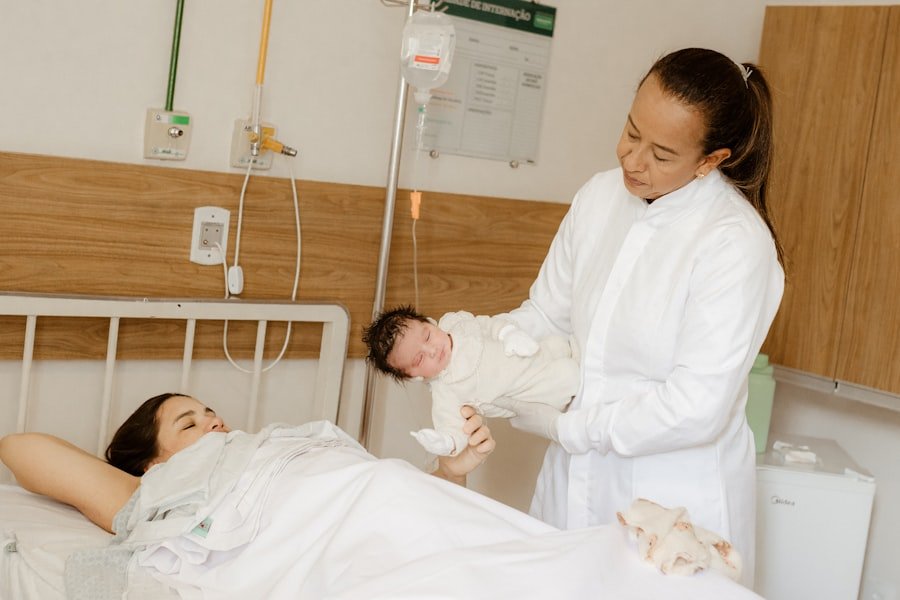
Postnatal care is an essential aspect of maternal and newborn health that often receives less attention than prenatal care or childbirth itself. After delivery, both you and your newborn require comprehensive medical support to ensure a healthy recovery. Postnatal care includes regular check-ups for the mother to monitor her physical and emotional well-being, as well as assessments for the newborn’s growth and development.
Health insurance coverage for postnatal care can vary significantly between plans, making it crucial for you to understand what your policy includes. Many maternity health insurance plans cover postnatal consultations and necessary medical procedures, but some may have limitations on the number of visits or specific services covered. It’s important to review your policy details carefully to ensure that you have access to adequate postnatal care.
This coverage can be invaluable as it allows you to address any complications or concerns that may arise after childbirth, ensuring both you and your baby remain healthy during this critical period.
Government Initiatives for Maternity and Newborn Health in India
The Indian government has recognized the importance of maternal and newborn health and has implemented several initiatives aimed at improving healthcare access and outcomes. Programs such as the Janani Suraksha Yojana (JSY) provide financial assistance to pregnant women from low-income families, encouraging institutional deliveries and reducing maternal mortality rates. As a prospective parent, understanding these initiatives can help you take advantage of available resources and support systems.
In addition to financial assistance, the government has launched awareness campaigns focused on maternal health education and vaccination programs for newborns. These initiatives aim to empower parents with knowledge about prenatal care, safe delivery practices, and the importance of vaccinations. By participating in these programs, you can gain valuable insights into maintaining your health during pregnancy and ensuring your newborn receives the best possible start in life.
Private Health Insurance Options for Maternity and Newborns
| Metric | Details | India Context | Notes |
|---|---|---|---|
| Health Insurance Coverage for Maternity | Percentage of women covered under maternity health insurance | Approximately 20-30% of women have maternity insurance coverage | Coverage varies widely between urban and rural areas |
| Average Maternity Insurance Sum Insured | Typical sum insured amount for maternity benefits | Ranges from 50,000 to 300,000 INR | Higher sums insured available in premium plans |
| Newborn Baby Vaccination Coverage | Percentage of newborns receiving recommended vaccinations | About 62% of newborns receive full immunization as per national schedule | Government programs like UIP support vaccination |
| Postnatal Care Visits | Average number of postnatal care visits within 6 weeks of delivery | Approximately 2-3 visits on average | WHO recommends at least 3 visits for mother and newborn |
| Government Schemes Supporting Maternity Care | Examples of schemes providing financial or health support | Janani Suraksha Yojana, Pradhan Mantri Matru Vandana Yojana | Focus on institutional delivery and cash incentives |
| Private Health Insurance Providers Offering Maternity Benefits | Number of major insurers with maternity coverage | 10+ major insurers offer maternity add-ons or plans | Waiting periods typically 9-12 months before coverage starts |
| Common Vaccines for Newborns | Vaccines included in the first 6 weeks | BCG, OPV, Hepatitis B, DPT | Provided free under government immunization programs |
While government initiatives play a significant role in supporting maternal and newborn health, private health insurance options are also available for those seeking more comprehensive coverage. Many private insurers offer maternity health insurance plans that cater specifically to expectant mothers and their newborns. These plans often provide a wider range of benefits compared to government schemes, including coverage for elective procedures, advanced prenatal screenings, and access to private healthcare facilities.
When considering private health insurance options, it’s essential to compare different plans based on their coverage limits, waiting periods, and additional benefits. Some insurers may offer add-ons or riders that enhance your policy by including coverage for complications during pregnancy or neonatal care. By carefully evaluating these options, you can select a plan that aligns with your healthcare needs and provides peace of mind as you prepare for your new arrival.
Challenges and Barriers to Accessing Maternity Health Insurance in India
Despite the growing awareness of maternity health insurance in India, several challenges still hinder access for many families. One significant barrier is the lack of understanding about available options and benefits among expectant parents. Many individuals may not be aware of the importance of maternity health insurance or how to navigate the various policies available in the market.
This knowledge gap can lead to inadequate coverage or even a complete lack of insurance during a critical time. Additionally, financial constraints can pose a significant challenge for many families when considering maternity health insurance. The cost of premiums may deter some individuals from purchasing coverage, especially in lower-income households where every rupee counts.
Furthermore, certain policies may have long waiting periods or exclusions that make them less appealing to prospective parents. Addressing these challenges requires concerted efforts from both the government and private insurers to improve awareness and accessibility of maternity health insurance options.
Maternity Health Insurance: Coverage and Benefits for Newborns
Maternity health insurance not only supports expectant mothers but also extends its benefits to newborns. Coverage typically includes expenses related to neonatal care, such as hospitalization costs if your baby requires special attention after birth. This aspect of maternity health insurance is crucial because unexpected complications can arise during delivery or shortly after birth, leading to significant medical expenses.
In addition to hospitalization coverage, many policies also include provisions for vaccinations and routine check-ups during the first year of life. This ensures that your newborn receives essential healthcare services without incurring additional out-of-pocket expenses. By understanding the specific benefits offered by your maternity health insurance plan, you can better prepare for your baby’s healthcare needs and ensure they receive timely medical attention.
Tips for Choosing the Right Maternity Health Insurance Plan in India
Selecting the right maternity health insurance plan is a critical decision that requires careful consideration. Start by assessing your specific needs and those of your family. Consider factors such as your budget, preferred healthcare providers, and any existing medical conditions that may require special attention during pregnancy or after childbirth.
Once you have a clear understanding of your requirements, begin researching various insurance providers and their offerings. When comparing plans, pay close attention to key features such as waiting periods, coverage limits, exclusions, and additional benefits like postnatal care or neonatal coverage. It’s also wise to read customer reviews and seek recommendations from friends or family who have experience with maternity health insurance in India.
By taking these steps, you can make an informed choice that ensures both you and your newborn are well-protected during this transformative journey into parenthood.
When considering health insurance for maternity and newborn baby care in India, it’s essential to understand the broader context of medical coverage. A related article that delves into the benefits of medical coverage in India can provide valuable insights into how insurance can support postnatal care and vaccinations for newborns. You can read more about this topic in the article on unlocking the benefits of medical coverage in India. This resource can help you make informed decisions regarding health insurance options for maternity and newborn care.
FAQs
What does health insurance for maternity cover in India?
Health insurance for maternity in India typically covers expenses related to pregnancy, childbirth, and postnatal care. This includes hospital stays, delivery charges (normal or cesarean), prenatal and postnatal checkups, and sometimes newborn baby care and vaccinations.
Are newborn baby vaccinations covered under maternity health insurance plans?
Many maternity health insurance plans in India offer coverage for newborn vaccinations as part of their benefits. However, coverage can vary by insurer and plan, so it is important to check the policy details to confirm if vaccinations are included.
Is postnatal care included in maternity health insurance policies?
Yes, postnatal care is often included in maternity health insurance policies. This covers medical checkups and treatments for the mother after delivery, ensuring proper recovery and health monitoring during the postpartum period.
What is the waiting period for maternity benefits in health insurance plans?
Most health insurance plans in India have a waiting period for maternity benefits, typically ranging from 9 months to 4 years. This means the policyholder must wait for this duration after purchasing the plan before claiming maternity-related expenses.
Can I get maternity health insurance if I am already pregnant?
Generally, maternity health insurance plans do not cover pregnancies that are already ongoing at the time of policy purchase. It is advisable to buy maternity insurance before conception to ensure coverage.
Are pre-existing conditions related to pregnancy covered?
Pre-existing conditions related to pregnancy are usually not covered during the initial waiting period. After the waiting period, some plans may cover complications arising from pre-existing conditions, but this varies by insurer.
How much coverage is typically provided for maternity and newborn care?
Coverage amounts vary widely depending on the plan and insurer. Typical maternity coverage ranges from INR 50,000 to INR 5,00,000 or more, including delivery, postnatal care, and newborn vaccinations.
Can maternity health insurance be purchased as a standalone policy?
Yes, some insurers offer standalone maternity health insurance plans. Alternatively, maternity coverage can also be included as an add-on or rider to a family health insurance policy.
Are home births covered under maternity health insurance?
Most maternity health insurance plans cover hospital deliveries and may not cover home births. It is important to verify the policy terms regarding the place of delivery.
How can I ensure my newborn baby is covered under my health insurance?
To cover your newborn, you typically need to add the baby to your health insurance policy within a specified time frame after birth, often within 30 to 90 days. This ensures the baby is covered for vaccinations and medical care.