

Navigating the complex landscape of healthcare choices can be daunting, particularly when faced with a chronic illness that demands continuous, expensive treatment. For you, as a kidney patient in India, understanding the nuances of health insurance for dialysis and transplant is not merely beneficial; it is foundational to safeguarding your financial well-being and ensuring access to life-sustaining care. This article aims to be your compass, guiding you through the intricacies of available coverage, governmental schemes, and private insurance options, offering clarity in a often-murky domain.
Kidney disease, specifically end-stage renal disease (ESRD), acts as a relentless drain on both your physical and financial reserves. The path forward, whether through dialysis or transplant, is paved with significant costs.
The Staggering Cost of Treatment
Consider the financial burden. Dialysis, a treatment that replicates the kidney’s filtering function, is a recurring expense. A typical hemodialysis session in a private facility can cost anywhere from INR 2,000 to INR 4,000. If you require three sessions per week, your monthly expenditure rockets to INR 24,000 to INR 48,000, not including medications, travel, and other incidental costs. This is a perpetual pipeline of expenditure, running indefinitely.
The Transplant: A One-Time Investment, Lifelong Maintenance
Kidney transplantation offers a chance at a more normal life, but it comes with an even larger upfront cost. The surgery itself, including pre-transplant investigations, donor work-up, and post-operative care, can range from INR 5 lakhs to INR 15 lakhs or even more in premier hospitals. Beyond the initial surgery, you face a lifetime of immunosuppressant medications, a non-negotiable expense that can cost INR 10,000 to INR 30,000 per month. Without adequate insurance, these costs can quickly overwhelm your savings and lead to severe financial distress, forcing you to choose between your health and your financial stability.
The Growing Need for Comprehensive Coverage
The incidence of kidney disease in India is on the rise, placing a greater strain on healthcare infrastructure and individual finances. A report by the Indian Council of Medical Research (ICMR) indicates a significant increase in chronic kidney disease (CKD) prevalence. This demographic shift underscores the critical need for robust health insurance policies that specifically address the unique requirements of kidney patients. You are not alone in this struggle, and the demand for better coverage is a collective voice.
For kidney patients in India, understanding health insurance options, particularly for dialysis and transplant coverage, is crucial. A related article that provides valuable insights into the implications of life insurance policy lapses in India can be found at this link: Consequences of Life Insurance Policy Lapse in India. This resource can help patients navigate the complexities of insurance policies, ensuring they maintain adequate coverage during critical health challenges.
Understanding Your Insurance Options: A Two-Pronged Approach
Your journey to securing financial protection can generally be categorized into two main avenues: government-sponsored schemes and private health insurance. Each has its own eligibility criteria, benefits, and limitations, and understanding these distinctions is crucial for you to make an informed decision.
Government-Sponsored Schemes: A Safety Net for Many
The Indian government, recognizing the financial burden of critical illnesses, has rolled out several initiatives to provide financial assistance. These schemes are often a lifeline for those who might otherwise be unable to afford treatment.
Ayushman Bharat Yojana (PMJAY)
The Pradhan Mantri Jan Arogya Yojana (PMJAY), an integral part of Ayushman Bharat, is arguably the world’s largest health assurance scheme. It provides a health cover of INR 5 lakhs per family per year for secondary and tertiary care hospitalization.
Coverage for Kidney Disease Under PMJAY
For you, as a kidney patient, PMJAY offers substantial relief. It covers both dialysis and kidney transplantation. For dialysis, specific packages are defined, and for transplantation, the scheme covers the cost of the surgery, including pre-operative investigations, the transplant procedure itself (both donor and recipient), and post-operative care, up to the annual limit. Eligibility is based on socio-economic criteria, determined by the Socio-Economic Caste Census (SECC) data. If you fall within the beneficiary categories, this scheme can significantly alleviate your financial burden.
State-Specific Schemes
Beyond PMJAY, many state governments in India have their own health insurance schemes tailored to the needs of their populations. Examples include the Arogyasri scheme in Telangana and Andhra Pradesh, the Chief Minister’s Comprehensive Health Insurance Scheme in Tamil Nadu, and the Mahatma Jyotiba Phule Jan Arogya Yojana in Maharashtra.
How State Schemes Complement/Overlap PMJAY
These state schemes often complement PMJAY, providing additional coverage or catering to a broader segment of the population not covered by the national scheme. Some states have also enhanced the financial limits for critical illnesses like kidney transplantation beyond the PMJAY limits. You should investigate your specific state’s offerings, as they might provide a more comprehensive safety net or higher limits for your treatment.
Private Health Insurance: Tailored Protection
For those not eligible for government schemes, or for those seeking broader coverage and more flexibility, private health insurance policies are the primary recourse. However, navigating the private insurance market with a pre-existing condition like kidney disease requires careful consideration.
Challenges of Pre-Existing Conditions
A pre-existing condition clause is a significant hurdle. Most private health insurance policies in India define a pre-existing condition as any illness, disease, ailment, or injury for which you had signs or symptoms and/or were diagnosed and/or received medical advice/treatment within 48 months prior to the first policy inception.
Waiting Periods for Kidney Disease
For a condition as severe as kidney disease, insurers typically impose significant waiting periods. This means that even if you purchase a policy, you might have to wait one to four years before you can claim for dialysis or transplant-related expenses. Some policies might also have specific waiting periods for “specified diseases,” which often include kidney failure and related treatments. It is imperative that you thoroughly review the policy document for these clauses.
Understanding Specific Policy Inclusions and Exclusions
Not all policies are created equal. While many standard health insurance plans offer coverage for hospitalization and medical expenses, the specifics regarding organ transplantation and chronic illness management can vary wildly.
Dialysis Coverage in Private Plans
Most comprehensive private health insurance plans cover in-patient hospitalization for dialysis, as well as day care procedures. However, the extent of coverage for home hemodialysis or continuous ambulatory peritoneal dialysis (CAPD) might differ. Some plans may require prior authorization for dialysis treatments or have co-payment clauses, meaning you pay a percentage of the bill.
Transplant Coverage in Private Plans
For kidney transplantation, private plans typically cover the hospitalization expenses for both the donor and the recipient, surgical costs, pre-operative investigations, and post-operative care. However, critical points to scrutinize include:
- Donor Expenses: Ensure the policy explicitly covers donor screening, surgical removal of the organ, and any complications arising from donor surgery. Some policies might have limits on the sub-limits for donor expenses.
- Organ Acquisition Costs: Most policies do not cover the cost of procuring the organ itself in the case of cadaveric transplants, as this is typically handled by transplant registries.
- Immunosuppressant Medications: This is a critical ongoing expense. While some policies cover post-hospitalization medical expenses for a limited period (e.g., 60 or 90 days), long-term coverage for immunosuppressants is often excluded or limited. You might need to consider a separate critical illness rider or a specialized plan that explicitly covers these lifelong medications.
- Sub-limits: Be wary of sub-limits on room rent, doctor’s fees, or specific procedures related to transplant, which can significantly reduce the actual payout despite a high sum insured.
Critical Illness Plans: A Supplementary Shield
Critical illness plans are lump-sum benefit policies. If you are diagnosed with a covered critical illness, such as end-stage renal failure requiring regular dialysis, the policy pays out a pre-defined sum insured.
How Critical Illness Plans Can Help Kidney Patients
This lump sum can be invaluable for you. Unlike indemnity plans (which cover actual medical expenses), you can use this money for anything – covering lost income due to illness, paying for immunosuppressants, or even offsetting non-medical expenses. While it doesn’t directly cover the hospital bill, it provides crucial financial liquidity, particularly useful for managing long-term costs like medication and lifestyle adjustments. However, these plans also come with waiting periods and specific definitions of “end-stage renal failure.”
Making an Informed Choice: Your Due Diligence
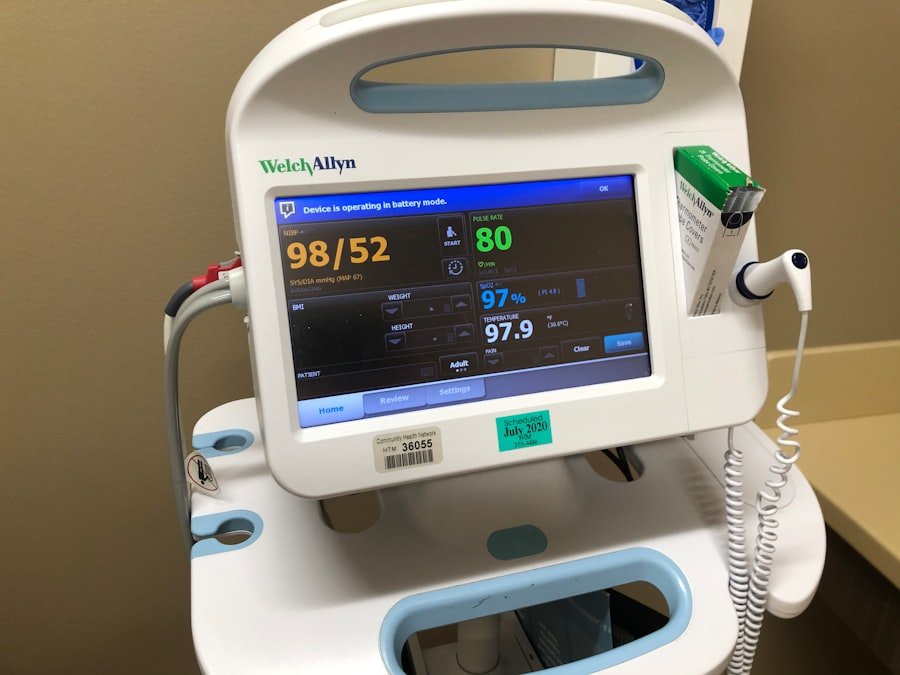
Choosing the right health insurance policy is not a passive exercise; it demands proactive engagement on your part. Think of it as building a protective wall around your financial future.
Reading the Fine Print: The Devil is in the Details
The policy document is your bible. Do not just skim the marketing brochure. Every word in the policy document holds meaning, particularly the sections on “Definitions,” “Exclusions,” “Waiting Periods,” and “Coverage for Specific Diseases.”
Key Questions to Ask Your Insurer/Agent
When discussing policies, arm yourself with a set of pointed questions:
- What is the waiting period for pre-existing kidney disease, dialysis, and kidney transplantation?
- Does the policy cover both donor and recipient expenses for transplantation? Are there any specific sub-limits for donor costs?
- Are post-transplant immunosuppressant medications covered, and for what duration/amount?
- What are the sub-limits for room rent, ICU charges, and specialist consultations for kidney-related treatments?
- Does the policy cover OPD consultations and diagnostic tests for ongoing kidney care? (Most standard policies do not, unless it’s a specific rider or an OPD plan).
- Is there a co-payment clause for critical illness treatment?
- What is the procedure for cashless hospitalization and reimbursement claims for dialysis and transplant?
The Importance of Portability and Continuance
If you already have an existing health insurance policy, explore the option of portability. This allows you to switch your policy from one insurer to another while retaining the benefits accrued, especially the reduction in waiting periods for pre-existing conditions. Continuance is also vital; ensuring you renew your policy without a break can prevent fresh waiting periods from applying.
Specialized Plans and Riders
Some insurers are now offering specialized plans or riders specifically designed for critical illnesses or organ transplantation. These might offer broader coverage for post-transplant complications or long-term medication. While they may come at a higher premium, the peace of mind and comprehensive coverage they offer can be invaluable. Don’t shy away from exploring these niche products.
The Road Ahead: Beyond Insurance
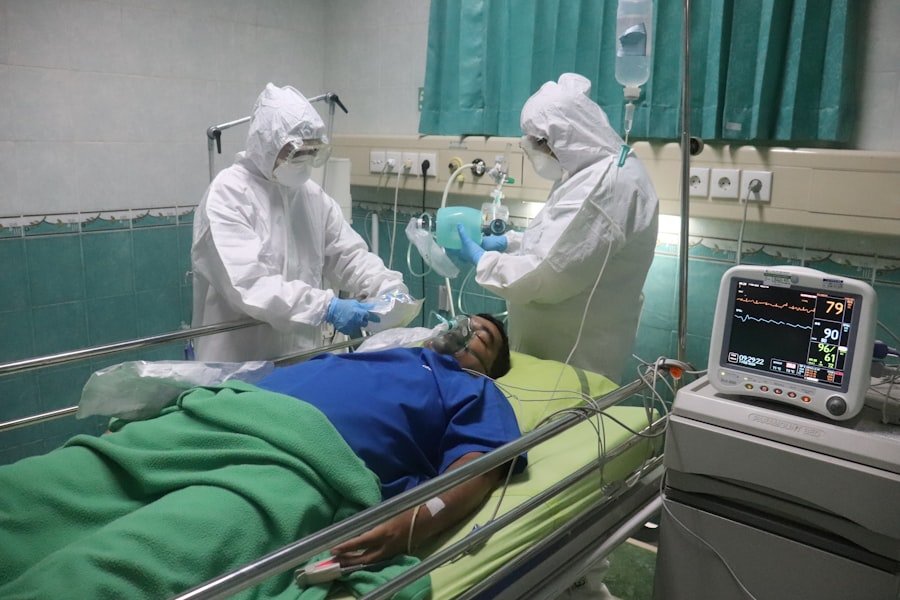
While health insurance acts as a crucial financial shield, it is part of a larger ecosystem of support and planning for you as a kidney patient.
Financial Planning Beyond Insurance
Even with the best insurance, out-of-pocket expenses for transportation, specialized diets, caregiver support, and non-covered medications can accumulate. Creating a separate contingency fund, even a small one, can act as a crucial buffer. Consider avenues for financial aid from NGOs or charitable trusts that support kidney patients.
Advocacy and Awareness
Your voice matters. Advocate for better health insurance policies that are more inclusive of chronic conditions and reduce the burden of pre-existing condition clauses and waiting periods. Increased awareness of kidney disease and the financial challenges it poses can lead to systemic improvements.
The Power of Support Networks
Joining support groups for kidney patients can provide not just emotional solace but also practical insights into navigating insurance complexities and healthcare systems. Other patients who have walked this path before you can be repositories of valuable information and experience.
In conclusion, for you, a kidney patient in India, health insurance is not a luxury; it is a necessity. It is the cornerstone of your access to life-saving treatments like dialysis and transplantation, offering you a pathway to managing your condition without being crippled by debt. By meticulously understanding your options, asking the right questions, and being proactive in your choices, you can build a robust financial fortress around your health, ensuring that your focus remains on recovery and living a fulfilling life, rather than being constantly burdened by financial anxieties. This journey is challenging, but with the right tools, you can navigate it successfully.
FAQs
1. Does health insurance in India cover dialysis treatment for kidney patients?
Yes, many health insurance policies in India offer coverage for dialysis treatment. It is important to check the specific terms of the policy, as coverage limits and waiting periods may vary between insurers.
2. Are kidney transplant procedures covered under health insurance plans in India?
Most comprehensive health insurance plans in India include coverage for kidney transplant surgeries. This typically covers pre- and post-transplant hospitalization, surgery costs, and related medical expenses, subject to policy terms and conditions.
3. Is there a waiting period before kidney-related treatments are covered by insurance?
Yes, health insurance policies often have a waiting period ranging from 2 to 4 years for pre-existing conditions like kidney disease. This means coverage for dialysis or transplant may only begin after this period, depending on the insurer.
4. Can individuals with chronic kidney disease buy health insurance in India?
Yes, individuals with chronic kidney disease can purchase health insurance, but they may face higher premiums, exclusions, or longer waiting periods. Some insurers may require medical evaluations before issuing a policy.
5. Are there government schemes in India that support kidney patients with insurance coverage?
Yes, government health schemes such as Ayushman Bharat provide financial assistance and insurance coverage for treatments including dialysis and kidney transplants for eligible beneficiaries, helping reduce out-of-pocket expenses.