
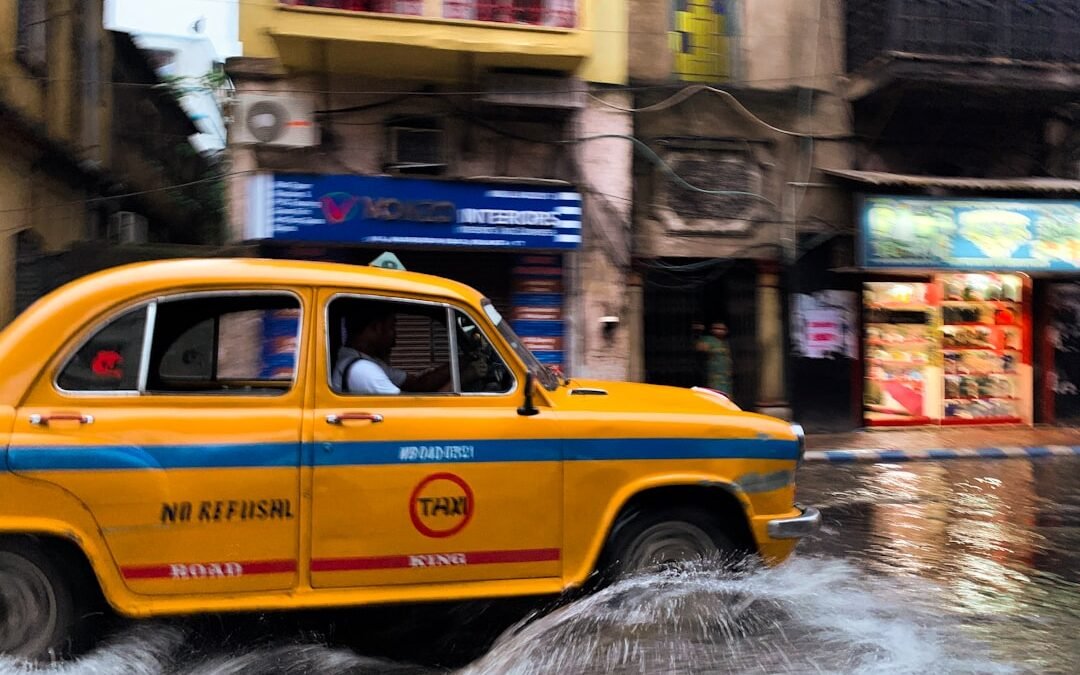
Vehicle insurance encompasses more than just accident or theft coverage; engine protection cover is a vital component often overlooked by policyholders. This specialized insurance feature protects your vehicle’s engine against specific types of damage resulting from unexpected circumstances. Engine protection cover can provide significant financial relief for expensive repairs that standard vehicle insurance policies typically exclude.
The coverage generally includes various forms of engine damage, such as water ingress, mechanical failures, and certain types of wear and tear. Adding this supplementary coverage represents an investment in security and peace of mind. With engine protection cover, drivers can operate their vehicles with confidence, knowing they won’t bear the full financial responsibility if engine problems occur.
A thorough understanding of this coverage enables informed insurance decisions and ensures adequate protection against potential engine-related complications.
Key Takeaways
- Engine protection cover in vehicle insurance safeguards against costly engine repairs due to water damage and hydrostatic lock.
- Water damage can severely harm vehicle engines, often leading to hydrostatic lock, which can cause engine failure.
- Common causes of water damage include flooding, driving through deep water, and heavy rain exposure.
- Filing a claim for water damage or hydrostatic lock requires prompt action and proper documentation to ensure coverage.
- Preventative measures and having engine protection cover are crucial to avoid expensive repairs and maintain vehicle reliability.
The Risks of Water Damage to Vehicle Engines
Water damage is one of the most significant threats to vehicle engines, and it can occur in a variety of ways. Whether it’s due to heavy rainfall, flooding, or even a simple mistake like driving through a deep puddle, water can infiltrate your engine and cause severe damage. When water enters the engine’s components, it can lead to corrosion, rust, and other forms of deterioration that compromise the engine’s performance and longevity.
This type of damage is often not immediately apparent, making it all the more insidious. Moreover, water damage can lead to costly repairs that may not be covered under standard insurance policies. If you find yourself in a situation where your engine has been compromised by water, the financial implications can be staggering.
This is where engine protection cover becomes invaluable. By having this additional layer of protection, you can mitigate the risks associated with water damage and ensure that you are not left facing exorbitant repair bills.
The Impact of Hydrostatic Lock on Vehicle Engines

Hydrostatic lock is a specific condition that occurs when water enters the engine’s cylinders, preventing the pistons from moving freely. This situation can lead to catastrophic engine failure if not addressed promptly. When water fills the cylinders, it creates a barrier that the pistons cannot compress, leading to significant mechanical stress.
In many cases, hydrostatic lock can result in bent connecting rods or even a cracked engine block, both of which are expensive repairs. The impact of hydrostatic lock extends beyond just the immediate mechanical failure; it can also lead to long-term issues with your vehicle’s performance. Even if the initial damage is repaired, the residual effects of hydrostatic lock can linger, affecting fuel efficiency and overall engine reliability.
Understanding the risks associated with hydrostatic lock is crucial for any vehicle owner, as it underscores the importance of having comprehensive coverage that includes protection against such scenarios.
Common Causes of Water Damage and Hydrostatic Lock
Water damage and hydrostatic lock can stem from various sources, many of which may be unexpected. One common cause is driving through flooded areas or deep puddles without realizing the potential risks involved. Even a seemingly shallow body of water can pose a threat if it is deep enough to reach critical engine components.
Additionally, heavy rainfall or storms can lead to flooding conditions that put your vehicle at risk. Another less obvious cause of water damage is improper maintenance or neglect. For instance, failing to replace worn-out seals or gaskets can allow moisture to seep into the engine compartment over time.
Similarly, clogged drainage systems in your vehicle can trap water and create conditions conducive to hydrostatic lock. Being aware of these common causes can help you take proactive measures to protect your vehicle from water-related issues.
How Engine Protection Cover Can Help in Water Damage and Hydrostatic Lock Claims
| Metric | Value | Unit | Notes |
|---|---|---|---|
| Number of Claims | 1,250 | Claims per Year | Reported water damage and hydrostatic lock claims |
| Average Repair Cost | 3,200 | USD | Cost to repair engine after water damage |
| Percentage of Claims Due to Hydrostatic Lock | 65 | % | Proportion of claims caused by hydrostatic lock |
| Engine Protection Cover Penetration | 40 | % | Percentage of vehicles with engine protection cover |
| Reduction in Claims with Cover | 30 | % | Decrease in claims when engine protection cover is installed |
| Average Claim Processing Time | 15 | Days | Time taken to process water damage claims |
| Most Common Cause of Water Damage | Flooding | N/A | Primary environmental cause of engine water damage |
Engine protection cover plays a pivotal role in addressing claims related to water damage and hydrostatic lock. When you have this coverage in place, you are better equipped to handle the financial repercussions of such incidents. In many cases, standard vehicle insurance policies may not cover damages resulting from water ingress or hydrostatic lock, leaving you vulnerable to significant out-of-pocket expenses.
With engine protection cover, you can file claims specifically for repairs related to water damage or hydrostatic lock without worrying about whether your standard policy will provide assistance. This specialized coverage often includes provisions for diagnostic tests and repairs necessary to restore your engine to its optimal condition. By having this safety net in place, you can navigate the claims process with greater ease and confidence.
Steps to Take in Filing a Water Damage or Hydrostatic Lock Claim

Filing a claim for water damage or hydrostatic lock may seem daunting, but understanding the steps involved can simplify the process significantly. First and foremost, it’s essential to document the incident thoroughly. Take photographs of any visible damage and keep records of any relevant circumstances surrounding the event—such as weather conditions or road conditions at the time of the incident.
Next, contact your insurance provider as soon as possible to report the claim. Be prepared to provide them with all necessary documentation and details about the incident. Your insurer may require an inspection of your vehicle before approving any repairs, so be sure to follow their guidelines closely.
Finally, keep track of all communications with your insurance company throughout the process to ensure that everything is handled efficiently.
Tips for Preventing Water Damage and Hydrostatic Lock
Preventing water damage and hydrostatic lock requires vigilance and proactive measures on your part as a vehicle owner. One of the most effective strategies is to avoid driving through flooded areas whenever possible. If you encounter standing water on the road, it’s best to turn around rather than risk driving through it.
Additionally, staying informed about weather conditions in your area can help you anticipate potential flooding events. Regular maintenance is another key factor in preventing water-related issues. Ensure that seals and gaskets are in good condition and replace them as needed.
Regularly check drainage systems within your vehicle to ensure they are clear and functioning properly. By taking these preventive measures seriously, you can significantly reduce the risk of experiencing water damage or hydrostatic lock.
The Importance of Engine Protection Cover in Vehicle Insurance
In conclusion, engine protection cover is an essential component of comprehensive vehicle insurance that should not be overlooked. Given the potential risks associated with water damage and hydrostatic lock, having this specialized coverage can provide invaluable peace of mind for vehicle owners like yourself. It ensures that you are financially protected against costly repairs that may arise from unforeseen circumstances.
Investing in engine protection cover is not just about safeguarding your vehicle; it’s about ensuring your overall driving experience remains enjoyable and worry-free. By understanding its importance and taking proactive steps to prevent water-related issues, you can drive with confidence knowing that you have taken measures to protect both your vehicle and your wallet from unexpected challenges on the road ahead.
When considering the implications of water damage and hydrostatic lock claims under an Engine Protection Cover, it’s essential to understand how these factors can influence your overall insurance premium.