
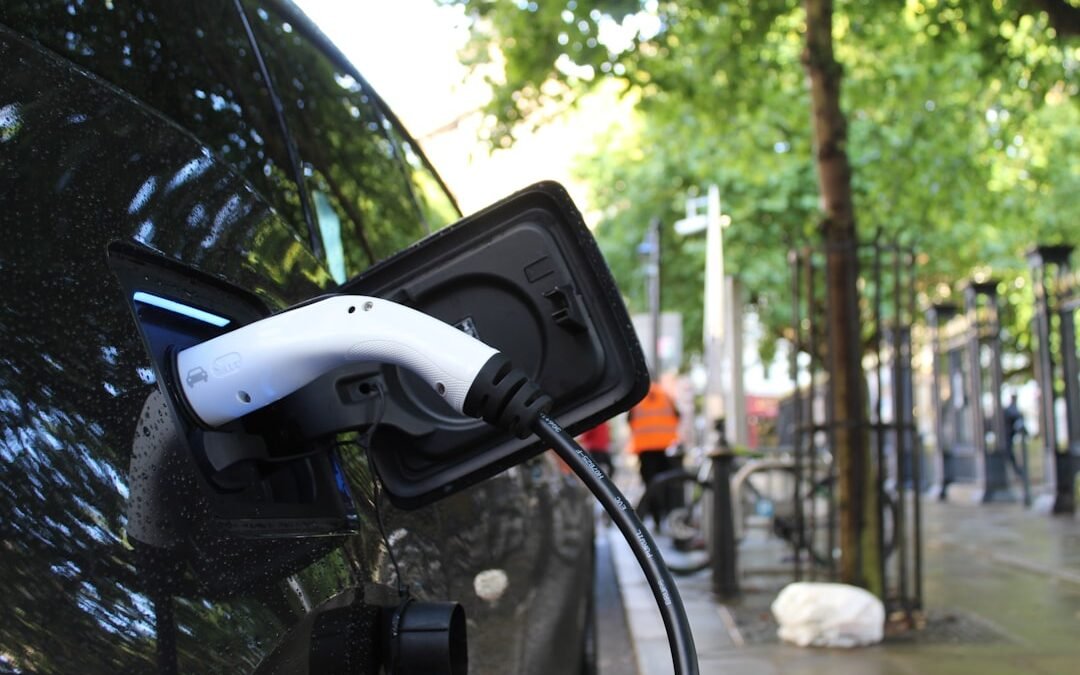
As global transportation trends move toward sustainability, electric vehicles (EVs) have experienced substantial growth in India’s automotive market.
Electric vehicle insurance provides coverage for risks specific to these vehicles, including their advanced technological systems and components.
Electric vehicles differ from conventional vehicles through features such as electric motors, lithium-ion battery systems, and regenerative braking technology, requiring modified insurance approaches. Prospective electric vehicle buyers must understand the specific requirements of EV insurance coverage. Standard automotive insurance policies typically do not provide adequate protection for electric vehicle components.
Battery system failures or damage from accidents may not receive proper coverage under conventional policies. Electric vehicle owners should therefore select insurance products specifically designed for EVs to ensure comprehensive protection against potential risks and component-specific damages.
Key Takeaways
- Electric vehicle insurance in India increasingly includes essential battery coverage due to the high cost of battery replacement.
- Battery coverage protects against damages and malfunctions, ensuring comprehensive protection for EV owners.
- Choosing the right insurance involves considering factors like coverage limits, premium costs, and claim settlement processes.
- Understanding battery charging-related insurance aspects can help avoid unexpected expenses and maintain battery health.
- Comparing policies and following expert tips can help EV owners find the most cost-effective and comprehensive insurance plans.
Importance of Battery Coverage in Electric Vehicle Insurance
One of the most critical components of an electric vehicle is its battery. The battery not only powers the vehicle but also represents a significant portion of its overall value. As such, having comprehensive battery coverage within your electric vehicle insurance policy is paramount.
Battery replacement can be an expensive endeavor, often costing thousands of rupees, depending on the make and model of your EV. Without adequate coverage, you could find yourself facing substantial out-of-pocket expenses in the event of a battery failure or damage. Moreover, battery technology is continually evolving, and with it comes the potential for new risks.
For instance, thermal runaway—a condition where a battery overheats and can potentially catch fire—poses a unique risk to electric vehicles. Insurance policies that include battery coverage can help mitigate these risks by providing financial protection against such incidents. This coverage not only safeguards your investment but also offers peace of mind as you navigate the world of electric driving.
Benefits of Electric Vehicle Insurance with Battery Coverage
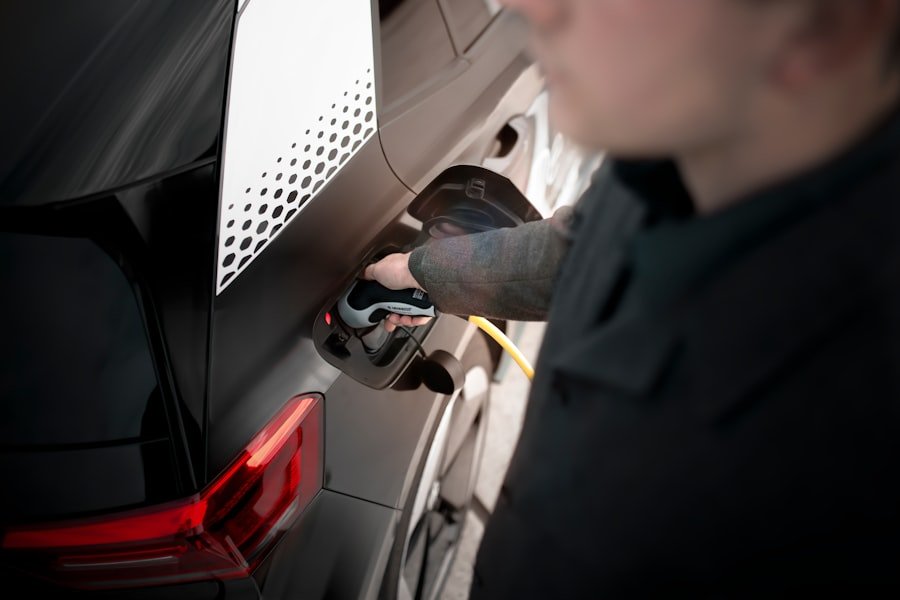
Opting for electric vehicle insurance that includes battery coverage comes with numerous benefits. First and foremost, it ensures that you are financially protected against the high costs associated with battery repairs or replacements. Given that batteries are one of the most expensive components of an EV, having this coverage can save you from significant financial strain should something go wrong.
Additionally, many insurance providers offer added perks when you choose a policy with battery coverage. These may include roadside assistance specifically tailored for electric vehicles, coverage for charging station mishaps, and even discounts on premiums for eco-friendly driving habits. By selecting a policy that encompasses these benefits, you not only protect your vehicle but also enhance your overall driving experience.
Factors to Consider When Choosing Electric Vehicle Insurance with Battery Coverage
When selecting electric vehicle insurance with battery coverage, several factors warrant your attention. First, assess the extent of coverage offered by different policies. Some insurers may provide comprehensive coverage that includes not just battery replacement but also protection against theft, fire, and accidental damage.
It’s essential to read the fine print and understand what is included in your policy. Another critical factor is the insurer’s reputation and customer service record. You want to ensure that you are dealing with a company known for its reliability and responsiveness in times of need.
Research customer reviews and ratings to gauge how well an insurer handles claims related to electric vehicles and their batteries. Additionally, consider the premium costs and deductibles associated with each policy; finding a balance between affordability and comprehensive coverage is key.
Electric Vehicle Insurance Battery Charging: What You Need to Know
| Metric | Details | Notes |
|---|---|---|
| Battery Coverage | Included in comprehensive EV insurance policies | Covers damage, theft, and degradation in some plans |
| Battery Replacement Cost Coverage | Up to 70-80% of battery cost | Varies by insurer and policy terms |
| Policy Duration | 1 to 3 years | Longer durations may offer better premium rates |
| Premium Range | 1.5% to 3% of vehicle’s insured declared value (IDV) | Depends on vehicle type and coverage options |
| Additional Benefits |
| Enhances overall protection and convenience |
| Claim Settlement Ratio | 85% – 95% | Indicative of insurer reliability |
| Battery Warranty Period | 3 to 8 years (manufacturer dependent) | Insurance complements but does not replace warranty |
| Exclusions |
| Check policy documents for detailed exclusions |
Understanding how battery charging impacts your electric vehicle insurance is crucial for any EV owner. Many insurance policies now include provisions related to charging equipment and infrastructure. If you have a home charging station or frequently use public charging facilities, it’s important to ensure that your policy covers any potential damages or liabilities associated with these setups.
Moreover, some insurers may offer incentives for using specific charging networks or for charging during off-peak hours. This can lead to lower premiums or additional benefits that enhance your overall insurance experience. Familiarizing yourself with these aspects can help you make informed decisions about your electric vehicle insurance and maximize your savings.
How Electric Vehicle Insurance with Battery Coverage Can Save You Money
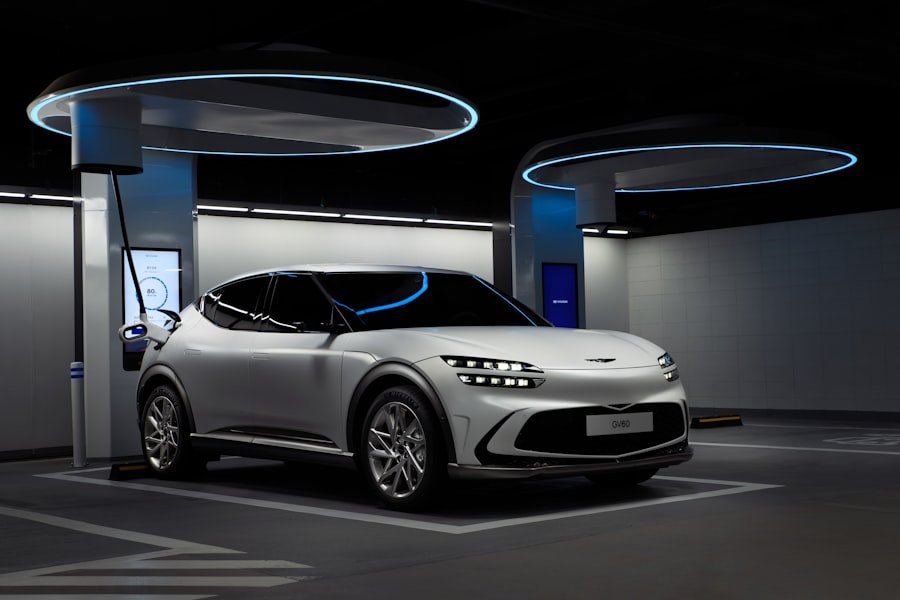
Investing in electric vehicle insurance with battery coverage can ultimately lead to significant savings over time. While the initial premium may seem higher than standard auto insurance, the long-term benefits often outweigh the costs. For instance, if you were to face a battery-related issue without coverage, the financial burden could be overwhelming.
By having comprehensive battery coverage, you protect yourself from unexpected expenses that could arise from repairs or replacements. Additionally, many insurers offer discounts for electric vehicle owners who maintain safe driving habits or utilize eco-friendly practices. By opting for a policy that rewards such behaviors, you can further reduce your overall insurance costs.
Furthermore, as the market for electric vehicles continues to grow, more insurers are likely to introduce competitive pricing and innovative policies tailored specifically for EV owners.
Comparing Electric Vehicle Insurance Policies with Battery Coverage in India
When it comes to comparing electric vehicle insurance policies with battery coverage in India, it’s essential to conduct thorough research. Start by gathering quotes from multiple insurers to understand the range of premiums available in the market. Pay close attention to what each policy covers regarding battery protection and any additional benefits offered.
You should also consider the claims process associated with each insurer. A straightforward and efficient claims process can make a significant difference when you need assistance after an incident. Look for insurers that provide online claim filing options and have a reputation for quick turnaround times on claims related to electric vehicles and their batteries.
Tips for Finding the Best Electric Vehicle Insurance with Battery Coverage
Finding the best electric vehicle insurance with battery coverage requires careful consideration and research. Start by assessing your specific needs as an EV owner; think about how often you drive, where you charge your vehicle, and any additional features you may want in your policy. This self-assessment will help you narrow down your options.
Next, leverage online comparison tools to evaluate different policies side by side. These platforms allow you to see various coverage options and premiums at a glance, making it easier to identify which policies align with your requirements. Additionally, don’t hesitate to reach out to insurance agents or brokers who specialize in electric vehicle insurance; their expertise can provide valuable insights into which policies offer the best protection for your needs.
In conclusion, as electric vehicles become increasingly popular in India, understanding the intricacies of electric vehicle insurance—especially regarding battery coverage—is essential for every EV owner. By taking the time to research and compare policies, you can ensure that you are adequately protected while enjoying the many benefits of driving an electric vehicle.
When considering Electric Vehicle Insurance in India, it’s essential to understand the nuances of battery coverage and the benefits it offers. For those interested in broader insurance topics, you might find the article on navigating life insurance claim settlements in India particularly insightful, as it highlights key factors that can also apply to understanding various insurance policies, including those for electric vehicles.
FAQs
What is electric vehicle insurance in India?
Electric vehicle insurance in India is a specialized insurance policy designed to cover electric vehicles (EVs) against risks such as accidents, theft, and damages. It often includes coverage specific to EV components like the battery and electric motor.
Does electric vehicle insurance cover the battery?
Yes, many electric vehicle insurance policies in India offer battery coverage either as part of the standard policy or as an add-on. This coverage protects against damage, theft, or malfunction of the EV battery, which is one of the most expensive components.
Why is battery coverage important for electric vehicle owners?
Battery coverage is important because the battery is a costly and critical part of an electric vehicle. Repairing or replacing a battery can be expensive, so having insurance coverage helps reduce financial burden in case of damage or failure.
Are there any benefits specific to electric vehicle insurance compared to regular vehicle insurance?
Yes, electric vehicle insurance often includes benefits such as coverage for battery and electric motor, discounts or subsidies aligned with government policies promoting EV adoption, and sometimes lower premiums due to the lower risk profile of EVs.
Is electric vehicle insurance mandatory in India?
Yes, as per Indian motor vehicle laws, it is mandatory to have at least third-party liability insurance for all vehicles, including electric vehicles, to legally drive on public roads.
Can I get electric vehicle insurance for both two-wheelers and four-wheelers?
Yes, insurance providers in India offer electric vehicle insurance policies for both electric two-wheelers (e-scooters, e-bikes) and electric four-wheelers (electric cars), with coverage options tailored to each vehicle type.
How can I buy electric vehicle insurance in India?
Electric vehicle insurance can be purchased online through insurance company websites, insurance aggregators, or offline through insurance agents and brokers. It is advisable to compare policies to find the best coverage and premiums.
Are there any government incentives related to electric vehicle insurance?
While the government promotes electric vehicle adoption through subsidies and tax benefits, some insurers also offer discounts or benefits on EV insurance premiums as part of these initiatives, but these vary by insurer and region.
What factors affect the premium of electric vehicle insurance?
Premiums for electric vehicle insurance depend on factors such as the vehicle’s make and model, battery capacity, insured declared value (IDV), coverage type, location, and the insured’s claim history.
Does electric vehicle insurance cover charging equipment?
Typically, standard electric vehicle insurance policies do not cover home or public charging equipment. Separate insurance or add-ons may be required to protect charging infrastructure.