
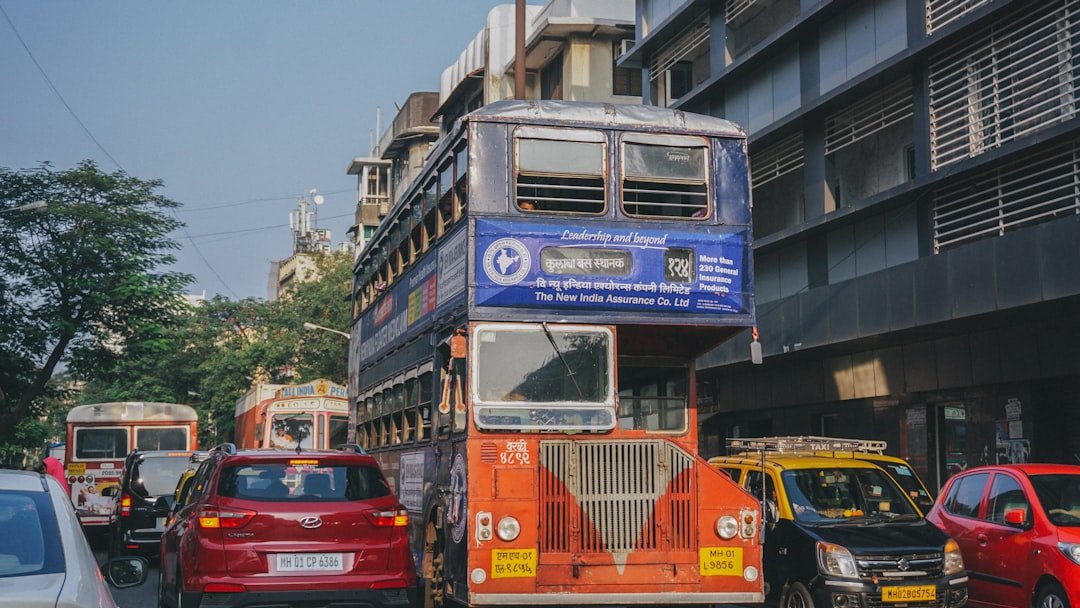
As you delve into the evolution of commercial vehicle insurance in India, it becomes evident that the landscape has undergone significant transformations over the years. In the early 2000s, the insurance sector was characterized by a lack of awareness and limited options for businesses. However, as the economy began to liberalize and the demand for goods transportation surged, insurers recognized the need to cater to this burgeoning market.
By 2025, you will witness a more sophisticated insurance ecosystem that not only addresses the basic needs of commercial vehicle owners but also incorporates advanced technologies and tailored solutions. The journey towards this evolution has been marked by several key milestones. Initially, commercial vehicle insurance was primarily focused on compliance with regulatory requirements.
However, as businesses began to understand the importance of risk management and asset protection, insurers started offering more comprehensive policies. By 2025, you can expect a wide array of coverage options that include not just basic liability but also protection against theft, damage, and even business interruption. This shift reflects a growing recognition of the critical role that commercial vehicles play in the supply chain and overall economic stability.
Key Takeaways
- Telematics integration is revolutionizing commercial vehicle insurance in India by providing real-time data and insights for better risk assessment and pricing.
- Fleet management solutions play a crucial role in commercial vehicle insurance by improving safety, efficiency, and maintenance of commercial vehicles.
- Data analytics is increasingly important in commercial vehicle insurance for better risk assessment, pricing, and claims management.
- The regulatory landscape of commercial vehicle insurance in India is evolving, with a focus on improving road safety and reducing risks.
- Innovations in commercial vehicle insurance, such as usage-based insurance and on-demand coverage, are expected to shape the future of the industry in 2025.
The Role of Fleet Management Solutions in Commercial Vehicle Insurance
Fleet management solutions have emerged as a game-changer in the realm of commercial vehicle insurance. As you explore this topic, you will find that these solutions provide businesses with the tools they need to optimize their operations while simultaneously enhancing their insurance coverage. By integrating fleet management systems, companies can monitor vehicle performance, track driver behavior, and manage maintenance schedules more effectively.
This data-driven approach not only improves operational efficiency but also leads to lower insurance premiums. In 2025, you will see fleet management solutions becoming increasingly sophisticated, incorporating artificial intelligence and machine learning to analyze vast amounts of data. This evolution will enable insurers to offer personalized policies based on real-time insights into driving habits and vehicle conditions.
As a result, businesses will be able to demonstrate their commitment to safety and risk management, which can lead to significant cost savings on insurance premiums. The synergy between fleet management and insurance will create a more resilient transportation sector, ultimately benefiting both insurers and policyholders.
Telematics Integration: How it is Revolutionizing Commercial Vehicle Insurance in India

Telematics integration is at the forefront of revolutionizing commercial vehicle insurance in India. As you consider the implications of this technology, it becomes clear that telematics offers a wealth of data that can be harnessed to improve risk assessment and underwriting processes. By equipping vehicles with GPS and onboard diagnostics systems, insurers can gain real-time insights into driving behavior, vehicle performance, and even environmental conditions.
This data not only enhances the accuracy of risk assessments but also allows for more tailored insurance products. By 2025, telematics will have become an integral part of the commercial vehicle insurance landscape. You will find that insurers are increasingly relying on telematics data to offer usage-based insurance models, where premiums are determined by actual driving behavior rather than generalized statistics.
This shift will encourage safer driving practices among fleet operators, as they will be incentivized to adopt measures that reduce risk. The integration of telematics will not only benefit insurers but also empower businesses to make informed decisions about their operations.
The Benefits of Telematics Integration for Commercial Vehicle Insurance
The benefits of telematics integration for commercial vehicle insurance are manifold and extend beyond mere cost savings. As you explore this topic further, you will discover that telematics provides valuable insights into driver behavior, enabling businesses to identify areas for improvement. For instance, data on harsh braking or rapid acceleration can highlight risky driving habits that may lead to accidents.
By addressing these issues through targeted training programs, companies can enhance safety and reduce claims. Moreover, telematics can streamline claims processing by providing accurate data during incidents. In 2025, you can expect insurers to leverage telematics data to expedite claims assessments and settlements.
This efficiency not only improves customer satisfaction but also reduces administrative costs for insurers. Additionally, the ability to monitor vehicle health in real-time allows businesses to proactively address maintenance issues before they escalate into costly repairs or accidents. Overall, telematics integration represents a win-win scenario for both insurers and policyholders.
Understanding the Impact of Technology on Commercial Vehicle Insurance in India
The impact of technology on commercial vehicle insurance in India cannot be overstated. As you navigate this landscape, you will find that advancements in technology have fundamentally altered how insurers assess risk, underwrite policies, and manage claims. The introduction of digital platforms has made it easier for businesses to compare policies and purchase coverage online, leading to increased competition among insurers.
This competition has driven innovation and improved customer service across the industry. By 2025, you will witness an even greater reliance on technology within the commercial vehicle insurance sector. Insurers will increasingly adopt artificial intelligence and machine learning algorithms to analyze vast datasets and predict risk more accurately.
This shift will enable them to offer personalized policies that cater to the unique needs of individual businesses. Furthermore, technology will facilitate seamless communication between insurers and policyholders, allowing for real-time updates on policy changes and claims status. The overall effect will be a more transparent and efficient insurance process that benefits all stakeholders involved.
The Future of Commercial Vehicle Insurance: Predictions for 2025

As you look ahead to 2025, several predictions emerge regarding the future of commercial vehicle insurance in India. One key trend is the continued rise of digitalization within the industry. You can expect insurers to invest heavily in technology-driven solutions that enhance customer experience and streamline operations.
This digital transformation will likely lead to the emergence of new business models, such as pay-per-mile insurance or subscription-based coverage options tailored for specific industries. Another prediction is the growing emphasis on sustainability within commercial vehicle insurance. As environmental concerns become increasingly pressing, insurers may begin to offer incentives for businesses that adopt eco-friendly practices or invest in electric vehicles.
By 2025, you may find that insurers are actively promoting green initiatives as part of their value proposition, aligning their offerings with broader societal goals. This shift not only reflects changing consumer preferences but also positions insurers as responsible corporate citizens committed to addressing climate change.
The Role of Data Analytics in Commercial Vehicle Insurance
Data analytics plays a pivotal role in shaping the future of commercial vehicle insurance in India. As you explore this topic further, you will discover that data-driven insights are essential for effective risk assessment and underwriting processes. Insurers are increasingly leveraging advanced analytics tools to analyze historical data and identify patterns that inform their decision-making.
This approach allows them to develop more accurate pricing models and tailor coverage options based on individual business needs. By 2025, you can expect data analytics to become even more sophisticated, with insurers utilizing predictive modeling techniques to forecast future risks and trends. This capability will enable them to proactively address potential issues before they escalate into costly claims.
Additionally, data analytics will facilitate better communication between insurers and policyholders by providing actionable insights that drive informed decision-making. Ultimately, the integration of data analytics into commercial vehicle insurance will lead to a more responsive and customer-centric industry.
The Importance of Risk Management in Commercial Vehicle Insurance
Risk management is a cornerstone of effective commercial vehicle insurance practices. As you delve into this topic, you will find that understanding and mitigating risks is essential for both insurers and policyholders alike. For businesses operating fleets of vehicles, implementing robust risk management strategies can significantly reduce the likelihood of accidents and claims.
This proactive approach not only protects assets but also enhances overall operational efficiency.
Insurers will increasingly collaborate with businesses to develop customized risk management programs that address specific challenges faced by different industries.
This partnership approach will empower businesses to take control of their risk profiles while fostering a culture of safety within their organizations. Ultimately, effective risk management will lead to lower premiums and improved safety outcomes for all stakeholders involved.
The Regulatory Landscape of Commercial Vehicle Insurance in India
The regulatory landscape governing commercial vehicle insurance in India is continually evolving in response to changing market dynamics and consumer needs. As you explore this topic further, you will find that regulatory bodies play a crucial role in ensuring fair practices within the industry while protecting the interests of policyholders. By 2025, you can expect regulators to implement new guidelines aimed at enhancing transparency and accountability among insurers.
One significant area of focus for regulators is the promotion of digitalization within the insurance sector. As technology continues to reshape how policies are sold and managed, regulators are likely to establish frameworks that facilitate innovation while safeguarding consumer rights. Additionally, there may be increased scrutiny on pricing practices to ensure that premiums are reflective of actual risk rather than arbitrary calculations.
Overall, a robust regulatory framework will contribute to a more stable and trustworthy commercial vehicle insurance market in India.
Innovations in Commercial Vehicle Insurance: What to Expect in 2025
As you look toward 2025, several innovations are poised to reshape the landscape of commercial vehicle insurance in India. One notable trend is the rise of blockchain technology within the industry. By leveraging blockchain’s decentralized nature, insurers can enhance transparency in policy transactions while reducing fraud risks associated with claims processing.
This innovation has the potential to streamline operations significantly while building trust between insurers and policyholders. Another exciting development is the increasing use of artificial intelligence (AI) in underwriting processes. By 2025, you may find that AI algorithms are capable of analyzing vast datasets in real-time to assess risk more accurately than ever before.
This capability will enable insurers to offer personalized coverage options tailored specifically to individual businesses’ needs while expediting policy issuance processes. Overall, these innovations represent a shift toward a more efficient and customer-centric approach within commercial vehicle insurance.
The Growing Importance of Commercial Vehicle Insurance in India’s Economy
The importance of commercial vehicle insurance within India’s economy cannot be overstated as it serves as a vital component supporting various sectors such as logistics, transportation, and trade. As you consider this topic further, it becomes clear that robust commercial vehicle insurance is essential for ensuring business continuity amidst unforeseen events like accidents or natural disasters. By 2025, you can expect an even greater recognition of this importance as businesses increasingly prioritize risk management strategies.
Moreover, as India’s economy continues to grow and evolve, so too does the demand for reliable transportation solutions. With an expanding network of roads and infrastructure developments underway across the country, commercial vehicles play an integral role in facilitating trade and commerce. Consequently, ensuring adequate coverage through comprehensive insurance policies becomes paramount for safeguarding investments while promoting economic stability overall.
In conclusion, as you reflect on these various aspects surrounding commercial vehicle insurance in India leading up to 2025—ranging from technological advancements like telematics integration through regulatory changes—it’s evident that this sector is poised for significant growth driven by innovation coupled with heightened awareness around risk management practices among businesses operating fleets today!
In the rapidly evolving landscape of commercial vehicle insurance in India, the integration of fleet management solutions and telematics is set to play a pivotal role by 2025. These advancements are expected to enhance operational efficiency, reduce costs, and improve safety for fleet operators. For those interested in exploring related insurance options, an insightful article on life insurance in India can provide a broader understanding of the insurance market dynamics. You can read more about it in the article titled “Exploring Life Insurance Options in India: Term, Whole, and Unit-Linked” available here. This piece offers valuable insights into different types of life insurance, which can be beneficial for individuals and businesses alike in making informed decisions.
FAQs
What is commercial vehicle insurance?
Commercial vehicle insurance provides coverage for vehicles used for business purposes, such as delivery trucks, vans, and other commercial vehicles. It offers protection against damages, theft, and liability in case of accidents.
What are fleet management solutions?
Fleet management solutions are systems and technologies used to manage a fleet of commercial vehicles. This includes vehicle tracking, maintenance scheduling, fuel management, and driver behavior monitoring.
What is telematics integration in commercial vehicle insurance?
Telematics integration in commercial vehicle insurance involves the use of GPS and onboard diagnostics to track and monitor vehicles. This data is used to assess risk, improve driver safety, and optimize insurance premiums.
How is commercial vehicle insurance expected to evolve in India by 2025?
By 2025, commercial vehicle insurance in India is expected to see increased integration of telematics and fleet management solutions. This will lead to more personalized insurance offerings, improved risk assessment, and better cost management for fleet operators.
What are the benefits of integrating fleet management solutions and telematics into commercial vehicle insurance?
Integrating fleet management solutions and telematics into commercial vehicle insurance can lead to improved safety, reduced operational costs, better risk management, and more efficient claims processing. It also allows for more accurate pricing based on actual vehicle usage and driver behavior.