
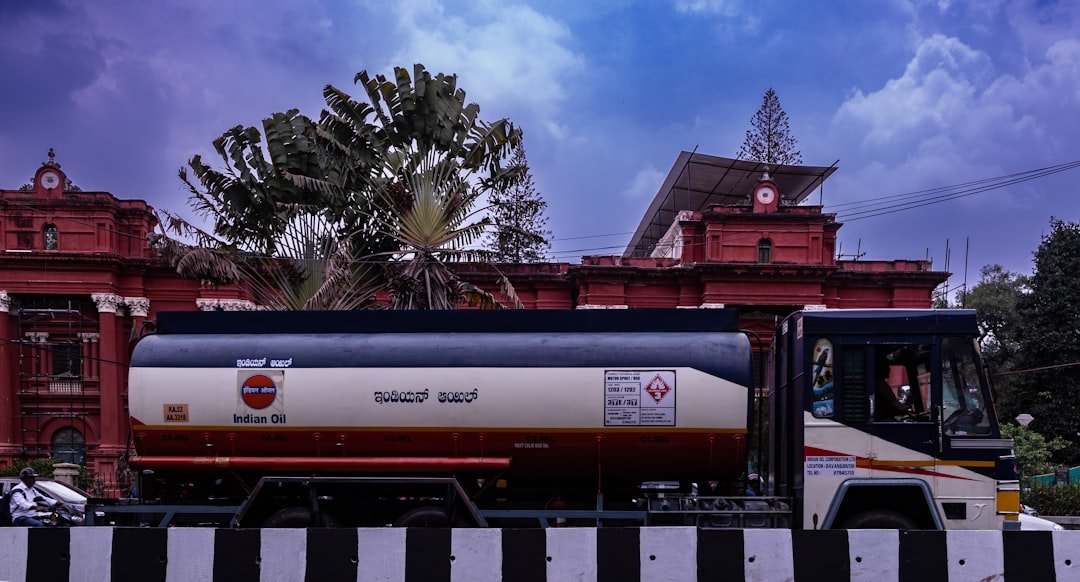
You operate a business in India that relies on commercial vehicles, such as trucks for logistics or taxis for passenger transport. Understanding the intricacies of commercial vehicle insurance is not merely a formality; it is a fundamental aspect of risk management and compliance. This guide will navigate you through the landscape of commercial vehicle insurance in India, specifically focusing on trucks and taxis, offering you a comprehensive overview of its types, components, regulatory framework, and practical considerations.
When you consider insuring your commercial vehicle, you are presented with a spectrum of policy options, each designed to address differing levels of risk exposure and liability. Your choice impacts not only your financial security but also your operational continuity.
Third-Party Liability Insurance
This is the bedrock of commercial vehicle insurance in India, a mandatory requirement under the Motor Vehicles Act, 1988. It acts as a safety net for third parties affected by an accident involving your vehicle.
- Mandatory Requirement: You cannot lawfully operate a commercial vehicle on Indian roads without this policy. Driving without it can lead to significant penalties, including fines and imprisonment. Think of it as your vehicle’s passport for public roads – without it, you’re not legally allowed passage.
- Coverage Scope: This policy primarily covers damages to third-party property and bodily injury or death caused by your insured vehicle. It indemnifies you against legal liabilities arising from such incidents. Importantly, it does not cover damages to your own vehicle or injuries to you as the driver.
- Unlimited Liability: For bodily injury or death, the liability cover provided by a third-party policy is often unlimited, meaning the insurance company will cover the full compensation awarded by a court, however substantial it may be. This is a crucial distinction, as it shields you from potentially catastrophic financial ruin in severe accident scenarios. For property damage, there is typically a cap, which varies but is often around INR 7.5 lakhs.
Comprehensive Package Policy
When you seek broader protection, extending beyond the mandatory third-party coverage, you opt for a comprehensive package policy. This policy is a more robust shield, safeguarding both third parties and your own assets.
- Third-Party and Own Damage Coverage: This policy combines the elements of third-party liability with coverage for damages to your own vehicle. It’s like having two layers of protection – one for others, and one for yourself.
- Own Damage Component: This aspect covers a wide range of perils that could damage your commercial vehicle.
- Accidents: Damage sustained due to collisions with other vehicles, objects, or rollovers.
- Fire: Loss or damage caused by fire, explosion, self-ignition, or lightning.
- Theft: Protection against the total loss of your vehicle due to theft. This is a significant risk, particularly for commercial vehicles that may be parked in vulnerable locations.
- Natural Calamities: Coverage for damages caused by events beyond human control, such as floods, cyclones, earthquakes, landslides, and storms.
- Man-made Calamities: Protection against damages from riots, strikes, malicious acts, terrorist activities, and damage in transit by road, rail, inland waterway, lift, or air.
When considering Commercial Vehicle Insurance in India, particularly for trucks and taxis, it’s essential to understand the various coverage options available to protect your assets and ensure compliance with legal requirements. A related article that provides valuable insights into insurance coverage for two-wheelers, including personal accident benefits for riders and passengers, can be found at this link. This resource can help you grasp the broader landscape of vehicle insurance in India, which is crucial for making informed decisions about your commercial vehicle policies.
Factors Influencing Premium Calculation
The premium you pay for your commercial vehicle insurance is not an arbitrary figure. It is a carefully calculated sum based on a multitude of factors, each contributing to the overall risk assessment conducted by the insurer. Understanding these factors empowers you to make informed decisions and potentially optimize your costs.
Insured Declared Value (IDV)
The IDV is a critical determinant of your premium, particularly for comprehensive policies. It represents the maximum amount your insurer will pay you in case of total loss or constructive total loss (e.g., theft or irreparable damage) of your vehicle.
- Market Value Assessment: The IDV is essentially the current market value of your vehicle, adjusted for depreciation. It’s not the purchase price but what it would cost to replace your vehicle today.
- Direct Impact on Premium: A higher IDV generally translates to a higher premium, as the insurer’s potential liability is greater. Conversely, a lower IDV will reduce your premium but also limit your claim payout in case of total loss. You must strike a balance to avoid being underinsured or overpaying.
Vehicle Type and Usage
The inherent characteristics of your vehicle and how you use it profoundly affect the risk profile.
- Load Carrying Capacity (Trucks): For trucks, the carrying capacity is a primary factor. Larger trucks with higher payloads generally face higher premiums due to the increased potential for damage and the greater risk they pose on the road. Imagine comparing a small delivery van to a multi-axle heavy-duty truck – their risk profiles are vastly different.
- Seating Capacity (Taxis/Buses): For taxis and buses, the seating capacity is a key metric. More passengers mean higher potential for third-party liability claims in the event of an accident.
- Nature of Goods (Trucks): The type of goods transported by your truck can also influence premiums. Carrying hazardous materials, for instance, significantly increases risk, leading to higher premiums.
- Geographical Area of Operation: If your vehicles primarily operate in high-risk zones (e.g., areas prone to accidents, theft, or civil unrest), your premium will likely be higher. Urban centers with dense traffic generally carry higher risks than rural areas.
No Claim Bonus (NCB)
The NCB is a reward system designed to incentivize safe driving and continuous insurance policy renewal. It’s a discount on your own-damage premium.
- Accumulation of Discount: For every claim-free year, you accumulate a discount on your own-damage premium. This discount can progressively increase over several years, offering substantial savings.
- Transferability: A valuable feature of NCB is its transferability. If you sell your commercial vehicle and purchase a new one within a specified period, you can often transfer your accumulated NCB to the new policy, provided it’s of the same vehicle class.
- Loss of NCB: Filing even a minor claim on your own-damage cover will reset your NCB to zero. This is why many operators consider carefully whether to claim for small damages versus paying out of pocket.
Add-on Covers
While a comprehensive policy offers broad protection, specific needs may require additional coverage. These “add-on covers” enhance your policy’s scope but also increase your premium.
- Zero Depreciation (Bumper-to-Bumper): This is highly recommended for newer vehicles. Normally, insurers deduct depreciation from the value of parts replaced during a claim. Zero depreciation cover ensures that you receive the full cost of replacing parts without any deduction for depreciation, maximizing your claim payout. It’s like having brand-new parts after a repair, instead of depreciated ones.
- Roadside Assistance: This add-on provides support in case of breakdowns, flat tires, battery issues, or minor mechanical problems while you are en route. It includes services like towing, fuel delivery, and jump-starting. For a commercial vehicle, minimizing downtime due to breakdowns is paramount.
- Engine Protector: Often overlooked, this covers damage to the engine due to water ingress or lubricant leakage, which is typically excluded from standard comprehensive policies. Essential for vehicles operating in flood-prone areas or those with extensive usage.
- Consumables Cover: Covers the cost of consumables like engine oil, gearbox oil, nuts and bolts, screws, and grease that are generally not covered in a standard policy during repairs.
- Personal Accident Cover for Paid Driver: While mandatory for the owner-driver, you can opt for additional personal accident cover for your paid drivers, offering financial protection in case of accidental death or permanent disability. This demonstrates a commitment to your employees’ welfare.
Regulatory Framework and Compliance
Operating commercial vehicles in India means operating within a clearly defined legal and regulatory framework. Adhering to these regulations is not just about avoiding penalties; it’s about ensuring public safety and operating responsibly.
Motor Vehicles Act, 1988
This act is the backbone of motor vehicle regulation in India, setting the fundamental requirements for insurance.
- Mandatory Third-Party Insurance: As mentioned, Section 146 of this act unequivocally mandates that no person shall use or cause or allow any other person to use a motor vehicle in a public place, unless there is in force in relation to the use of the vehicle a policy of insurance complying with the requirements of Chapter XI of the Act. For you as a commercial vehicle owner, this is non-negotiable.
- Penalties for Non-Compliance: You face severe penalties for driving without valid third-party insurance, including fines, imprisonment, and impoundment of your vehicle. These penalties underscore the critical importance of continuous compliance.
Indian Road Transport Sector Regulations
Beyond the general Motor Vehicles Act, specific regulations govern commercial vehicles, encompassing aspects like fitness certificates, permissible loads, and route permits. While not directly insurance policies, these impact your insurability and claims.
- Fitness Certificate: Your commercial vehicle must possess a valid fitness certificate, certifying its roadworthiness. An insurer might deny a claim if your vehicle was operating without a valid fitness certificate, as it indicates a breach of regulatory compliance.
- Permits and Licenses: Operating a commercial vehicle without the appropriate permits (e.g., national permit for trucks, stage carriage permit for buses, contract carriage permit for taxis) can also lead to claim repudiation. If you are operating beyond your authorized route or carrying goods for which you don’t have the appropriate permit, you are essentially operating unlawfully, which can void your insurance coverage.
- Load Compliance: Overloading your truck beyond its permissible gross vehicle weight is a common violation. In the event of an accident, if it is proven that your truck was overloaded, your insurer may either repudiate the claim entirely or apply a pro-rata deduction to the claim amount, arguing that the overloading contributed directly to the accident or increased the severity of damage.
Claim Process and Documentation
Navigating the claim process effectively is crucial to receiving timely compensation and minimizing operational disruption. A well-documented approach is your best ally.
Steps to File a Claim
Understanding the sequence of actions following an incident can significantly streamline your claim.
- Immediate Notification to Insurer: This is the golden rule. As soon as an incident (accident, theft, fire) occurs, you must inform your insurance company. Many insurers now offer dedicated customer service numbers or mobile applications for quick reporting. Delays in notification can be grounds for claim repudiation.
- File an FIR (First Information Report): For accidents involving third-party injury/death, theft, or significant property damage, filing an FIR at the nearest police station is mandatory. The FIR serves as official documentation of the incident. In cases of theft, the FIR is paramount, as it initiates the police investigation.
- Capture Evidence: At the scene of the accident, if possible and safe to do so, gather evidence. This includes taking photographs and videos of the damaged vehicles, the accident site, and any visible injuries. Collect contact details of witnesses. This evidence acts as your factual narrative, strengthening your claim.
- Do Not Move the Vehicle (Without Permission): Especially in cases of significant damage or third-party involvement, avoid moving your vehicle from the accident spot until authorized by the police or the insurer’s surveyor, unless it obstructs traffic. Moving it prematurely can complicate damage assessment.
- Cooperate with Surveyor: Your insurer will appoint a surveyor to assess the damages. You must cooperate fully, providing access to the vehicle and relevant documents. The surveyor’s report forms the basis of the claim settlement.
- Repair at Network Garages (Recommended): While you have the option to repair at any garage, insurers often have a network of cashless garages. Opting for a network garage simplifies the process as the insurer directly settles the bill with the garage, reducing your out-of-pocket expenses.
Essential Documentation
Being prepared with the necessary documents is like having all the pieces of a puzzle ready; it expedites the solution.
- Policy Document: Your insurance policy document, containing policy details, terms, and conditions.
- Registration Certificate (RC) of the Vehicle: Proof of vehicle ownership and registration.
- Driving License of the Driver: The driver’s valid and appropriate driving license at the time of the incident. If the driver holds an invalid or expired license, or one that doesn’t permit driving a commercial vehicle of that class, your claim can be repudiated.
- FIR (First Information Report): As applicable, for theft, major accidents, or third-party liability.
- Estimate of Repairs: From the workshop where you intend to get the vehicle repaired.
- Original Bills and Receipts: For repairs (if not opting for cashless settlement).
- Load Challan/Freight Bill: For trucks, relevant documents indicating the goods being transported. This helps establish the legal and legitimate operation of the vehicle.
- Permit and Fitness Certificate: Valid copies of your vehicle’s commercial permit and fitness certificate.
- Pan Card/Aadhaar Card: For identity verification.
- Cancelled Cheque: For direct credit of claim amount.
When considering Commercial Vehicle Insurance in India, it’s essential to understand the various coverage options available for trucks and taxis. These vehicles play a crucial role in the transportation sector, and having the right insurance can protect against unforeseen circumstances. For those interested in exploring more about insurance tailored for specific needs, you might find the article on eco-tourism insurance in India particularly insightful, as it highlights the importance of specialized coverage in different sectors.
Choosing the Right Policy and Insurer
| Metric | Truck Insurance | Taxi Insurance |
|---|---|---|
| Average Premium Range | INR 10,000 – 25,000 per year | INR 8,000 – 20,000 per year |
| Third-Party Liability Coverage | Mandatory, covers injury/death and property damage | Mandatory, covers injury/death and property damage |
| Own Damage Coverage | Optional, covers damages to truck due to accidents, theft, natural calamities | Optional, covers damages to taxi due to accidents, theft, natural calamities |
| Personal Accident Cover | Up to INR 15 lakh for owner-driver | Up to INR 15 lakh for owner-driver |
| Policy Duration | 1 year (renewable) | 1 year (renewable) |
| Claim Settlement Ratio (2023) | 85% – 90% | 80% – 88% |
| Common Add-ons | Zero Depreciation, Engine Protection, Roadside Assistance | Zero Depreciation, Passenger Liability, Roadside Assistance |
| Regulatory Authority | Insurance Regulatory and Development Authority of India (IRDAI) | |
Selecting the optimal policy for your commercial fleet is a strategic decision that impacts your operational resilience and financial health. It’s akin to selecting the right tools for a specialized job – you need the ones that perfectly fit your requirements.
Assessing Your Specific Needs
Before you even look at premium quotes, you need a clear understanding of your operational risks.
- Nature of Business: Are you running a local taxi service with modest daily runs, or a long-haul logistics company traversing diverse terrains and carrying valuable cargo? A taxi might prioritize passenger liability and minor accident repairs, while a truck might focus on cargo liability, breakdown assistance, and wider geographical coverage.
- Vehicle Age and Value: For older, lower-value vehicles, a basic comprehensive policy might suffice. However, for newer, high-value trucks or prime mover tractors, add-ons like zero depreciation and engine protector become almost indispensable to protect your investment.
- Operational Area: Do your vehicles primarily operate in urban environments with heavy traffic and higher accident rates, or rugged rural areas prone to breakdowns or specific natural calamities? If your vehicles frequently cross state borders, ensuring pan-India coverage and understanding regional specificities becomes vital.
- Risk Appetite: Are you comfortable bearing some minor repair costs out of pocket to save on premiums, or do you prefer maximum coverage with add-ons for nearly every contingency? Your risk appetite will guide your decision on deductibles and add-on selection.
Key Considerations When Comparing Policies
Once you have a clear picture of your needs, you can begin to evaluate policies with a critical eye.
- Premium vs. Coverage: The cheapest premium is not always the best value. Consider the extent of coverage offered in relation to the premium. A slightly higher premium for a policy with better add-ons or a more favorable IDV calculation can save you significantly in the long run.
- Claim Settlement Ratio (CSR): This metric indicates the percentage of claims an insurer successfully settles. A higher CSR (e.g., above 90-95%) suggests a more reliable and customer-friendly insurer. You want an insurer who acts as a swift problem-solver, not an additional hurdle.
- Network Garages: A wide network of cashless garages, especially across your operational routes, ensures convenience and faster repairs, minimizing vehicle downtime.
- Customer Service and Support: How accessible and responsive is the insurer’s customer service? In an emergency, prompt assistance can make a significant difference. Look for 24/7 helplines and responsive online support.
- Exclusions and Deductibles: Carefully review the fine print regarding exclusions (what the policy doesn’t cover) and deductibles (the amount you have to pay out of pocket before the insurer steps in). Higher deductibles generally mean lower premiums, but they also mean higher immediate costs during a claim.
- Online vs. Agent: You have the choice of purchasing insurance online, which often offers competitive rates and convenience, or through an agent, who can provide personalized advice and support during the claim process. Consider your preference for self-service versus guided assistance.
In conclusion, commercial vehicle insurance for trucks and taxis in India is more than a legal obligation; it is an indispensable risk management tool for your business. By understanding the different types of policies, factors affecting premiums, the regulatory landscape, and the intricacies of the claim process, you can make informed decisions that safeguard your assets, ensure compliance, and maintain the continuity of your operations. Your vehicles are the lifeblood of your business; adequately insuring them is ensuring the health of your enterprise.
FAQs
What types of commercial vehicles are covered under commercial vehicle insurance in India?
Commercial vehicle insurance in India typically covers trucks, taxis, buses, and other vehicles used for commercial purposes. The coverage is designed to protect these vehicles against damages, theft, and third-party liabilities.
Is commercial vehicle insurance mandatory for trucks and taxis in India?
Yes, commercial vehicle insurance is mandatory under the Motor Vehicles Act, 1988. All commercial vehicles, including trucks and taxis, must have at least third-party liability insurance to legally operate on Indian roads.
What are the main types of coverage available in commercial vehicle insurance?
The main types of coverage include third-party liability insurance, which covers damages to third parties; comprehensive insurance, which covers both third-party liabilities and damages to the insured vehicle; and standalone own-damage policies that cover only the insured vehicle.
How is the premium for commercial vehicle insurance calculated?
The premium is calculated based on factors such as the type and age of the vehicle, its usage, the insured declared value (IDV), the vehicle’s location, and the coverage type chosen. Additional factors like the driver’s experience and claim history may also influence the premium.
Can commercial vehicle insurance policies be customized for trucks and taxis?
Yes, insurers often offer customizable policies for commercial vehicles. Policyholders can add optional covers such as zero depreciation, roadside assistance, engine protection, and coverage for accessories to tailor the insurance to their specific needs.