
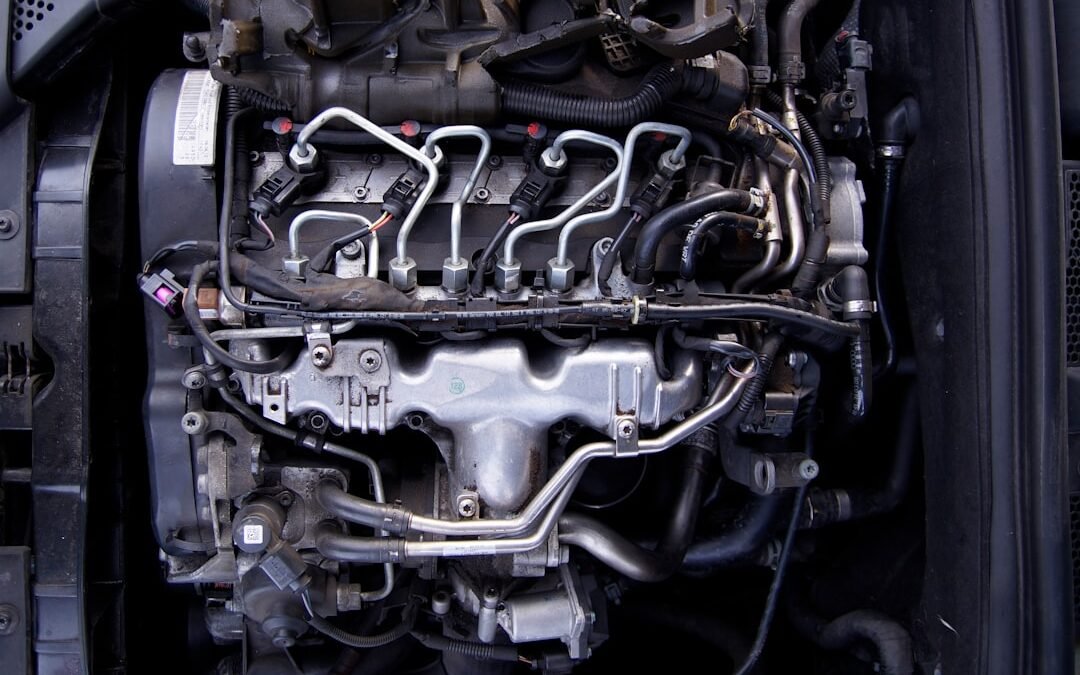
When you purchase a car, it’s not just a mode of transportation; it’s an investment. However, like all investments, cars lose value over time, a process known as depreciation. Understanding car insurance depreciation is crucial for any vehicle owner, as it directly impacts the amount you can claim in the event of an accident or theft.
Depreciation refers to the reduction in the car’s value due to factors such as age, wear and tear, and market demand. This decline in value is significant when it comes to insurance claims, as insurers typically base their payouts on the current market value of your vehicle at the time of the incident. As you drive your car off the lot, it begins to lose value almost immediately.
In fact, studies show that a new car can lose up to 20% of its value within the first year alone. This rapid depreciation continues over the years, albeit at a slower rate. Understanding how depreciation works can help you make informed decisions about your insurance coverage and potential claims.
It’s essential to keep track of your car’s value and understand how it correlates with your insurance policy to ensure you are adequately covered in case of unforeseen events.
Key Takeaways
- Car insurance depreciation reduces claim amounts based on the age and condition of car parts.
- Age and component-wise valuation help determine accurate depreciation for each car part.
- A car insurance depreciation calculator simplifies estimating the depreciated value of damaged parts.
- Understanding age-wise and component-wise valuations aids in better claim preparation.
- Knowing depreciation factors and tips can maximize your car insurance claim benefits.
Importance of Age and Component Wise Valuation
The age of your vehicle plays a pivotal role in determining its depreciation rate. Generally, older cars depreciate more slowly than newer models after the initial drop in value. This is because the most significant depreciation occurs within the first few years of ownership.
As a car ages, its value stabilizes, making it essential for you to understand how age affects your vehicle’s worth. Knowing this can help you make better decisions regarding when to sell or trade in your car, as well as how much coverage you should maintain on your insurance policy. Component-wise valuation is equally important when assessing your car’s overall worth.
Different parts of your vehicle depreciate at varying rates. For instance, the engine and transmission may retain their value longer than cosmetic components like paint or upholstery. By understanding which parts of your car are more valuable and which depreciate faster, you can better assess your vehicle’s total worth and make informed decisions about repairs or upgrades.
This knowledge can also be beneficial when negotiating with insurance companies during claims processes.
How to Use a Car Insurance Depreciation Calculator

Using a car insurance depreciation calculator can simplify the process of determining your vehicle’s current market value. These calculators take into account various factors such as the make and model of your car, its age, mileage, and overall condition to provide an estimated depreciation value. To use one effectively, start by gathering all relevant information about your vehicle, including its purchase price, any modifications made, and its current mileage.
Inputting this data into the calculator will yield a more accurate estimate of your car’s worth. Once you have the estimated depreciation value, you can use this information to adjust your insurance coverage accordingly. If your car has depreciated significantly since you purchased it, you may want to consider lowering your coverage limits or switching to a different policy that better reflects its current value.
Conversely, if you find that your vehicle retains more value than expected, it might be wise to maintain higher coverage limits to protect your investment adequately.
Age Wise Valuation of Car Components
When evaluating the age-wise valuation of car components, it’s essential to recognize that different parts have distinct lifespans and depreciation rates. For example, tires typically last between 25,000 to 50,000 miles depending on their quality and usage conditions. As they age and wear down, their value decreases significantly.
Similarly, batteries usually have a lifespan of around three to five years before they need replacement. Understanding these timelines can help you anticipate when certain components may need replacement and how that affects your car’s overall value. Moreover, age-wise valuation also extends to technology features within modern vehicles.
As cars become equipped with advanced technology such as infotainment systems and driver-assistance features, these components may depreciate at different rates compared to traditional mechanical parts. For instance, while a car’s engine may still hold significant value after several years, outdated technology may lose its appeal quickly as newer models with enhanced features enter the market. Keeping track of these trends can help you make informed decisions about upgrades or replacements that could enhance your vehicle’s resale value.
Component Wise Valuation of Car Parts
| Car Age (Years) | Engine Depreciation (%) | Body Depreciation (%) | Electrical Components Depreciation (%) | Tyres & Suspension Depreciation (%) | Overall Car Value Depreciation (%) |
|---|---|---|---|---|---|
| 0-1 | 10 | 8 | 7 | 6 | 8 |
| 1-2 | 20 | 15 | 14 | 12 | 16 |
| 2-3 | 30 | 25 | 22 | 20 | 28 |
| 3-4 | 40 | 35 | 30 | 28 | 38 |
| 4-5 | 50 | 45 | 40 | 38 | 48 |
| 5-6 | 60 | 55 | 50 | 48 | 58 |
| 6-7 | 70 | 65 | 60 | 58 | 68 |
| 7-8 | 75 | 70 | 65 | 63 | 73 |
| 8-9 | 80 | 75 | 70 | 68 | 78 |
| 9-10 | 85 | 80 | 75 | 73 | 83 |
Component-wise valuation involves assessing the worth of individual parts of your vehicle rather than looking at the car as a whole. This approach allows you to identify which components retain their value better than others and can be particularly useful when considering repairs or replacements. For instance, high-quality aftermarket parts may hold their value better than generic replacements due to brand reputation and performance reliability.
Additionally, certain components like engines and transmissions are often considered the heart of a vehicle and tend to retain more value over time compared to cosmetic parts like bumpers or interior upholstery. Understanding this distinction can guide you in making decisions about where to invest in repairs or upgrades that will yield a better return on investment when it comes time to sell or trade in your vehicle.
Factors Affecting Car Insurance Depreciation
Several factors influence how quickly and significantly your car depreciates over time. One primary factor is mileage; higher mileage typically leads to faster depreciation as it indicates more wear and tear on the vehicle. Additionally, the make and model of your car play a crucial role; luxury vehicles may depreciate faster than economy cars due to higher initial costs and market demand fluctuations.
Other factors include maintenance history and accident history. A well-maintained vehicle with no accidents will generally retain its value better than one that has been poorly maintained or involved in multiple accidents. Furthermore, external factors such as economic conditions and changes in consumer preferences can also impact depreciation rates.
For example, during economic downturns, demand for used cars may decrease, leading to lower resale values across the board.
Benefits of Knowing Depreciation Values
Understanding depreciation values offers numerous benefits for car owners. Firstly, it empowers you with knowledge that can aid in making informed decisions regarding insurance coverage. By knowing how much your vehicle has depreciated, you can adjust your policy limits accordingly to avoid overpaying for coverage that exceeds your car’s current worth.
Additionally, being aware of depreciation values can help you strategize when to sell or trade in your vehicle for maximum return on investment. If you know that your car is nearing a significant drop in value due to age or mileage milestones, you might choose to sell it sooner rather than later. This proactive approach can lead to better financial outcomes and ensure that you get the most out of your investment.
Tips for Maximizing Car Insurance Claims
To maximize your car insurance claims effectively, start by documenting everything related to your vehicle’s condition before an incident occurs. Take photographs of both the exterior and interior of your car regularly; this visual evidence can be invaluable during claims processing. Additionally, keep records of all maintenance work performed on the vehicle as this demonstrates responsible ownership and can positively influence claim outcomes.
When filing a claim, be thorough and honest about the details surrounding the incident. Provide all necessary documentation promptly and follow up with your insurance company regularly to ensure that your claim is being processed efficiently. If you’re unsure about any aspect of the claims process or feel that you’re not receiving fair treatment from your insurer, don’t hesitate to seek advice from professionals or consider consulting with an attorney who specializes in insurance claims.
By understanding car insurance depreciation and its various components, you position yourself for better financial outcomes regarding both insurance claims and overall vehicle management. Knowledge is power; by leveraging this information effectively, you can protect your investment and navigate the complexities of car ownership with confidence.
When considering the valuation of your car for insurance purposes, it’s essential to understand how depreciation affects your policy. A useful resource for further insights on insurance-related topics is the article on the digital transformation in the insurance sector, which discusses advancements like AI underwriting and paperless claims processes. You can read more about it here: