
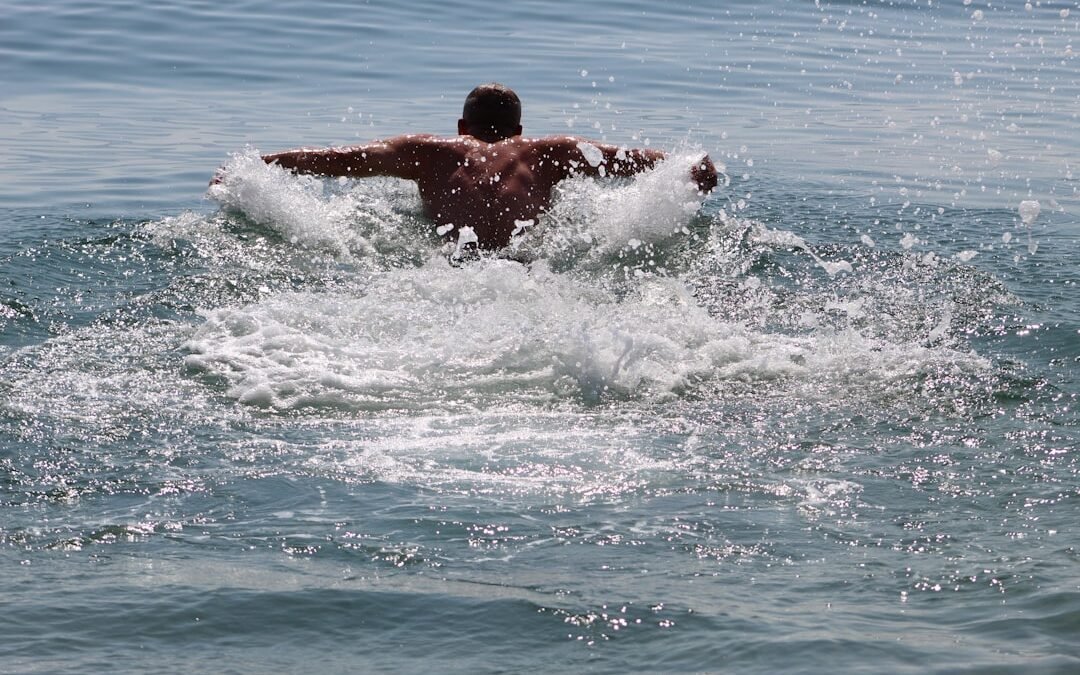
You stand at the precipice of exhilaration, the roar of the rapids or the whisper of the wind beckoning you forth. However, as you prepare to plunge into the heart of adventure in India, a crucial consideration often gets overlooked: the potential for mishap. Adventure sports, by their very nature, carry inherent risks. While the thrill is unparalleled, so too is the potential for injury. This is where adventure sports accident cover steps in, acting as your financial safety net when the unexpected happens on the slopes of the Himalayas or the churning waters of Rishikesh.
You might be an adrenaline junkie, a weekend warrior, or a seasoned explorer. Regardless of your experience level, the Indian landscape offers a vibrant tapestry of adventure activities. From the white-water fury of the Ganges to the snow-dusted peaks of Gulmarg, these experiences are designed to push your boundaries. Yet, the Indian insurance market, while developing, has specific provisions for adventure sports. Understanding these nuances is paramount to ensuring you are adequately protected.
The Growing Popularity of Adventure Sports in India
India is no longer just a destination for cultural tourism. The country’s diverse topography has naturally lent itself to the burgeoning adventure tourism sector. You can find yourself navigating rugged trails, scaling towering cliffs, or gliding down pristine mountain faces. This surge in popularity has, in turn, highlighted the need for specialized insurance.
Key Adventure Activities Gaining Traction
- White-Water Rafting: Rivers like Zanskar, Indus, and Ganges offer some of the most thrilling rafting experiences. The raw power of nature is a formidable force, and unexpected currents or submerged rocks can always pose a challenge.
- Skiing and Snowboarding: Destinations like Shimla, Manali, Gulmarg, and Auli have transformed into winter sports hubs. Falling, collisions, and unpredictable snow conditions are inherent risks.
- Trekking and Mountaineering: The Himalayas present a lifelong challenge for trekkers and mountaineers. Altitude sickness, rockfalls, and extreme weather are constant companions.
- Paragliding and Parasailing: Enjoying a bird’s-eye view of stunning landscapes comes with the risk of equipment malfunction or adverse wind conditions.
- Bungee Jumping and Skydiving: The ultimate leap of faith requires robust safety measures, but unforeseen circumstances can still lead to accidents.
Why Standard Health Insurance Might Not Be Enough
You might already possess a comprehensive health insurance policy. This is a good starting point, but it’s crucial to understand its limitations when it comes to adventure sports. Standard policies are typically designed for everyday illnesses and accidents. They often have explicit exclusions for activities deemed “high-risk” or “hazardous.”
Common Exclusions in Standard Health Policies
- Participation in Professional Sports: If you’re a professional athlete, your standard policy will likely not cover injuries sustained during competitions or training for professional events.
- Engagement in Hazardous Activities: This is where adventure sports usually fall. Policies often list activities like mountaineering, scuba diving, skydiving, and rafting as explicitly excluded unless a specific rider is purchased.
- Injuries Sustained Under the Influence of Alcohol or Drugs: This is a standard exclusion for almost all insurance policies, and adventure sports are no exception.
- Pre-existing Conditions: If you have a pre-existing medical condition that is aggravated by an adventure sport, your insurer may deny the claim.
The Need for Specialized Coverage
Adventure sports accident cover acts as a specialized rider or a standalone policy designed to fill these specific gaps. It’s akin to choosing the right tool for a specialized job. A hammer is great for nails, but you wouldn’t use it to paint a wall. Similarly, a standard health policy is not equipped to handle the unique risks associated with your chosen adventure.
When considering Adventure Sports Accident Cover in India, particularly for activities like rafting and skiing, it’s essential to understand the broader context of insurance in the country. A related article that delves into the complexities of life insurance and the resistance many face in adopting it can provide valuable insights. For more information, you can read the article here: The Life Insurance Debate: Why the Resistance. This resource highlights the importance of securing adequate coverage, especially for high-risk activities.
Rafting Protection: Navigating the Currents of Risk
Rafting in India is an experience that can range from a gentle float down a scenic river to a heart-pounding descent through roaring rapids. The allure lies in the thrill of the ride, the camaraderie of the crew, and the sheer power of nature. However, this exhilaration comes with its own set of potential hazards.
Understanding the Specific Risks of Rafting
You are venturing into an environment where the only constant is change. The river’s flow can shift rapidly, a submerged rock can appear without warning, or your raft could capsize. These are not everyday occurrences, and their consequences can be severe, ranging from minor abrasions to more serious injuries.
Common Rafting-Related Injuries and Incidents
- Capsizing and Drowning: This is the most severe risk. If you or your fellow rafters fall out of the raft, the strong currents can make it difficult to stay afloat or reach safety.
- Impact Injuries: Collisions with rocks, branches, or even other rafts can cause bruises, sprains, dislocations, and fractures.
- Hypothermia: Even in relatively warm weather, prolonged immersion in cold river water can lead to a dangerous drop in body temperature.
- Exhaustion and Dehydration: Paddling for extended periods, especially in challenging conditions, can lead to severe fatigue and dehydration, impairing judgment and increasing the risk of accidents.
- Injuries from Paddles and Equipment: Mishandling of paddles or equipment can result in cuts and bruises.
What Rafting Accident Cover Typically Includes
Rafting accident cover is designed to provide financial assistance for medical expenses and other related costs incurred due to an accident while rafting. It’s your insurance against the unpredictable nature of the river.
Key Benefits to Look For
- Medical Expense Reimbursement: This is the cornerstone of the cover. It will reimburse you for hospital bills, doctor’s fees, medication costs, and physiotherapy if you are injured.
- Emergency Evacuation and Repatriation: In remote rafting locations, getting you to a medical facility can be a significant challenge and expense. This benefit covers the cost of emergency medical transport.
- Accidental Death Benefit: In the unfortunate event of a fatality, this benefit provides a lump sum payment to your nominated beneficiary.
- Permanent Disability Cover: If an accident results in permanent disability, this cover provides a payout to help you cope with the long-term implications.
- Daily Hospital Cash Allowance: Some policies offer a daily cash benefit for each day you are hospitalized, which can help cover incidental expenses.
Choosing the Right Rafting Insurance Plan
When selecting a plan, you need to examine the sum insured, the policy tenure, and specific exclusions. Ensure the policy covers the specific river sections and difficulty levels you intend to raft. It’s like checking the depth of the water before you dive in.
Skiing Protection: Staying Safe on the Slopes
The allure of skiing in India, with its majestic snow-capped peaks, is undeniable. The crisp mountain air, the exhilarating rush of gliding down a slope, and the picturesque vistas create an unforgettable experience. However, the inherent nature of skiing means that falls, collisions, and unexpected hazards are commonplace.
Identifying the Risks Associated with Skiing
You are engaging in a sport that involves high speeds and slippery surfaces. Even with proper technique and safety gear, the slopes can be unforgiving. A moment’s lapse in concentration, a patch of ice, or an encounter with another skier can quickly turn a thrilling descent into a painful ordeal.
Common Skiing-Related Accidents and Injuries
- Falls and Sprains: These are the most frequent incidents, often resulting in ankle, knee, and wrist sprains.
- Fractures: Broken bones, particularly in the legs and arms, are a significant risk due to the high impact forces involved in falls.
- Head Injuries: Though less common than sprains or fractures, head injuries, including concussions, can occur as a result of falls or collisions. Wearing a helmet significantly reduces this risk.
- Collisions with Other Skiers or Obstacles: Unexpected encounters on the slope can lead to multiple injuries for all parties involved.
- Avalanches and Whiteouts: In backcountry skiing or areas prone to avalanches, these natural phenomena pose extreme and life-threatening risks.
How Skiing Accident Cover Safeguards You
Skiing accident cover is tailored to address the specific risks faced by skiers. It acts as a protective layer, shielding you from the financial burden of medical treatment and other associated costs.
Essential Inclusions in Skiing Insurance
- Medical Treatment Costs: This covers hospitalisation, surgical procedures, diagnostic tests, medication, and rehabilitation expenses arising from a skiing accident.
- Emergency Rescue and Medical Evacuation: If you are injured on a remote slope, the cost of getting you to the nearest medical facility can be substantial. This benefit ensures those costs are covered.
- Disability Benefits: In cases of temporary or permanent disability due to a skiing accident, the policy provides financial compensation.
- Accidental Death Payout: This lump sum payment to your family provides financial support in the tragic event of your death.
- Loss of Ski Equipment: Some policies may offer coverage for the loss or damage of your valuable ski equipment.
Tailoring Your Skiing Protection
Like choosing the right skis for the snow conditions, selecting the appropriate skiing insurance requires careful consideration. Pay attention to the coverage limits, the deductibles, and any geographical restrictions. Ensure the policy covers the specific ski resorts you plan to visit.
Key Components of Adventure Sports Accident Cover in India
Beyond the specific activities, understanding the broader architecture of adventure sports accident cover in India is crucial. These policies are not one-size-fits-all; they are built with various components designed to offer comprehensive protection.
Medical Expenses and Treatment
This is the most critical element. When an accident strikes, the immediate concern is receiving prompt and adequate medical attention. This part of the cover ensures that financial constraints do not impede your recovery.
Types of Medical Expenses Covered
- Hospitalization Charges: This includes room rent, nursing care, and other hospital services.
- Doctor’s Fees and Consultation Charges: The cost of medical expertise provided by doctors.
- Medication and Drugs: Prescription medicines and other necessary pharmaceuticals.
- Surgical Procedures: Costs associated with any surgical interventions required due to the injury.
- Diagnostic Tests: Expenses for X-rays, MRIs, CT scans, and other diagnostic procedures.
- Rehabilitation and Physiotherapy: For recovery and regaining mobility after the injury.
Emergency Evacuation and Repatriation
When you’re in a remote location, the distance to a medical facility can be a matter of life and death. The ability to be swiftly moved to a place where you can receive proper care is paramount.
The Importance of Evacuation Coverage
- Ambulance Services: Transport via road ambulance to the nearest hospital.
- Air Ambulance Services: For faster and more efficient transport, especially in difficult terrains or critical conditions, this is invaluable.
- Medical Repatriation: If you are injured abroad and need to be flown back to your home country for further treatment, this benefit covers those costs.
Accidental Death and Disability Benefits
The unfortunate reality of adventure sports is that severe accidents can have life-altering consequences. These benefits provide financial security for you and your loved ones.
Understanding Death and Disability Payouts
- Accidental Death Benefit: A predetermined sum paid to your nominee in case of your death due to the insured adventure sport.
- Permanent Total Disability: If an accident renders you permanently unable to perform any gainful occupation, a lump sum is paid.
- Permanent Partial Disability: For the permanent loss of a limb or organ, a specified percentage of the sum insured is paid, depending on the policy’s schedule.
Additional Coverages and Riders
Insurers often offer optional add-ons that can enhance your protection, much like adding specialized gear to your adventure kit.
Potential Additional Benefits
- Loss of Personal Belongings: Coverage for the loss or damage of essential items like mobile phones, cameras, or specific adventure gear.
- Trekking and Climbing Specific Coverage: Some policies might offer riders specifically for high-altitude trekking or mountaineering.
- Bungee Jumping and Skydiving Coverage: Explicit coverage for these high-risk activities, which might be excluded from general adventure sports policies.
When considering Adventure Sports Accident Cover in India, it’s essential to understand the various protections available for activities like rafting and skiing. These sports, while exhilarating, come with inherent risks that can lead to serious injuries. For parents looking to secure their family’s future, exploring options such as life insurance is equally important. You can read more about this in the article on securing your child’s future through life insurance for single parents in India, which offers valuable insights into financial planning. For more details, visit this article.
Choosing the Right Adventure Sports Accident Cover in India
| Aspect | Rafting Protection | Skiing Protection |
|---|---|---|
| Common Risks Covered | Drowning, fractures, head injuries, hypothermia | Fractures, sprains, head injuries, frostbite |
| Typical Coverage Amount | Up to 5 million INR | Up to 5 million INR |
| Accident Claim Frequency | Moderate (seasonal peak during monsoon) | Low to Moderate (winter season) |
| Policy Duration | 1 day to 1 year | 1 day to 1 year |
| Premium Range | 500 – 3000 INR | 700 – 3500 INR |
| Exclusions | Pre-existing conditions, reckless behavior, non-certified operators | Pre-existing conditions, reckless skiing, off-piste skiing |
| Additional Benefits | Emergency evacuation, hospital cash, repatriation | Emergency evacuation, hospital cash, repatriation |
| Popular Regions in India | Rishikesh, Manali, Coorg | Gulmarg, Auli, Manali |
Selecting an insurance policy is not just a transaction; it’s a strategic decision to protect yourself. In the context of adventure sports, this decision needs to be informed and meticulous.
Assessing Your Needs and Risks
Before you start comparing policies, take a moment to introspection. What activities will you be engaging in? How frequently will you participate? What are the inherent risks associated with these activities in the Indian context?
Factors to Consider
- Type of Adventure Activity: Clearly identify the sports you will be participating in (rafting, skiing, trekking, etc.).
- Frequency and Intensity: Are you a casual participant or a frequent adventurer? The intensity and frequency of your activities will influence the level of risk.
- Location of Adventure: Certain regions might pose higher risks due to terrain, weather, or accessibility of medical facilities.
- Your Existing Health Condition: Any pre-existing medical conditions could impact your eligibility or policy terms.
Decoding Policy Documents
Insurers present their offerings in policy documents that can sometimes read like a cryptic map. It’s your responsibility to decipher them accurately.
Key Clauses to Scrutinize
- Sum Insured: Ensure the coverage amount is sufficient to cover potential medical and emergency expenses.
- Exclusions: This is perhaps the most critical section. Understand exactly what is not covered. This includes specific activities, pre-existing conditions, or circumstances under which coverage is denied.
- Deductibles and Co-payments: Know how much you will have to pay out-of-pocket before the insurance kicks in.
- Policy Tenure: Ensure the policy duration aligns with your planned adventure period.
- Claim Settlement Process: Understand how to file a claim and the expected timeline for resolution.
Comparing Insurance Providers
The market in India offers various options for adventure sports insurance. A little research can go a long way.
Tips for Comparison
- Read Reviews and Testimonials: Look for feedback from other adventurers who have used similar insurance products.
- Check for Specialized Providers: Some insurers focus more on adventure sports coverage than others.
- Consult with an Insurance Advisor: A qualified advisor can help you navigate the complexities and find a suitable policy.
- Understand the Insurer’s Financial Stability: Ensure the company you choose is financially sound and capable of honoring claims.
When engaging in adventure sports like rafting and skiing in India, it’s essential to consider the importance of having adequate accident cover to protect against unforeseen incidents. A related topic that often comes up in discussions about insurance is the need for critical illness coverage, which can provide financial support in case of serious health issues. For more insights on this subject, you can read about it in this informative article on critical illness insurance in India. Understanding these insurance options can help adventurers make informed decisions and ensure their safety while enjoying thrilling activities.
The Importance of Proactive Planning
Adventure is about embracing the unknown, but financial preparedness should not be left to chance. Just as a climber checks their ropes and a skier refuels their energy reserves, you must proactively plan for the unexpected.
Adventure Sports Accident Cover as a Prudent Investment
Think of accident cover not as an expense, but as an investment in your peace of mind and financial security. The cost of a policy is a small price to pay compared to the potential medical bills, evacuation costs, or even long-term disability support you might need. It’s about enjoying the thrill without the looming shadow of financial ruin if something goes wrong.
Investing in Your Adventures
- Financial Security: It ensures that an accident does not derail your finances.
- Peace of Mind: Knowing you are covered allows you to focus on enjoying your adventure.
- Access to Quality Medical Care: It ensures you can receive the best possible medical treatment without financial worry.
Staying Informed and Prepared
The landscape of insurance and adventure sports is constantly evolving. Staying informed is key to making sound decisions.
Continuous Learning and Awareness
- Regularly Review Your Policy: As your adventure pursuits change, so too might your insurance needs.
- Stay Updated on Safety Guidelines: Familiarize yourself with the latest safety protocols for each sport.
- Communicate with Your Insurer: If you have any doubts or questions, don’t hesitate to reach out to your insurance provider.
Ultimately, your adventures in India should be about the exhilaration, the challenge, and the memories created. By understanding and securing adequate adventure sports accident cover, you are not diminishing the thrill; you are enhancing your ability to pursue it responsibly and without undue financial anxiety. It’s about ensuring that your epic tales of the mountains and rivers are stories of triumph, not of unforeseen financial hardship.
FAQs
What is Adventure Sports Accident Cover in India?
Adventure Sports Accident Cover in India is a specialized insurance policy designed to provide financial protection against injuries or accidents that occur while participating in adventure sports such as rafting and skiing. It typically covers medical expenses, hospitalization, and sometimes accidental death or disability related to these activities.
Does standard health insurance cover rafting and skiing accidents?
Standard health insurance policies in India often exclude coverage for injuries sustained during high-risk activities like rafting and skiing. Therefore, it is advisable to purchase a separate adventure sports accident cover to ensure adequate protection while engaging in these sports.
What types of expenses are covered under rafting and skiing protection policies?
These policies generally cover medical treatment costs, emergency evacuation, hospitalization, ambulance charges, and sometimes compensation for permanent disability or accidental death resulting from rafting or skiing accidents. Coverage specifics may vary depending on the insurer and the plan chosen.
Are there any age or health restrictions for purchasing adventure sports accident cover?
Most insurers have age limits, commonly ranging from 18 to 65 years, for purchasing adventure sports accident cover. Additionally, applicants may need to disclose their health status, and pre-existing medical conditions could affect eligibility or premium rates.
How can one purchase Adventure Sports Accident Cover for rafting and skiing in India?
Adventure sports accident cover can be purchased directly from insurance companies, through insurance brokers, or online platforms. It is important to compare different policies, check coverage details, exclusions, and claim procedures before making a purchase to ensure comprehensive protection.